'Vidhan Sabha uda diya': Bengaluru police arrest Bihar man over AI video
Source Entity
RAJIV KALKOD
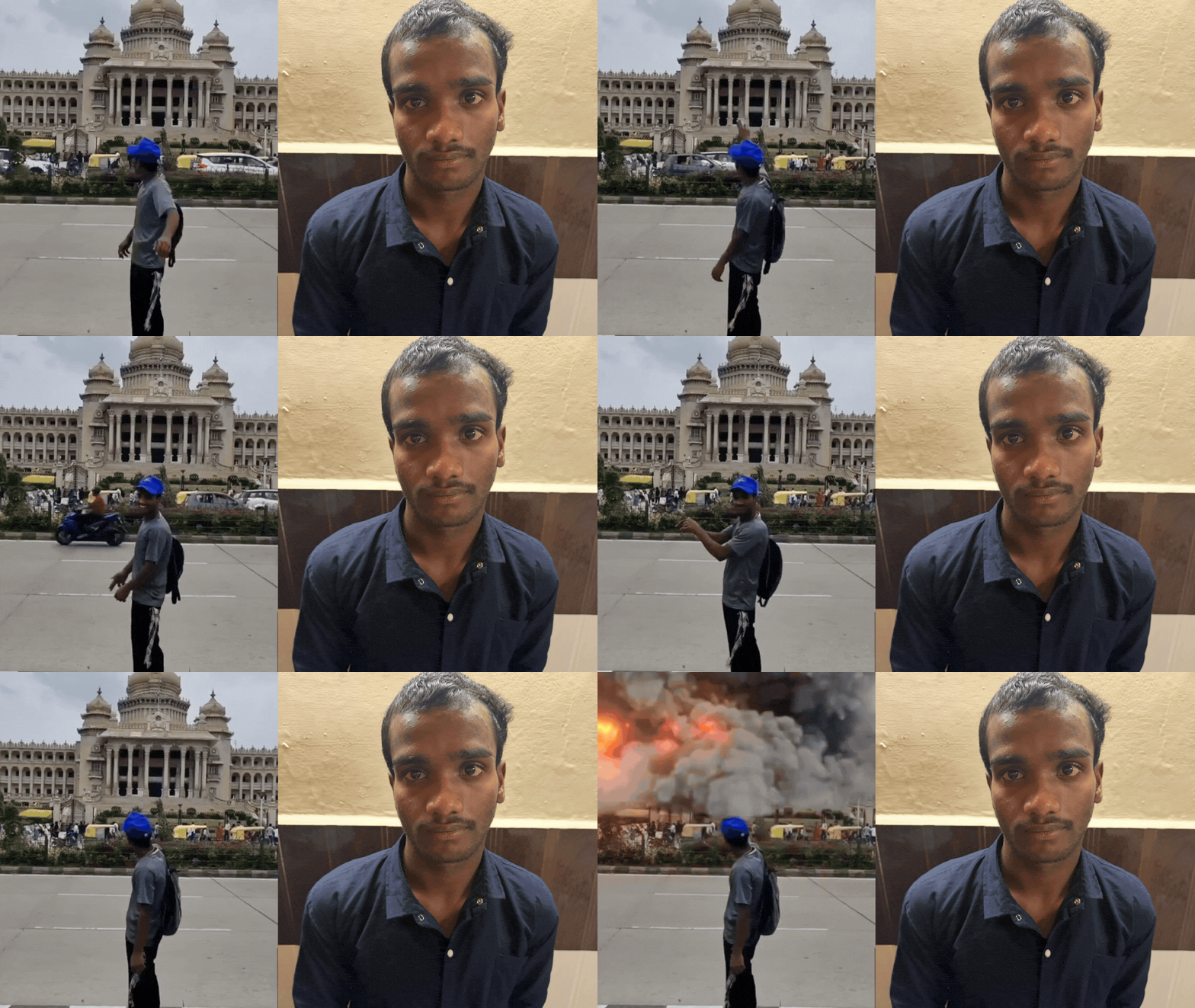
Bengaluru police have arrested 25-year-old Bihar native Hazrat Ali Shoiab for creating and sharing an AI-generated video depicting a bomb blast at the Vidhana Soudha. The fabricated footage, which went viral on Instagram, has triggered a security investigation into his motives.
The Intersection of AI and Digital Threat Perception
The recent arrest of 25-year-old Hazrat Ali Shoiab by the Bengaluru City Police marks a significant moment in the growing discourse surrounding the misuse of generative artificial intelligence. Shoiab, a migrant worker from the Araria district of Bihar employed as a daily-wage pipefitter, was taken into custody after posting an alarming, AI-generated video on his Instagram account, 'jnx_king_h_g.' The footage depicted a simulated bomb blast destroying the Vidhana Soudha, the historic and highly sensitive seat of the Karnataka government.
The Mechanics of the Digital Fabrication
The video, which surfaced and went viral around October 20, utilized sophisticated visual effects to superimpose an explosion onto real-world footage of the Vidhana Soudha exterior. The clip reportedly included a sequence where the creator mimicked a trigger pull, followed by the AI-rendered destruction of the landmark. By pairing these visuals with a caption claiming credit for the 'destruction' of the building, the suspect successfully bridged the gap between creative digital manipulation and perceived real-world threats, leading to immediate public alarm and subsequent police intervention.
Surveillance and Law Enforcement Response
The apprehension of the suspect highlights the efficacy of the Bengaluru Police’s digital surveillance protocols. Officials discovered the footage during routine monitoring of online platforms, enabling them to track the content back to the specific account holder. This proactive approach underscores a shift in law enforcement strategy, where digital intelligence is now as critical as physical patrol. The speed of the arrest—conducted shortly after the video began circulating—serves as a cautionary tale regarding the digital footprint left by users, even when attempting to act anonymously under pseudonyms.
Broader Implications for National Security
This incident raises profound concerns regarding the potential for 'deepfake' technology and AI-generated content to incite panic or be weaponized for psychological operations. While the suspect was seemingly acting on his own, the ability for a single individual to generate high-fidelity, alarming content necessitates a re-evaluation of how public institutions manage digital reputation and security threats. The Vidhana Soudha is not merely a government building; it is a symbol of Karnataka’s legislative authority, making it a high-profile target for such fabricated attacks.
The Future of AI Regulation and Public Safety
As AI tools become more accessible to the general public, the line between harmless digital experimentation and criminal activity becomes increasingly blurred. The case of Hazrat Ali Shoiab serves as a critical case study for policymakers and regulators. While the technology itself is neutral, its application in creating realistic threats against state infrastructure demands strict legal consequences. Moving forward, authorities will likely intensify their scrutiny of social media content that mimics violent acts, ensuring that the digital realm does not become a breeding ground for manufactured chaos that threatens public peace.
Multiple Citing Sources