'Been in Russia for 4 months': Bihar man questions being named in NEET protest FIR
Source Entity
TOI CITY DESK
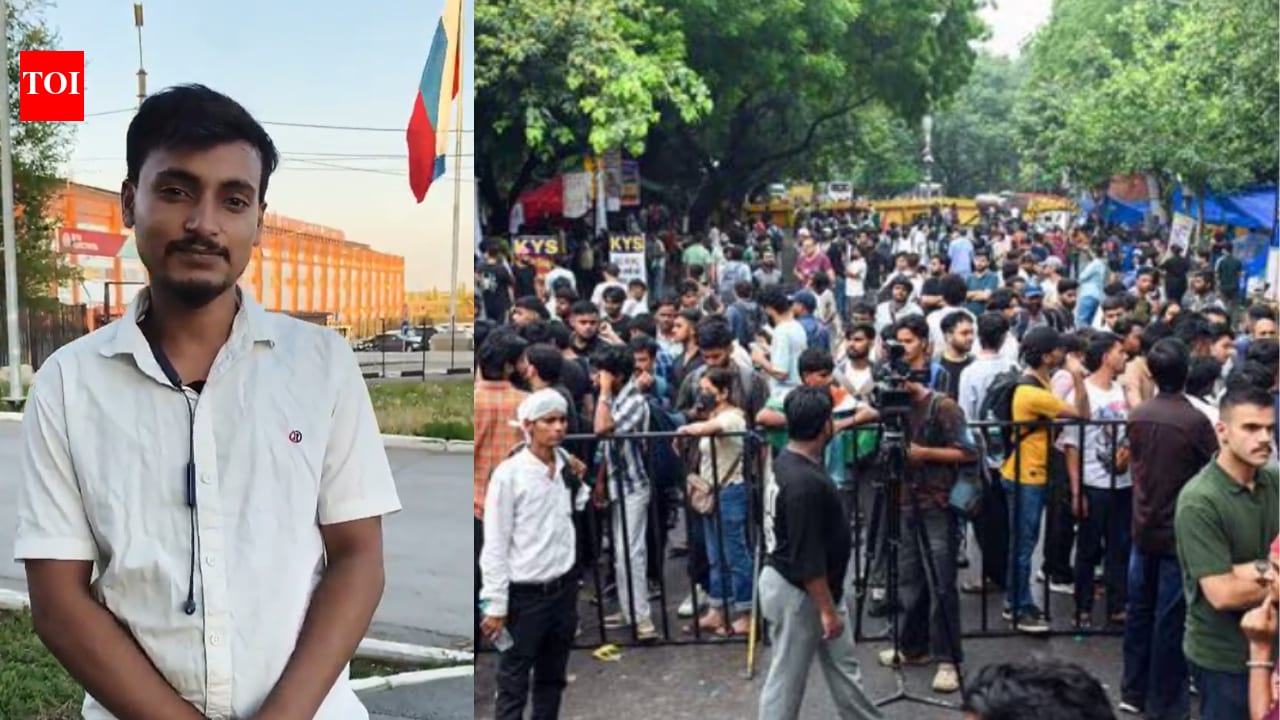
A Bihar man faces legal charges for NEET protests despite being in Russia, highlighting administrative errors. Meanwhile, the Bihar government has ordered the withdrawal of all cases, though bureaucratic delays continue to stall the release of detainees.
The NEET Protest Controversy: Administrative Errors and Legal Delays
A Case of Misidentification
The recent NEET paper leak protests in Bihar have brought to light significant administrative challenges, exemplified by the case of Mohammad Sadaqat. A resident of Kishanganj, Sadaqat has publicly contested an FIR filed against him, asserting that he could not have participated in the July 25 demonstrations in Bahadurganj because he has been residing in Russia for the past four months. His viral video testimony serves as a stark reminder of the potential for procedural errors during mass law enforcement actions, where individuals may be incorrectly identified or implicated in civil unrest.
Government Response and Policy Shift
In response to the widespread public outcry regarding the handling of the NEET protests, the Bihar state government took a decisive step on Monday by announcing the withdrawal of all cases linked to these demonstrations. This policy shift was intended to de-escalate tensions and provide relief to those who were detained during the state-wide protests. The government further assured the public that no coercive actions would be taken against these individuals moving forward, signaling an attempt to restore order and address the grievances of the student community and their families.
The Gap Between Policy and Execution
Despite the government’s clear directive to drop charges and release those detained, the transition from policy to implementation has been sluggish. Hundreds of parents, such as Nikhat Jabeen, have been observed waiting outside facilities like the Beur Central Jail in Patna for days. The persistence of these delays, even 48 hours after the official announcement, highlights a disconnect between executive orders and ground-level bureaucratic processes. Families remain in a state of uncertainty, waiting for the administrative machinery to process the release of their loved ones.
Broader Implications for Law Enforcement
Cases involving erroneous FIRs, such as that of Sadaqat, raise critical questions about the verification protocols utilized by local law enforcement during high-pressure situations. When police departments are tasked with maintaining order during mass protests, the pressure to identify participants can lead to hasty documentation. This situation underscores the necessity for more rigorous investigative standards to ensure that legal actions are based on verified presence and evidence, rather than circumstantial proximity or flawed identification.
The Path Forward
The Kishanganj Superintendent of Police has invited citizens with concerns to engage directly with the police department, suggesting an acknowledgment of the need for grievance redressal. As the state works to reconcile its legal actions with its recent promise of amnesty, the focus remains on the timely release of the remaining detainees. Moving forward, the government must ensure that its commitment to dropping cases is honored efficiently to prevent further distress among the affected families and to maintain public trust in the judicial and administrative systems.