Crypto giant Binance attempting to recover $6.3bn stolen in hack linked to North Korea
Source Entity
BBC News
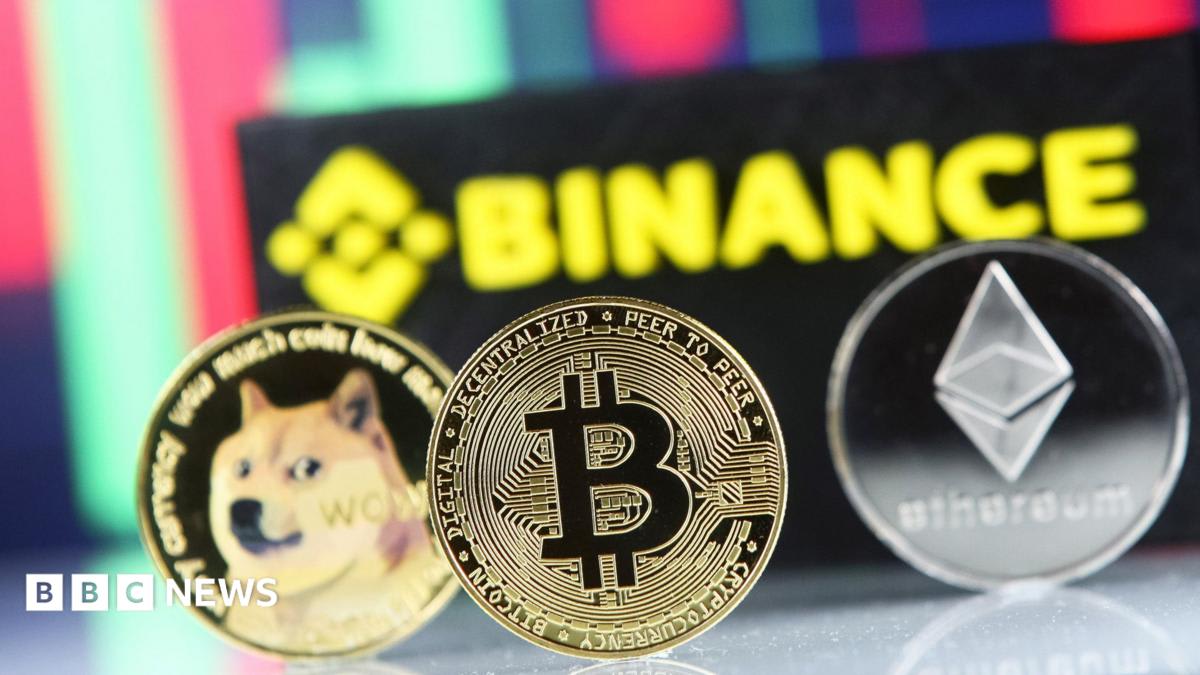
Binance has launched a recovery effort after a record-breaking $6.3 billion cyber-attack linked to North Korean hackers. Despite the scale of the heist, Bitcoin has shown resilience, with investors distinguishing between exchange security failures and the integrity of the underlying blockchain.
The $6.3 Billion Binance Hack: An Unprecedented Security Crisis
In a landmark event for the digital asset industry, Binance, the world's largest cryptocurrency exchange by daily trading volume, has fallen victim to the largest cyber-heist in history. The attack, which resulted in the unauthorized access of approximately $6.3 billion in digital assets, has sent shockwaves through global financial markets. While Binance initially suspected a localized compromise of an engineer’s laptop, subsequent investigations revealed a much broader and more sophisticated infiltration, now widely attributed by security firms like TRM Labs to North Korean state-sponsored hacking units.
The Mechanics of the Heist and Recovery Efforts
The complexity of the exploit highlights the persistent vulnerabilities inherent in centralized exchange infrastructure. Unlike decentralized protocols, centralized exchanges act as massive honeypots for malicious actors. In this instance, Binance has managed to freeze approximately $3 billion of the stolen assets, demonstrating the efficacy of modern on-chain surveillance and cooperation with global law enforcement agencies, including the US Secret Service. Despite these recovery efforts, the remaining $3.3 billion remains at large, posing a significant challenge to international financial security.
Market Resilience and the Bitcoin Distinction
Following the news, the broader cryptocurrency market experienced inevitable volatility. Bitcoin saw a temporary decline, dropping to a low of $76,320 before stabilizing above $77,000. However, market analysts have observed a critical psychological shift among investors: the market is successfully decoupling exchange security failures from the fundamental integrity of the Bitcoin network. As noted by industry experts, the hack was an isolated failure of Binance’s internal systems, not a flaw in the Bitcoin blockchain itself. This distinction has been instrumental in preventing a total market collapse.
Macroeconomic Headwinds and Liquidation Pressure
The impact of the Binance hack was significantly amplified by broader macroeconomic trends. The crypto market was already reeling from a wider tech-stock sell-off, spurred by disappointing Q4 earnings projections from major firms like Intel Corporation. This dual pressure resulted in over $1.5 billion in liquidations within a 24-hour window, testing the nerves of institutional and retail traders alike. The convergence of a record-breaking heist and pre-existing equity market jitters created a 'perfect storm' of volatility.
Future Trends and Security Implications
Looking ahead, this event is likely to trigger a paradigm shift in how centralized exchanges manage custody and security. The scale of this $6.3 billion breach—which eclipses the $1.5 billion Bybit hack of 2025—demonstrates that current security protocols for large-scale exchanges may be insufficient against state-level actors. We can expect increased regulatory scrutiny, particularly regarding how exchanges handle hot-wallet exposure and cross-border asset freezing.
Conclusion
While the Binance hack stands as a stark reminder of the persistent threats facing the crypto ecosystem, the relative stability of Bitcoin prices suggests a maturing market. As US federal agencies and private analytics firms continue their efforts to trace the stolen funds, the industry faces an inflection point. The ability of the market to absorb such a massive shock, while simultaneously contending with broader tech-sector downturns, indicates that confidence in digital assets remains robust, even as the demand for more rigorous institutional security measures becomes undeniable.
Multiple Citing Sources