BJP leaders feel delay in resolving CJP protest left a dent, but no political damage
Source Entity
Liz Mathew, Jatin Anand, Damini Nath
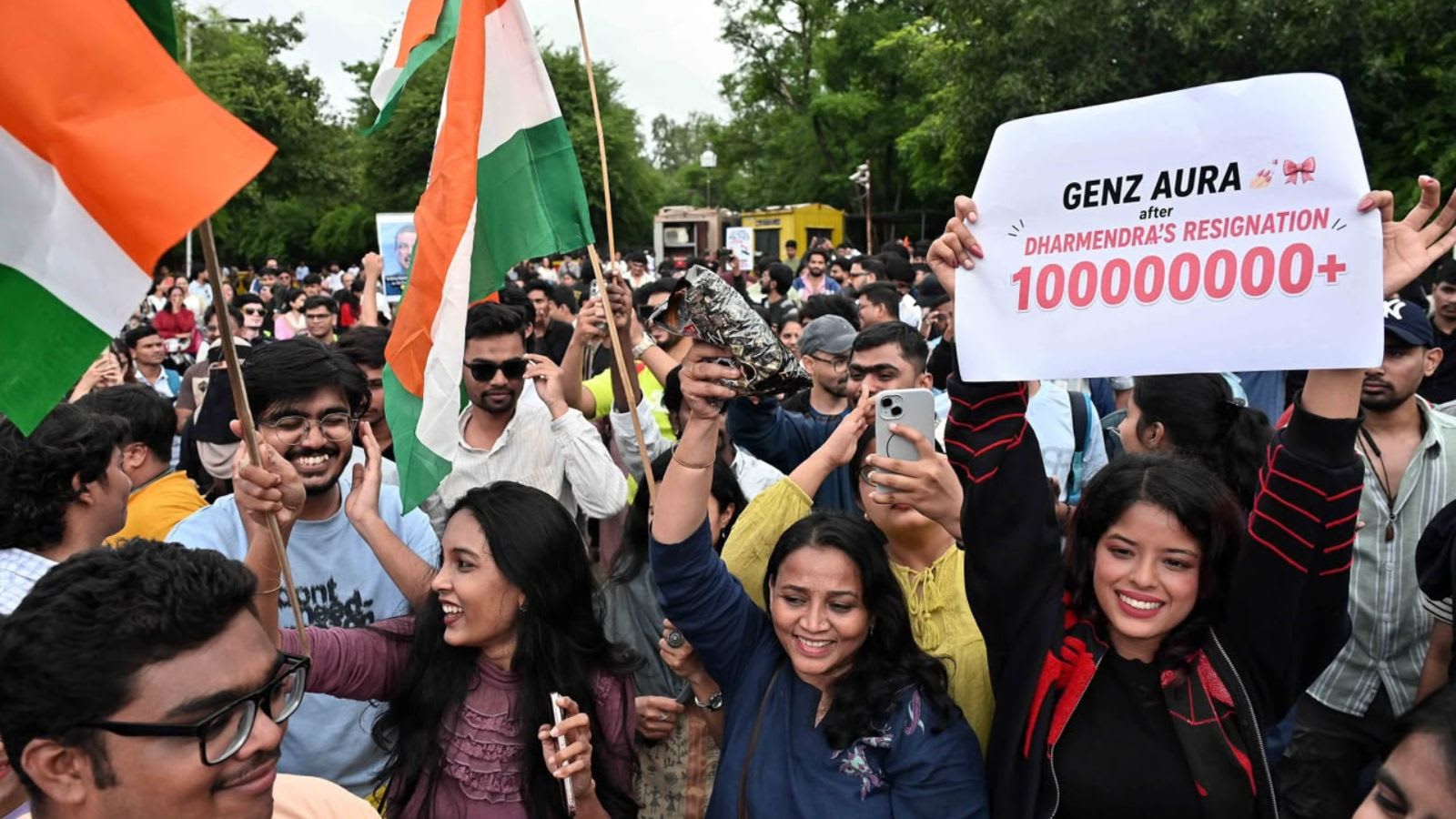
BJP leaders are conducting an internal review following a 36-day youth protest and the resignation of Dharmendra Pradhan. While acknowledging a reputational dent, the party remains confident that the opposition failed to exploit the situation politically.
Strategic Assessment: Post-Protest Realignment in the BJP
The recent conclusion of a 36-day youth protest, coupled with the resignation of Dharmendra Pradhan, has triggered an intensive internal stock-taking exercise within the Bharatiya Janata Party (BJP). Party insiders are now critically evaluating whether the administrative response to the unrest was sufficiently agile. A significant segment of the leadership contends that the eventual resolution—marked by Pradhan’s departure—could have been executed far earlier, potentially mitigating the public relations fallout that occurred during the prolonged standoff.
Impact on Governance and Public Perception
While the party acknowledges that the protracted nature of the protest left a visible dent on the image of Prime Minister Narendra Modi and the central government, there is a prevailing consensus regarding the lack of long-term political damage. The leadership attributes this resilience to the inability of the Opposition to effectively capitalize on the unrest. By failing to mobilize a broader narrative against the government during the crisis, the Opposition left a vacuum that allowed the BJP to retain its political footing despite the optics of the situation.
Resuming the Legislative Agenda
With the reconvening of Parliament on Monday, the mood among BJP MPs and ministers has shifted toward relief and tactical redirection. The party is now eager to pivot back to its core legislative priorities, viewing the return to business as a necessary signal that the government is back on track. This transition is critical for the administration, which intends to expedite several key reform bills that had been sidelined during the height of the protest.
Focus on Structural Reforms
Central to the government’s immediate post-protest agenda is the push for the pending Delimitation package. This legislative effort is seen as a cornerstone of the party’s long-term administrative vision. By prioritizing these reforms, the BJP aims to demonstrate that its policy-making mandate remains intact and that the internal restructuring following the protest has not disrupted the broader goal of systemic reform.
Lessons Learned and Future Outlook
Ultimately, the 'fiasco' has served as a sobering lesson for party strategists regarding the cost of delayed decision-making. While the absence of immediate electoral damage provides a cushion, the admission by party leaders that the event could have been avoided suggests a potential shift in how the government may handle future civil unrest. Moving forward, the BJP is likely to prioritize faster resolution mechanisms to protect the administration's image, ensuring that legislative agendas remain insulated from localized or sustained public protests.