Right-Wing Activist Clarifies "Would Have Shot Protesters, Women Love Rape" Remarks
Source Entity
NDTV News Search Records Found 1000
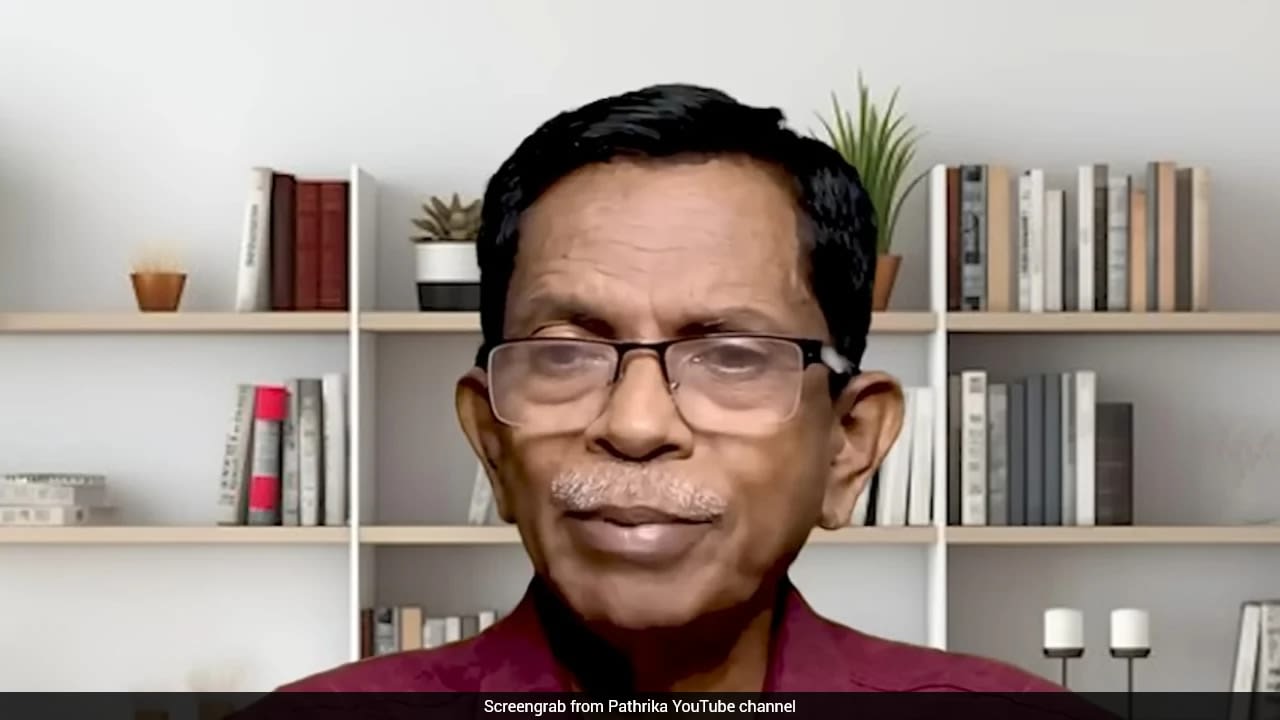
RSS ideologue TG Mohandas has addressed public backlash regarding controversial comments attributed to him. He maintains that the inflammatory nature of the statements is a result of mistranslation and a lack of nuance.
Analysis of Controversial Remarks by TG Mohandas
The Incident and Defensive Stance
Recent media reports have highlighted significant controversy surrounding TG Mohandas, an ideologue associated with the Rashtriya Swayamsevak Sangh (RSS). The activist has come under intense scrutiny for remarks concerning the use of force against protesters and insensitive commentary regarding sexual violence. In response to the growing public outcry, Mohandas has issued a clarification, asserting that his statements were misinterpreted due to linguistic barriers and the loss of nuance during translation into English.
Linguistic Nuance vs. Public Perception
At the heart of this controversy is the tension between intended meaning and public interpretation. Mohandas argues that the gravity of his remarks, as reported in English-language media, does not accurately reflect the context or the original intent of his words. This defense highlights a recurring challenge in political discourse, where sensitive or extremist rhetoric often faces varying interpretations based on cultural and linguistic frameworks. However, the severity of the alleged comments—specifically those involving calls for violence and trivializing sexual assault—poses a significant challenge to his defense.
Organizational Context and Implications
As an RSS ideologue, Mohandas operates within a highly influential, albeit controversial, ideological framework in India. The RSS is often at the center of national debate regarding its influence on governance, social values, and the right-wing political spectrum. When a representative of such an organization makes inflammatory remarks, it inevitably reflects on the ideological positioning of the group itself. This incident serves as a flashpoint for broader discussions about the responsibility of public figures and the potential for rhetoric to incite real-world harm.
The Broader Impact on Public Discourse
This episode underscores the increasing polarization in the digital age, where soundbites are amplified and dissected instantaneously. The debate over whether these remarks were merely 'lost in translation' or representative of a deeper ideological stance is indicative of a fractured public sphere. For observers, the incident raises questions about accountability in political communication and whether clarifying remarks can effectively mitigate the damage caused by initial statements that appear to endorse violence or misogyny.
Future Trends in Political Rhetoric
Looking forward, this event points toward a trend where political figures will increasingly rely on 'translation' and 'context' as primary defense mechanisms when faced with backlash. As digital media continues to dictate the speed of information, the ability to frame and re-frame controversial statements will become a critical skill for activists and politicians. However, the public’s growing intolerance for rhetoric that trivializes violence suggests that such clarifications may have diminishing returns in the long run.
Conclusion
In summary, the controversy surrounding TG Mohandas remains a polarizing issue. While he attributes the backlash to a failure of translation, the nature of the comments continues to draw sharp criticism. The incident serves as a potent reminder of the weight of words in the political arena and the ongoing struggle to define the boundaries of acceptable discourse in a diverse and highly connected society.
Verification Required?