Decoding Parliament's Rulebook: How MPs Push For Debates On Key Issues
Source Entity
NDTV News Search Records Found 1000
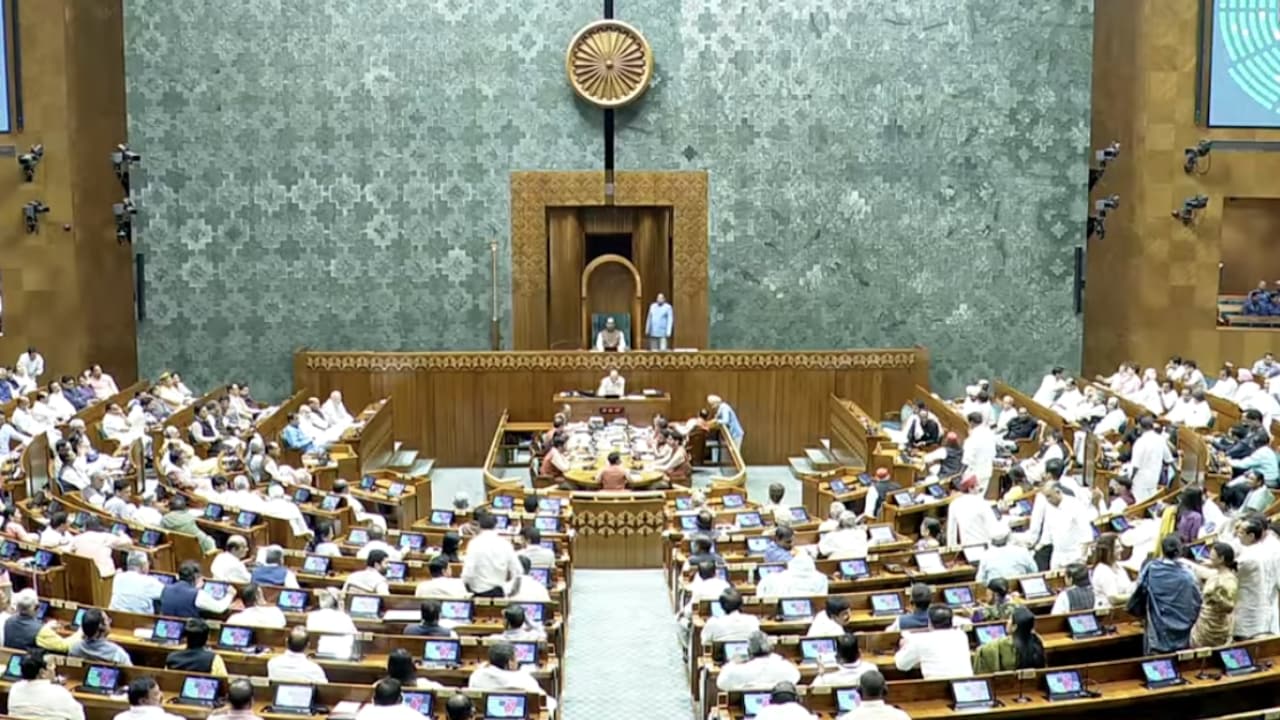
Parliamentary procedures offer various mechanisms for Members of Parliament to initiate debates on critical national issues. These established rules ensure that legislative bodies remain responsive to public concerns and facilitate formal oversight.
The Architecture of Parliamentary Discourse
At the heart of any functioning democracy lies the legislative assembly, where the rules of procedure serve as the bedrock for governance and accountability. Parliament is not merely a venue for passing bills; it is a structured environment governed by a comprehensive rulebook designed to empower Members of Parliament (MPs) to raise urgent matters. These rules provide the necessary framework for MPs to hold the executive branch accountable, ensuring that the voices of the electorate are represented within the hallowed halls of the legislature.
Mechanisms for Legislative Engagement
MPs utilize a variety of parliamentary tools to bring pressing issues to the floor. These range from formal motions and questions to zero-hour submissions, each governed by specific procedural requirements. By adhering to these protocols, legislators can ensure that their concerns move from the periphery of public interest to the center of formal debate. The systematic nature of these rules prevents legislative chaos while guaranteeing that every representative has a pathway to demand government responses on policy, economy, or social justice issues.
The Role of Procedural Rules in Oversight
Procedural rules are not merely bureaucratic hurdles; they are instruments of transparency. When an MP invokes a rule to trigger a debate, they are engaging in a vital check-and-balance function. This process forces the government to justify its actions or omissions, thereby promoting a culture of answerability. Without these well-defined pathways, the legislative process could easily become opaque, rendering the role of the opposition or backbenchers ineffective in challenging the status quo.
Historical Context and Democratic Evolution
Historically, the evolution of parliamentary rules has mirrored the expansion of democratic rights. As societies have become more complex, the demand for more robust debate mechanisms has grown. The current rules reflect centuries of trial and error, aimed at balancing the need for efficient government operation with the essential requirement for dissent and inquiry. This delicate balance is what prevents legislative stagnation and allows the political system to adapt to the shifting priorities of the populace.
Future Trends and Digital Integration
Looking ahead, the digitization of parliamentary proceedings is likely to further streamline how MPs raise issues. As transparency becomes a global standard, the integration of digital tracking for motions and debates will likely make the legislative process more accessible to the public. Future trends suggest that while the core rules will remain, the efficiency of their execution will be enhanced by technology, allowing for faster responses to national crises and a more dynamic engagement between the legislature and the executive.
Conclusion: The Vitality of Parliamentary Rules
In summary, the rulebook governing Parliament is the engine of democratic participation. By providing MPs with the tools to demand debate, these procedures ensure that the legislature remains a vibrant, responsive, and accountable institution. As long as these rules are upheld and utilized, the democratic process remains robust, capable of addressing the complex challenges that modern governance faces.
Verification Required?