Punjab debacles to base erosion, Amritpal Singh: Why BJP, Akalis keep alliance option open
Source Entity
Liz Mathew, Raakhi Jagga
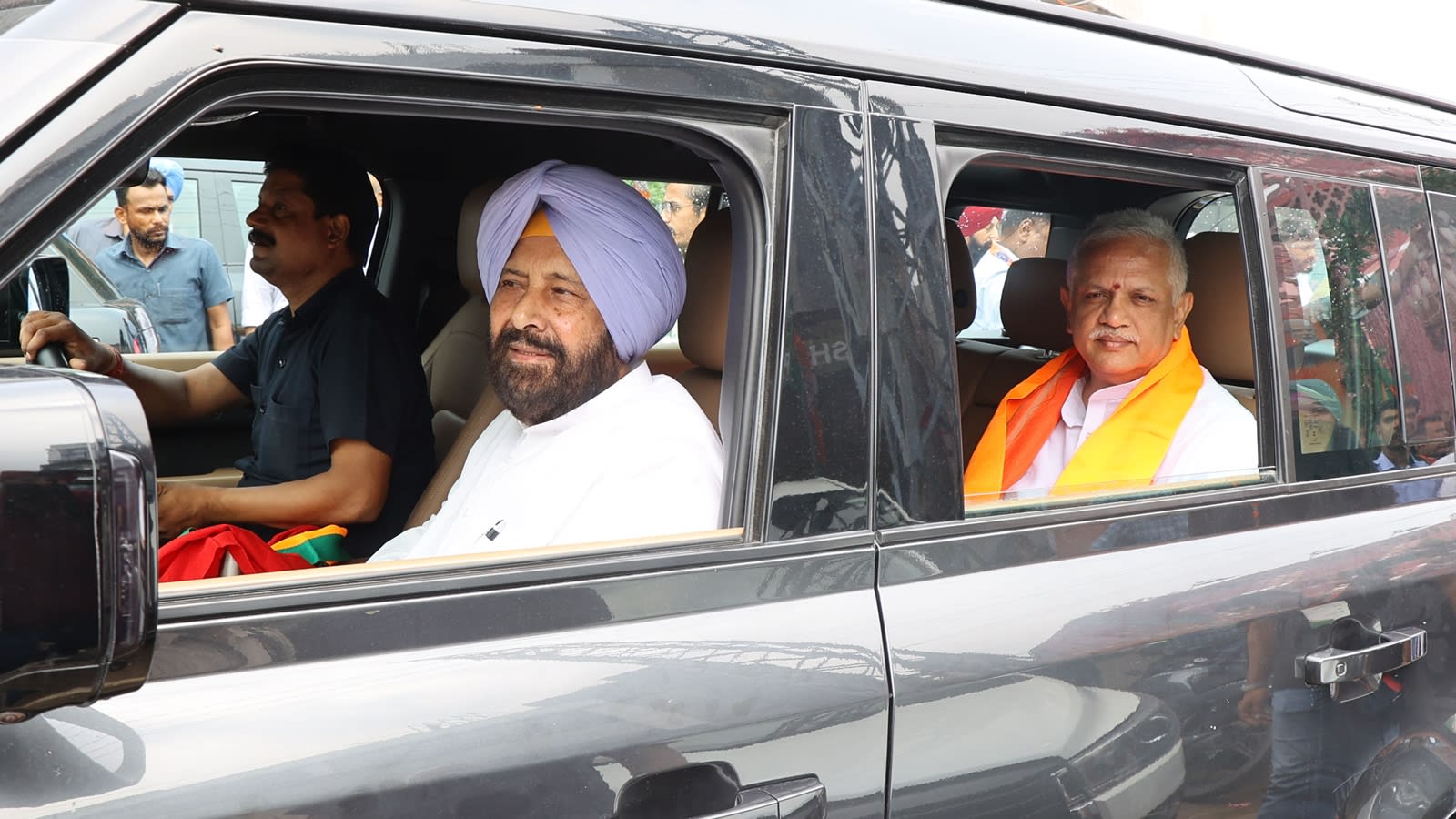
BJP leader B L Santhosh has announced plans for the party to contest all 117 Punjab assembly seats independently in 2027. The strategy focuses on strengthening booth-level presence while criticizing the AAP government for economic stagnation.
Strategic Shift in Punjab: The BJP's Independent Path
The recent announcement by BJP national general secretary (organisation) B L Santhosh signaling that the party intends to contest all 117 seats in the upcoming 2027 Punjab Assembly elections marks a significant tactical pivot. By explicitly ruling out an alliance, the BJP is attempting to shed its image as a junior partner—a role it historically held during its long-standing coalition with the Shiromani Akali Dal (SAD). This move reflects a broader national strategy where the BJP seeks to expand its independent footprint in states where it has traditionally struggled to gain a dominant foothold.
Targeting AAP and Economic Governance
During his visit to Ludhiana, Santhosh launched a sharp critique of the Aam Aadmi Party (AAP) administration. By characterizing the current state leadership as an extension of the failed Delhi model, the BJP is positioning itself as the primary alternative for voters concerned with governance. The specific focus on the industrial sector—citing large-scale migration of businesses—serves as a core pillar for the party's campaign narrative, aiming to contrast Punjab’s current economic climate with the perceived developmental successes in BJP-ruled states like Uttar Pradesh and Bihar.
Strengthening the Organizational Grassroots
Central to this electoral roadmap is the instruction to bolster the party at the booth level. In Indian electoral politics, the 'booth management' system is often the decider in tightly contested regions. By mandating a rigorous action plan for the state unit, the BJP is prioritizing long-term infrastructure over short-term political expediency. This organizational hardening is essential if the party hopes to transition from an urban-centric influence to a broader, state-wide electoral force capable of winning independent mandates.
Historical Context and Political Realignment
Historically, the BJP’s alliance with the Shiromani Akali Dal provided it with a stable, albeit limited, presence in Punjab. Following the breakdown of that alliance, the landscape has become highly fragmented. The BJP now finds itself in a competitive space against established regional players like the SAD and the Congress, as well as the incumbent AAP. The decision to go solo is an admission that the BJP views its own brand as the only vehicle for long-term growth, despite the significant challenges of establishing a rural base in a state where agricultural policy remains a sensitive issue.
Future Trends and Electoral Implications
Looking toward 2027, the BJP's strategy suggests a 'go-it-alone' approach that prioritizes ideological purity and party expansion over coalition stability. While the risk of vote-splitting remains, the party is clearly betting on a strategy of attrition. If the BJP can successfully capture the narrative regarding industrial stagnation and governance failures, it may force a realignment of the opposition. The coming years will be critical as the party attempts to convert its current organizational outreach into tangible voter shifts, signaling a new era of political competition in Punjab.