A bus, bickering Punjab Congress leaders, and Rahul Gandhi’s unity test
Source Entity
Man Aman Singh Chhina
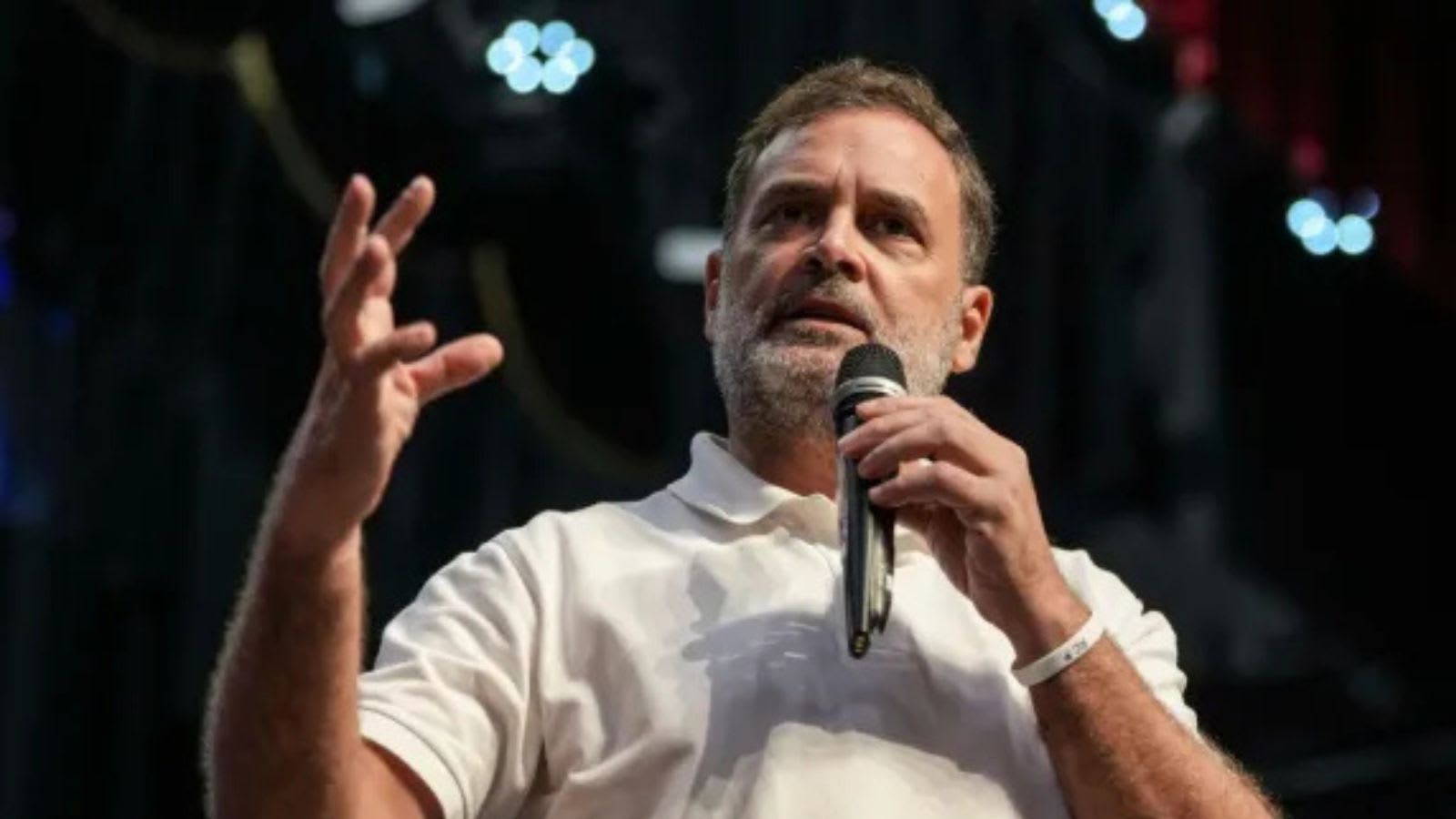
A parliamentary committee meeting on 'crimes against children' descended into chaos following a clash between BJP and Congress MPs. The dispute centered on police actions against NEET protesters, with the BJP countering by raising historical grievances.
Parliamentary Panel Meeting Erupts in Conflict Over NEET Protest Allegations
The Flashpoint: A Disputed Agenda
A parliamentary standing committee meeting focused on the sensitive topic of "crimes against children" spiraled into significant political discord this week. The tension originated when Congress MP Ajay Maken formally submitted a request to discuss the alleged police brutality, including the use of lathicharge and pellet guns, directed at students during the July 20 NEET protest march at Jantar Mantar. This move immediately polarized the committee, as opposition members argued that the presence of minors among the injured protesters necessitated an inquiry under the committee's specific mandate.
The Opposition's Stance on Student Safety
Congress leaders, supported by Priyanka Gandhi’s involvement in raising the issue, maintained that the physical safety of young protesters falls squarely within the purview of a committee tasked with reviewing crimes against children. By highlighting the alleged use of excessive force, the opposition aimed to frame the government’s response to the NEET agitation as a systemic failure to protect the rights of the youth. This argument sought to transform the committee meeting from a routine administrative session into a platform for accountability regarding state-sanctioned crowd control methods.
The BJP's Counter-Strategy and Historical Pivot
In a sharp rebuttal, BJP members vehemently opposed the inclusion of the Jantar Mantar incident, arguing that it was outside the pre-set agenda of the meeting. To deflect the narrative, the ruling party shifted the discourse toward historical grievances, specifically citing the 1984 anti-Sikh riots. By accusing Congress MP Deepender Hooda of allegedly glorifying convict Sajjan Kumar, the BJP sought to question the moral authority of the Congress party to raise human rights concerns, thereby neutralizing the opposition's momentum through a strategic redirection of the debate.
The Breakdown of Legislative Decorum
The confrontation eventually led to a heated exchange between Congress MP Jai Prakash and BJP representatives, illustrating the increasingly strained relationship between the treasury and opposition benches. The introduction of unrelated historical controversies into a discussion on current child welfare highlights a broader trend in Indian parliamentary politics, where procedural debates are frequently subsumed by ideological brinkmanship. This breakdown in decorum suggests that consensus-building within standing committees is becoming increasingly difficult as both sides prioritize partisan messaging.
Broader Implications for Parliamentary Oversight
This incident underscores the challenges inherent in parliamentary oversight when sensitive social issues intersect with national security and law enforcement narratives. When committees tasked with objective investigation are paralyzed by political squabbling, the efficacy of the legislative branch in holding the executive accountable is significantly diminished. The inability to address the NEET protest allegations within this forum suggests that such contentious matters may continue to manifest as external protests rather than internal legislative inquiries.
Future Trends in Committee Interactions
Looking ahead, it is probable that parliamentary standing committees will face continued friction as the opposition seeks to utilize these platforms to highlight perceived government overreach. If the trend of countering current allegations with historical references persists, the legislative process may become increasingly gridlocked. This dynamic suggests a future where committee reports may lack the bipartisan backing necessary for meaningful policy reform, potentially leading to a more polarized legislative environment in the coming sessions.
Multiple Citing Sources