"Stand Unchanged": Congress Won't Join Omar Abdullah's Govt As J&K Rift Remains
Source Entity
NDTV News Search Records Found 1000
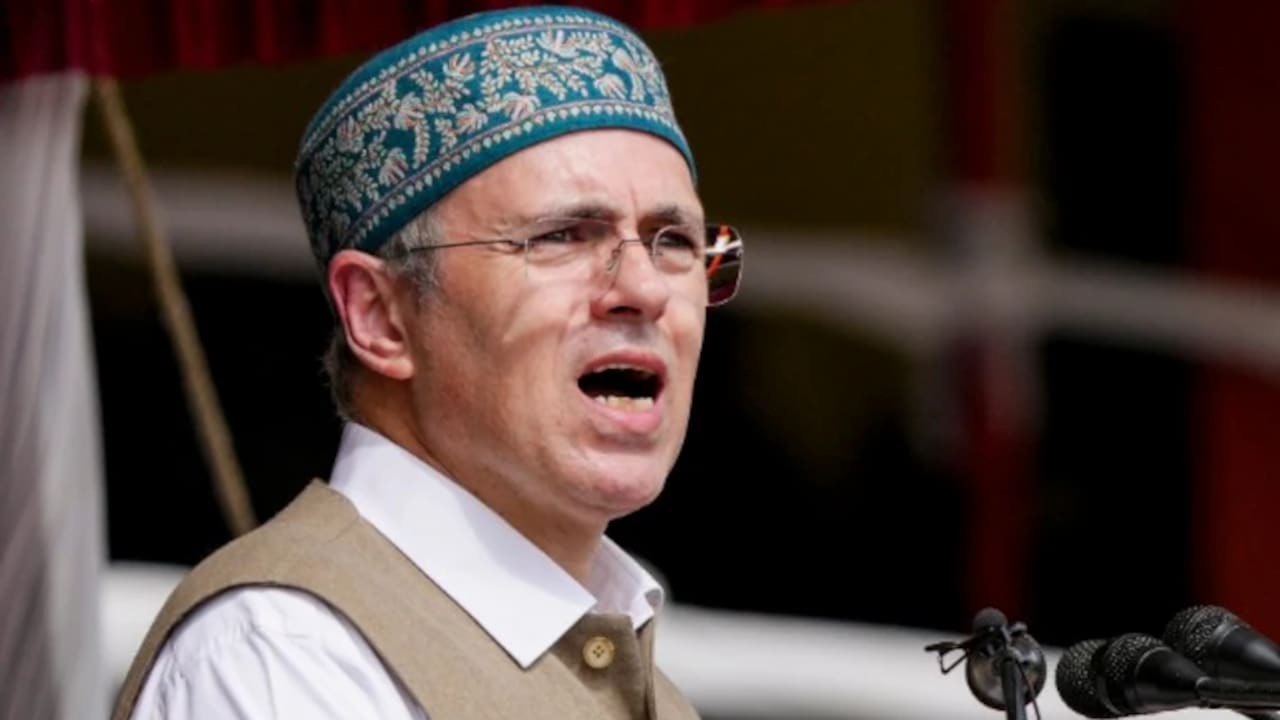
The Congress party has declined to join Omar Abdullah's government in Jammu and Kashmir, citing ongoing political disagreements. Consequently, the administration is currently operating with only five ministers despite having a capacity for nine.
Political Impasse in Jammu and Kashmir
The recent political developments in Jammu and Kashmir highlight a significant fracture in the coalition dynamics following the recent electoral cycle. Despite the National Conference (NC) securing a mandate to lead, the refusal of the Congress party to join Omar Abdullah’s government signals a deeper ideological and strategic rift. By opting to remain outside the cabinet, Congress has effectively distanced itself from the immediate governance responsibilities, leaving the NC to navigate the complexities of a newly formed administration in a sensitive region.
The Mechanics of a Slim Cabinet
Currently, Omar Abdullah is operating his administration with a cabinet of only five ministers. This is a notable departure from the permissible limit of nine ministers allowed under the constitutional framework for the Union Territory. Running a government with nearly half the authorized strength presents significant administrative hurdles. It places a disproportionate burden on the existing ministers, who must oversee multiple portfolios, potentially slowing the pace of governance and policy implementation during a critical period of transition.
Strategic Implications of the Rift
The decision by Congress to abstain from the government is not merely a matter of numbers; it reflects a calculated political strategy. By staying out of the cabinet, the party maintains a degree of autonomy, allowing it to act as a constructive critic or a flexible partner rather than being tied to the potential failures or unpopular decisions of a coalition government. This move likely stems from internal party deliberations regarding the long-term political cost of being associated with the NC's governance in a highly polarized environment.
Administrative Challenges and Governance
For Omar Abdullah, the task is to maintain stability while managing a truncated executive team. The gap between the current five-minister setup and the nine-minister ceiling creates a void in executive oversight. As the administration seeks to address the unique challenges of the Union Territory, the lack of a full cabinet may hinder the speed at which bureaucratic decisions are made. The ability to fill these vacancies remains a key indicator of whether the current rift is temporary or a permanent feature of this legislative term.
Future Outlook and Political Trajectory
Looking ahead, the stability of the Jammu and Kashmir government will depend on whether this standoff continues. If the rift persists, the National Conference may be forced to either govern with a lean cabinet for the foreseeable future or seek alternative support to reach the nine-minister threshold. The political climate in the region remains fluid, and the decision of the Congress party will serve as a bellwether for future alliances and the overall efficacy of the current legislative assembly in addressing the needs of the populace.
Verification Required?