They hid TET exam papers in their shoes for Rs 8,000. Now, their trial nears
Source Entity
Mohamed Thaver
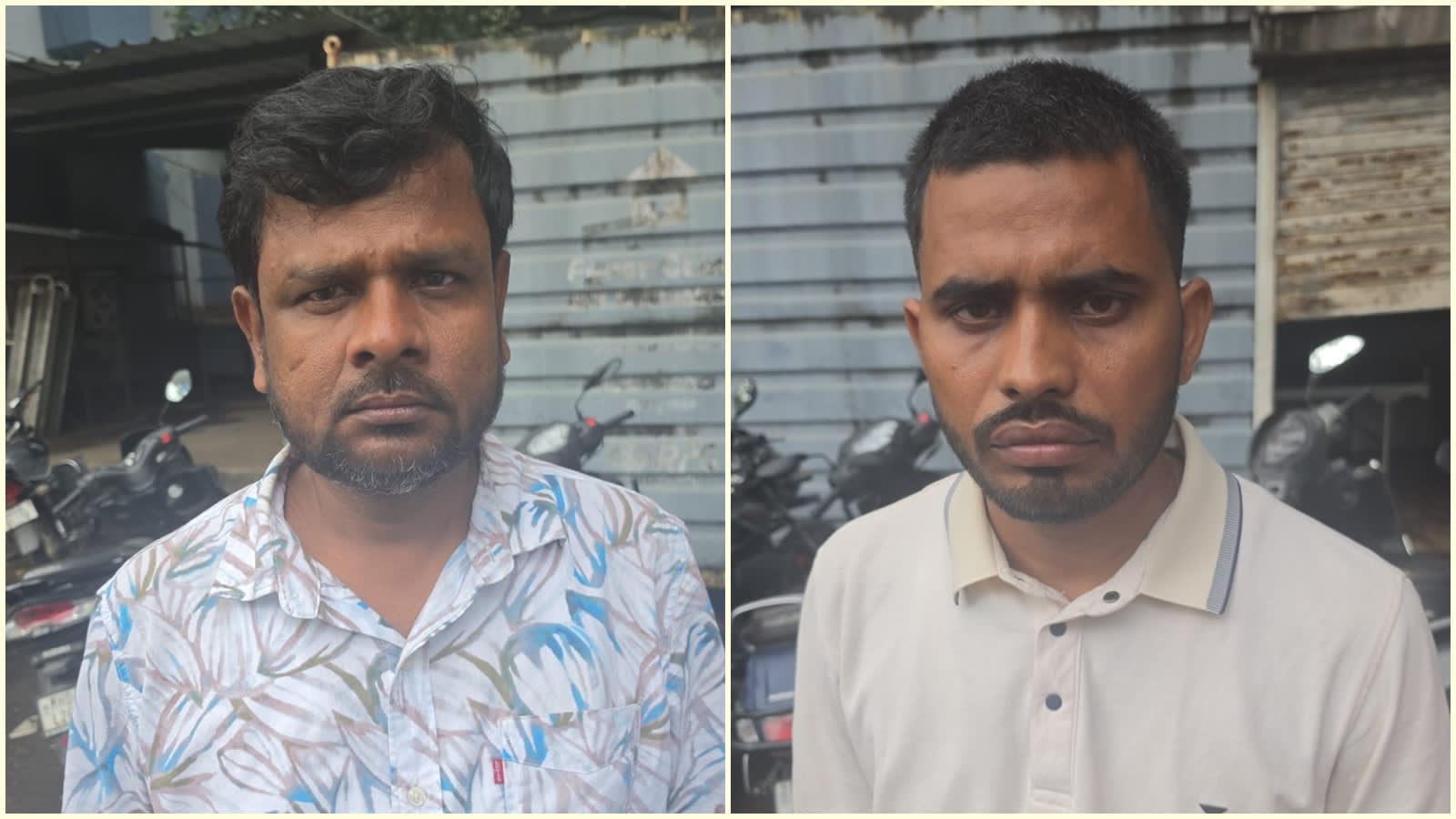
Maharashtra is grappling with a series of examination paper leaks, including the TET and Drug Inspector recruitment exams. The government is responding with fast-track courts and legal action, while political pressure mounts for accountability within the MPSC.
The Crisis of Credibility in Maharashtra’s Recruitment Exams
The integrity of public service recruitment in Maharashtra is facing a severe test following a string of high-profile examination paper leaks. Recent developments have highlighted systemic vulnerabilities, ranging from the Teacher Eligibility Test (TET) to the recruitment process for Drug Inspector, Group-B posts. These incidents have not only disrupted the career trajectories of thousands of aspirants but have also triggered significant political and administrative intervention.
The TET Scandal and Judicial Response
In the case of the TET paper leak, which forced the postponement of an exam originally scheduled for June 28, the Maharashtra government has taken a decisive step by approving the appointment of a Special Public Prosecutor. This move, initiated following a proposal by the Thane Police, underscores the gravity with which the state views examination malpractice. The trial will be conducted in a Bhiwandi court, specifically designated as a fast-track facility. This judicial strategy aligns with a broader national initiative announced by Prime Minister Narendra Modi, which mandates the establishment of special fast-track courts to address the surge in examination malpractices following the NEET controversy.
The Drug Inspector Recruitment Fallout
The Maharashtra Public Service Commission (MPSC) recently canceled the recruitment process for Drug Inspector positions after a police inquiry confirmed that the question paper was leaked prior to the March 22, 2026, screening exam. The process had reached an advanced stage, with 488 candidates having already completed interviews. The cancellation of this process, which had progressed to the publication of a provisional merit list, represents a significant blow to the MPSC’s administrative efficiency and highlights the deep-rooted nature of the corruption plaguing these recruitment cycles.
Political Pressure and Accountability
The fallout from the Drug Inspector leak has transcended administrative action, evolving into a heated political issue. MLA Rohit Pawar has publicly demanded that the MPSC Chairman and Secretary accept moral responsibility and resign, threatening a protest on September 1 if these demands are not met. Pawar’s involvement, which includes direct engagement with aspirants in Pune, highlights the growing frustration among the youth. He has specifically alleged the involvement of three officials and pointed to a private coaching class operator who has reportedly fled to Gujarat, indicating that these leaks are often the result of complex criminal networks.
Systemic Implications and Future Outlook
The frequency of these leaks suggests a profound failure in the security protocols governing high-stakes examinations. The use of innovative, albeit illicit, methods—such as the reported concealment of TET papers in footwear—demonstrates that the perpetrators are continuously evolving their tactics. As the state moves toward specialized legal proceedings, the efficacy of these fast-track courts will be critical in deterring future malpractice.
Conclusion
Moving forward, the Maharashtra government faces the dual challenge of restoring public trust and tightening the security architecture of its examination bodies. While the appointment of special prosecutors and the cancellation of compromised exams are necessary reactive measures, long-term stability will likely require a fundamental overhaul of how examination materials are prepared, transported, and secured. The upcoming protests and the outcomes of the impending trials will be pivotal in determining whether the state can successfully curb the influence of the organized rackets currently threatening the future of its civil service aspirants.