Let July 20 probe into Delhi protest kick off: Supreme Court on plea to widen remit
Source Entity
Latest News: Todays Latest News Headlines from India & World | Hindustan Times | Hindustan Times
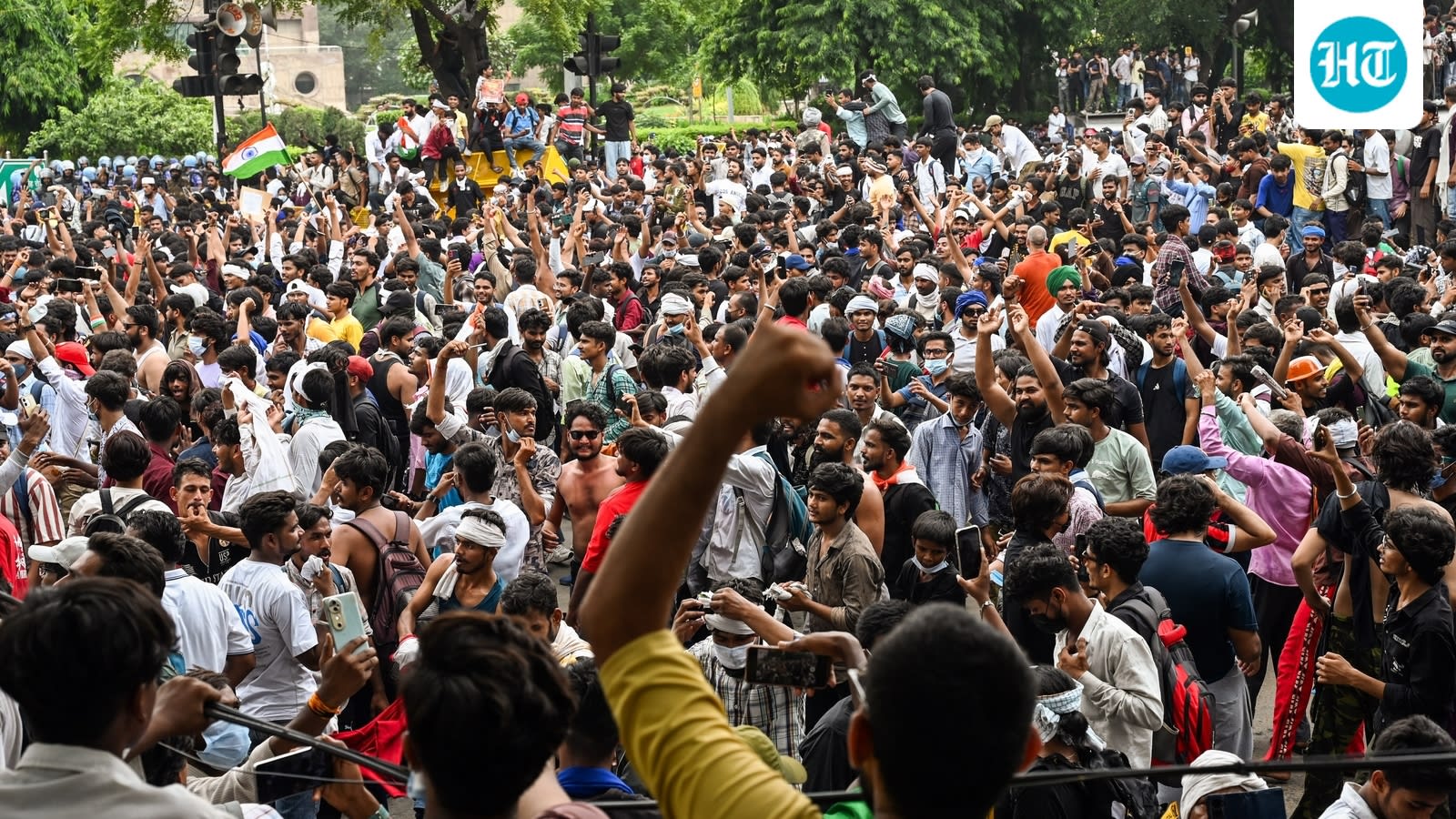
A parliamentary panel meeting on crimes against children descended into chaos as Congress and BJP MPs clashed over police actions during a NEET protest. The dispute centered on whether the alleged use of force against students fell within the committee's mandate.
Parliamentary Panel Meeting Erupts in Confrontation
A parliamentary standing committee meeting on home affairs, originally convened to discuss the critical issue of "crimes against children," descended into chaos on Tuesday. The disruption was triggered by Congress MP Ajay Maken, who introduced a letter demanding an immediate discussion regarding alleged police brutality—specifically the use of lathicharge and pellet guns—against students during a July 20 protest march at Jantar Mantar. This move sparked an immediate and heated confrontation between opposition and ruling party members.
The Debate Over Committee Mandate
The core of the disagreement lies in the interpretation of the committee's jurisdiction. Opposition MPs, including Priyanka Gandhi, argued that because minors were reportedly among those injured during the police crackdown on the NEET protest, the issue directly pertains to the committee's agenda concerning crimes against children. By framing the police action through the lens of child safety and human rights, the opposition sought to force a formal parliamentary review of the state's response to the student agitation.
Political Polarization and Tactical Counter-Moves
In response to the opposition's demand, BJP members vehemently opposed the inclusion of the protest incident, arguing that it was not part of the pre-set agenda. To counter the narrative, the BJP shifted the focus toward historical grievances, specifically bringing up the 1984 anti-Sikh riots. BJP member Tarun Chugh reportedly raised the issue of the "glorification" of convict Sajjan Kumar, accusing Congress MP Deepender Hooda of being laudatory toward him. This deflection was met with sharp rebukes from Congress members like Jai Prakash, who dismissed the historical reference as irrelevant to the current discourse on student safety.
Implications for Parliamentary Procedure
This incident highlights the growing difficulty in maintaining decorum and focus within parliamentary standing committees. When sensitive issues of public order intersect with partisan political agendas, the procedural integrity of these panels is often tested. The clash underscores a broader trend where legislative bodies are increasingly becoming arenas for ideological warfare rather than collaborative policy oversight, potentially stalling progress on essential legislative mandates.
Historical Context and Future Trends
Historically, parliamentary committees have served as neutral grounds for detailed policy scrutiny, away from the glare of the main floor. However, as political tensions rise, the tendency to use these forums for tactical political signaling is likely to increase. If committees continue to be paralyzed by such partisan stalemates, the effectiveness of the parliamentary oversight mechanism may be severely compromised, leading to a further decline in the legislative scrutiny of executive actions concerning public protests and civil liberties.
Conclusion
The confrontation at the home affairs committee meeting reflects the deepening divide in Indian politics. By prioritizing historical accusations over the immediate concerns regarding the treatment of students, both sides have demonstrated the volatility that currently defines parliamentary interactions. The incident leaves the committee's primary objective—addressing crimes against children—in a state of uncertainty as political maneuvering takes precedence over substantive policy discussion.
Multiple Citing Sources
Verification Required?