91% of names back in Bengal electoral roll as SIR tribunals dispose of handful of appeals
Source Entity
Ravik Bhattacharya, Atri Mitra
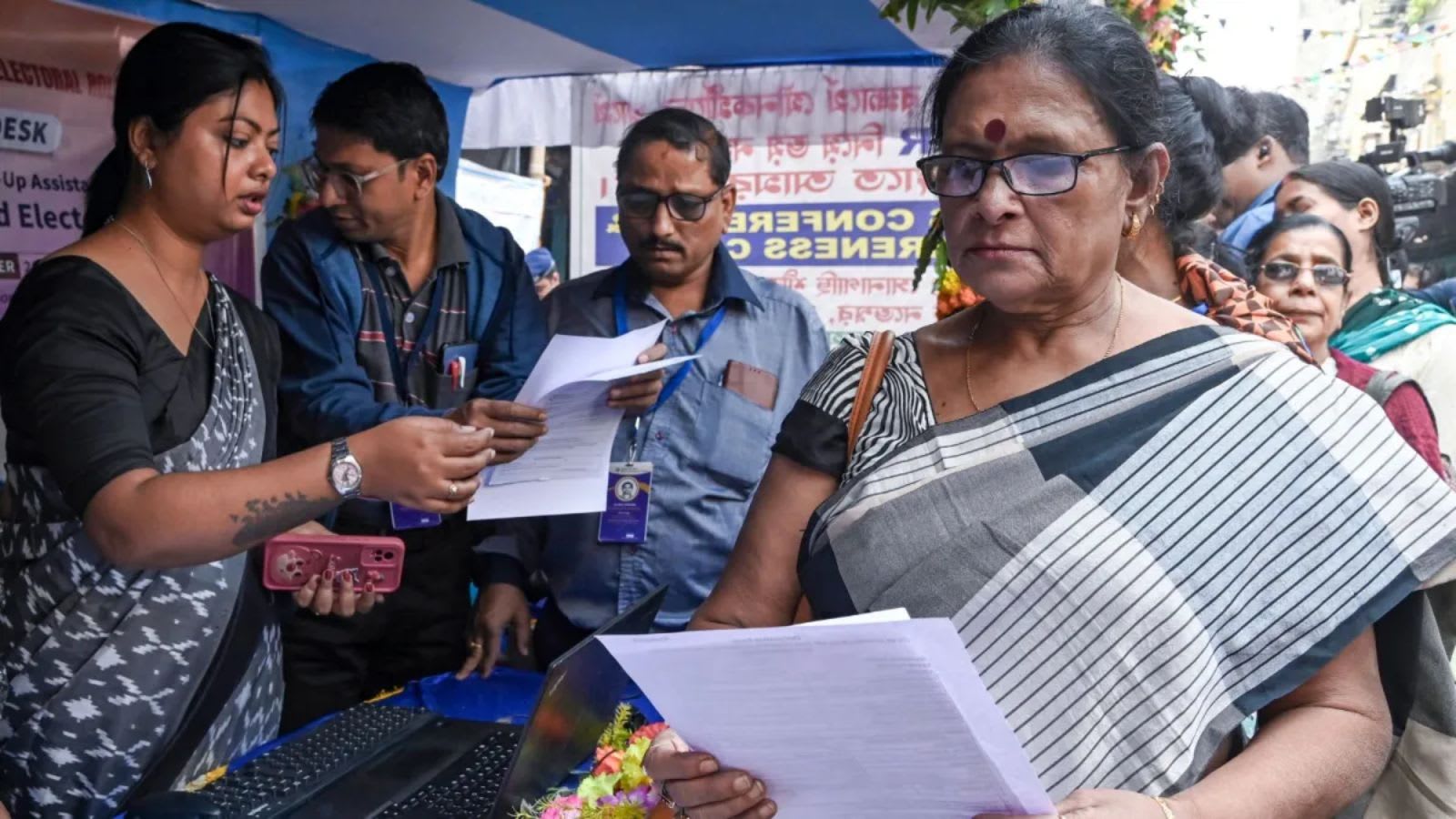
The Supreme Court has ordered the Election Commission to provide a detailed breakdown of appeals regarding West Bengal's electoral rolls. This follows concerns over a massive discrepancy between voter deletions and the number of appeals filed as municipal elections approach.
Judicial Scrutiny of West Bengal's Electoral Roll Revision
The Supreme Court of India, led by a three-judge Bench under Chief Justice of India Surya Kant, has intervened in the ongoing controversy surrounding the Special Intensive Revision (SIR) of electoral rolls in West Bengal. With municipal elections on the horizon, the court has demanded that the Election Commission of India (ECI) submit a comprehensive affidavit. This document must explicitly segregate the number of appeals seeking the inclusion of voters from those challenging the inclusion of others, as well as clarify the status of pending versus decided appeals.
The Scale of the Discrepancy
Data revealed through Right to Information (RTI) filings by Congress MP Isha Khan Chowdhury indicates a significant gap in the electoral process. Out of approximately 27 lakh names removed due to 'logical discrepancies,' only about 7 lakh individuals have filed appeals for inclusion. Conversely, senior advocate Gopal Sankaranarayanan informed the court that the total volume of appeals reached 38.1 lakh, with an overwhelming 31 lakh of those appeals specifically challenging the inclusion of names, alleging that the listed individuals were ineligible to vote in West Bengal.
Performance of Appellate Tribunals
The 19 appellate tribunals established five months ago have been tasked with rectifying these discrepancies. Reports indicate that these tribunals have disposed of 82,782 appeals thus far. Of these, 91 percent (75,443) resulted in names being added back to the rolls, while 8.86 percent (7,339) resulted in exclusions. Regional data highlights South 24 Parganas as a focal point, where 3,21,332 appeals were filed, resulting in 20,107 inclusions and 24 exclusions, reflecting the administrative intensity of the process in that district.
Challenges in Data Transparency
A primary concern for the Supreme Court is the lack of public clarity regarding these proceedings. The court noted that information remains sparse and speculative, which is problematic given the impending municipal polls. The high number of pending appeals—estimated at 37 lakh—has prompted the bench to consider whether the current structure of 19 tribunals is sufficient or if additional resources are required to ensure the integrity of the electoral process before the elections take place.
Broader Implications for Democracy
The situation underscores the delicate balance between maintaining an accurate voter registry and ensuring that no eligible citizen is disenfranchised. The 'logical discrepancy' deletions have sparked a political firestorm, with the judicial intervention serving as a critical mechanism to restore public trust. By requiring the ECI to provide granular data, the Supreme Court is attempting to mitigate the potential for electoral malpractice and ensure that the final voter lists are robust and transparent.
Future Trends and Judicial Oversight
As the Election Commission prepares its affidavit, the focus will remain on whether the current pace of tribunal disposals can keep up with the volume of challenges. Should the data reveal systemic issues, the Supreme Court may mandate further administrative reforms, potentially setting a precedent for how electoral roll revisions are handled in other states. The outcome of these proceedings will be a defining factor in the legitimacy of the upcoming West Bengal municipal elections.