Delhi Confidential: Fight, Forward
Source Entity
The Indian Express
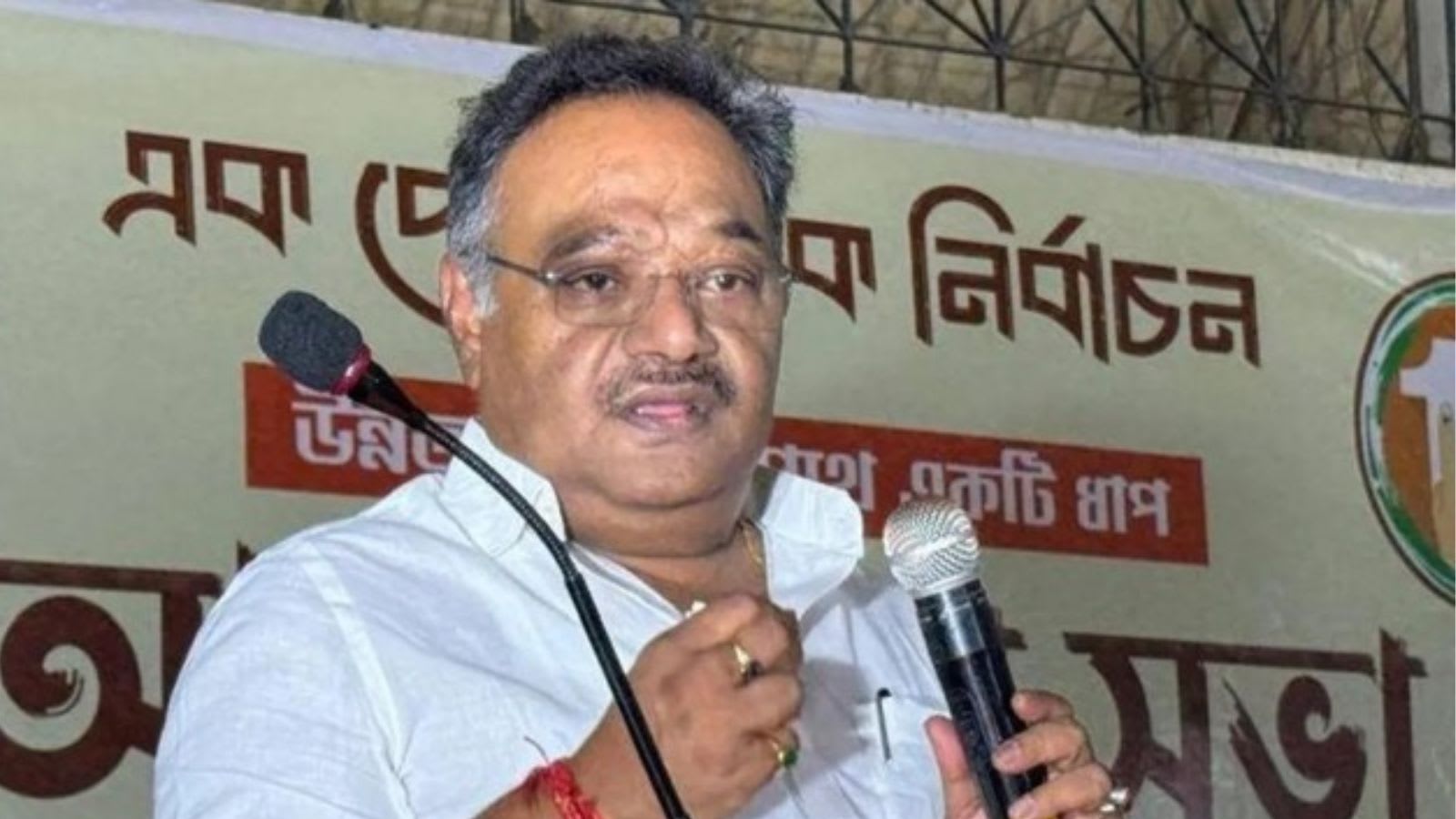
The BJP in West Bengal is pivoting its political strategy to target smaller parties and leveraging the historical legacy of Subhas Chandra Bose to consolidate its influence in the state.
The Strategic Pivot: BJP's New Offensive in West Bengal
The political landscape of West Bengal has long been defined by a fierce binary struggle between the Trinamool Congress (TMC) and the Bharatiya Janata Party (BJP). However, recent developments suggest a tactical shift in the BJP's approach. Following their intense confrontations with the TMC, the BJP appears to be broadening its target list to include smaller political entities. This shift, highlighted by the remarks of State BJP chief Shamik Bhattacharya, indicates a desire to not only challenge the ruling party but to systematically dismantle the influence of minor players who may hold key pockets of support or act as spoilers in tight electoral contests.
Leveraging Historical Symbolism
A critical component of this new strategy is the appropriation of regional icons to build cultural legitimacy. By invoking the name of Subhas Chandra Bose and his family, the BJP is attempting to weave itself into the fabric of Bengali nationalism. Netaji Subhas Chandra Bose remains one of the most revered figures in West Bengal, transcending party lines. For the BJP, claiming a connection to Netaji's legacy is a calculated move to counter the narrative that they are an 'outsider' party from the Hindi heartland, instead positioning themselves as the true custodians of Bengal's revolutionary spirit.
The Logic of Targeting Smaller Parties
The decision to pick fights with smaller parties is likely rooted in the mathematics of electoral consolidation. In a highly polarized environment, smaller parties often act as conduits for specific caste or community votes. By attacking these groups or attempting to absorb their base, the BJP aims to ensure that the anti-TMC vote is not fragmented. This 'Fight, Forward' approach suggests that the party believes the path to total dominance in the state requires the erasure of the 'third-way' politics that has occasionally surfaced in the region.
Broader Political Implications
This aggressive posture toward smaller parties could have significant implications for the democratic discourse in West Bengal. While it may consolidate the BJP's power, it also risks alienating voters who prefer a pluralistic political environment. The focus on historical figures like Bose, while strategically sound, often leads to 'history wars' where political parties clash over the interpretation of the past. This trend of politicizing historical legacies is becoming a hallmark of contemporary Indian politics, where identity and heritage are used as primary tools for mobilization.
Predicting Future Trends
Looking ahead, this strategy is likely to intensify as the next election cycle approaches. We can expect the BJP to further integrate regional cultural markers into their campaign rhetoric while simultaneously putting pressure on smaller alliances to either merge with them or face political obsolescence. The success of this strategy will depend on whether the electorate perceives this as a genuine attempt to represent Bengali interests or as a tactical maneuver to establish a hegemony similar to that seen in other BJP-led states.
Conclusion
In summary, the BJP's current trajectory in West Bengal represents a sophisticated evolution of its regional strategy. By shifting focus toward smaller parties and anchoring their narrative in the legacy of Subhas Chandra Bose, the party is attempting to move beyond being a mere opposition force to becoming a culturally rooted dominant power. This transition from a direct clash with the TMC to a broader systemic cleanup of the political field marks a new chapter in the state's volatile political history.