Nitin Gadkari: Ethanol a small share of sons' business, attacks motivated
Source Entity
DIPAK K DASH
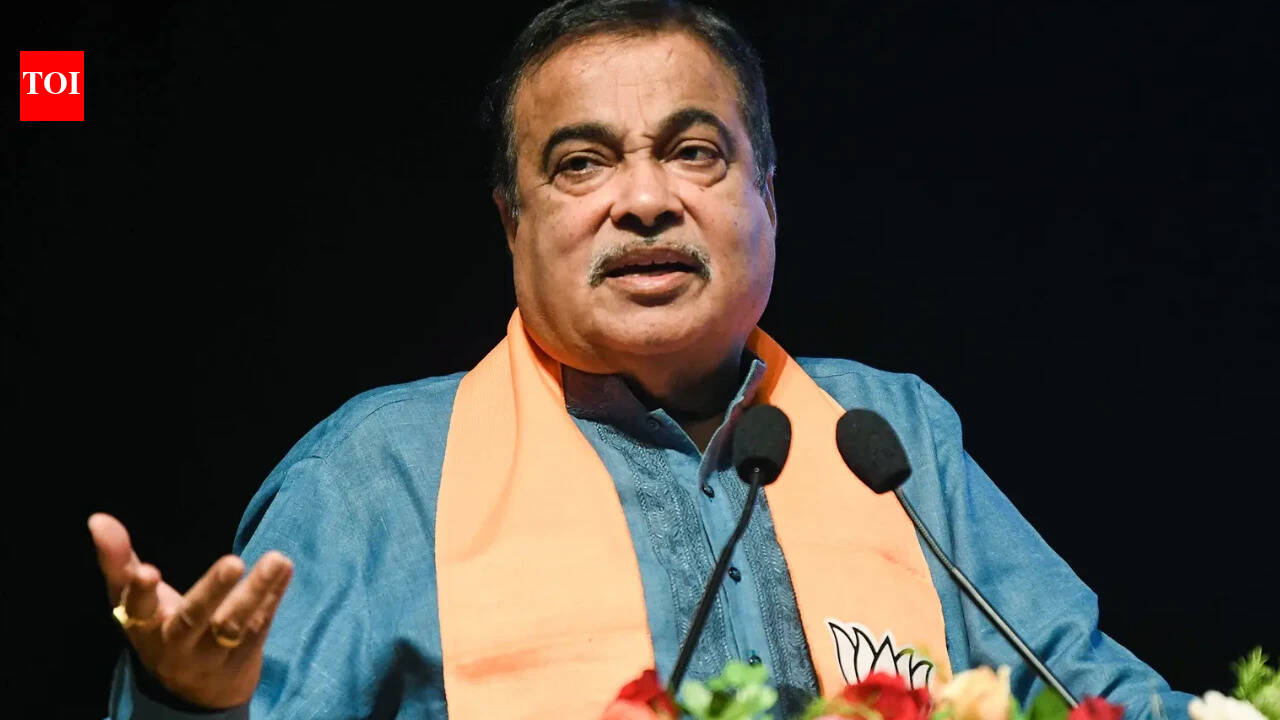
Union Minister Nitin Gadkari has dismissed allegations of a conflict of interest regarding India's ethanol blending program, asserting that his sons' business interests in the sector are minimal and that the accusations are politically motivated.
Analysis of Allegations Against Nitin Gadkari Regarding Ethanol Blending
Union Minister Nitin Gadkari, a prominent advocate for green energy and infrastructure in India, recently found himself at the center of a political storm involving allegations of a conflict of interest. The core of the controversy revolves around the ethanol blending program, a strategic national initiative aimed at reducing India's reliance on imported crude oil and lowering carbon emissions. Gadkari has categorically denied any personal gain from these policies, asserting that the accusations are devoid of substance and are driven by political motives rather than factual evidence.
Addressing the Conflict of Interest Claims
In his response, Minister Gadkari specifically addressed the claims that his family's business interests benefited from the government's push toward ethanol. By clarifying that his sons' business activities have only a "minimal share" in the ethanol sector, Gadkari seeks to decouple his policy decisions from personal financial gain. In the high-stakes environment of Indian politics, such allegations are often used to question the integrity of ministers overseeing high-budget sectoral shifts. Gadkari's defense emphasizes a transparency that challenges the opposition to provide concrete evidence of impropriety, framing the attacks as a calculated attempt to undermine his reputation.
The Strategic Vision for Alternative Fuels
To understand the context of this dispute, one must look at Gadkari's long-standing commitment to alternative fuels. For years, the minister has championed ethanol, flex-fuel engines, and green hydrogen as the primary solutions to India's twin challenges: crippling oil import bills and deteriorating urban air quality. By integrating ethanol—derived largely from sugarcane and agricultural waste—into the fuel supply, India aims to achieve greater strategic autonomy. This vision is not merely about energy but is an economic strategy to divert more income to the farming community, thereby strengthening the rural economy while simultaneously meeting international climate commitments.
Historical Context and Policy Continuity
Crucially, Gadkari highlighted that the ethanol blending program is not a recent invention of his own tenure but has historical backing from previous administrations. This point is vital for his defense, as it suggests that the trajectory of the policy was already established before he assumed his current influence over the sector. By pointing to the continuity of the program across different governments, Gadkari argues that the policy is a national imperative rather than a tailored benefit for a specific group of stakeholders. This historical framing shifts the narrative from a personal agenda to a long-term state objective.
Environmental and Economic Implications
Beyond the political friction, the ethanol blending program represents a massive shift in India's energy landscape. The transition toward E20 (20% ethanol blending) is expected to significantly reduce the carbon footprint of the transport sector. Furthermore, the program creates a secondary market for agricultural produce, reducing the volatility of sugar prices and providing farmers with a more stable income stream. Gadkari's insistence on these fuels reflects a broader global trend toward decarbonization, positioning India as a leader in the Global South for sustainable energy transitions.
Future Trends and Political Outlook
Looking forward, it is likely that the debate over the "ethanol economy" will continue as the government pushes for higher blending targets. As the infrastructure for flex-fuel vehicles expands, the economic stakes will grow, potentially leading to more scrutiny of the players involved in the supply chain. However, given the strategic importance of energy security, it is probable that the government will double down on its ethanol goals despite political headwinds. The resolution of these specific allegations will likely depend on the level of transparency provided regarding the business holdings of the stakeholders involved.
Conclusion
Minister Nitin Gadkari's denial of conflict of interest is a defensive move aimed at protecting a legacy of green energy advocacy. By framing the allegations as politically motivated and emphasizing the historical and national importance of ethanol blending, he attempts to steer the conversation back to the strategic benefits of alternative fuels. While political opponents may continue to scrutinize family business ties, the overarching momentum of India's transition toward sustainable fuel remains a critical pillar of its economic and environmental policy.