Dr. Mustafa Kamal, the Abdullah who rooted for J&K’s pre-1953 position, dies in Srinagar
Source Entity
India Latest News: Top National Headlines Today & Breaking News | The Hindu
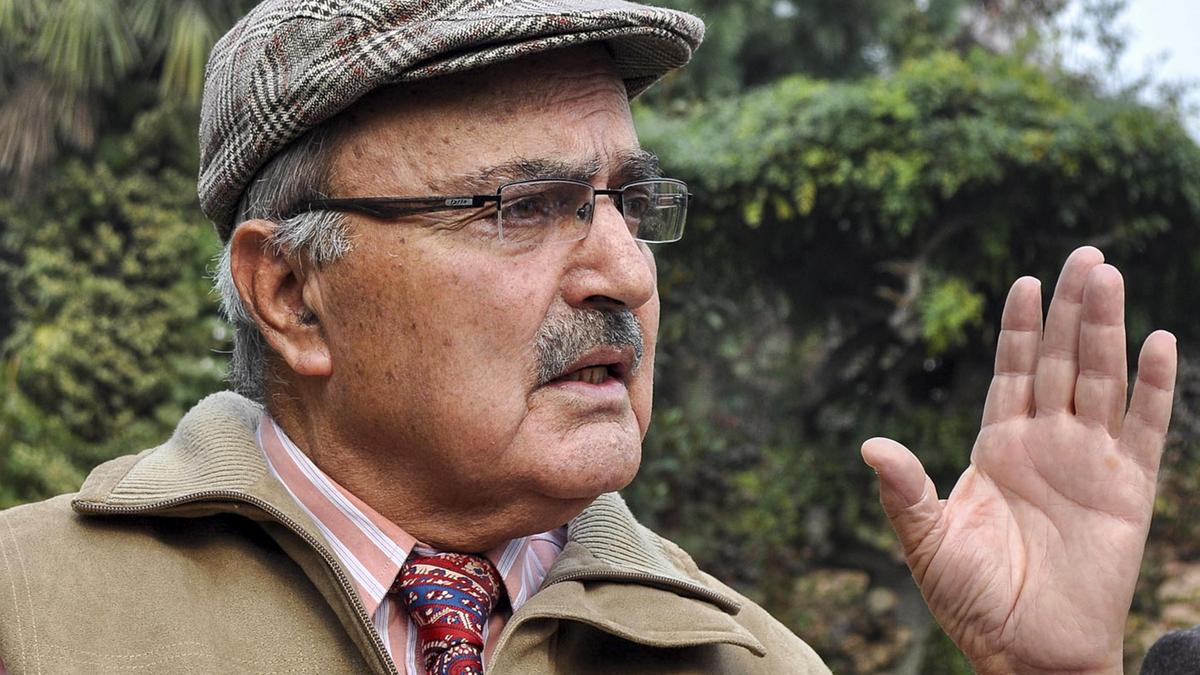
Dr. Mustafa Kamal, the son of the legendary Kashmiri leader Sheikh Muhammad Abdullah, has passed away in Srinagar. He was a steadfast advocate for the restoration of Jammu and Kashmir's pre-1953 political autonomy, frequently citing the arrest of his father by the Congress-led government as the pivotal moment that complicated the region's relationship with India.
The Passing of a Political Custodian: Dr. Mustafa Kamal
The death of Dr. Mustafa Kamal in Srinagar marks the end of an era for those who seek to understand the intricate and often volatile political history of Jammu and Kashmir. As the son of Sheikh Muhammad Abdullah, the founder of the National Conference and a towering figure in Kashmiri politics, Dr. Kamal was not merely a relative of a political dynasty but a custodian of a specific ideological vision for the region. His passing is a significant moment of reflection on the trajectory of J&K's relationship with the Indian Union, particularly regarding the concepts of autonomy and federalism.
The 1953 Watershed Moment
Central to Dr. Mustafa Kamal's political worldview was the events of 1953, a year he viewed as the genesis of the modern 'Kashmir issue.' In 1953, Sheikh Muhammad Abdullah, then the Prime Minister of Jammu and Kashmir, was arrested and imprisoned by the Government of India, led by the Congress party. Dr. Kamal consistently argued that this intervention was a betrayal of the trust and the specific agreements made during the accession of the state. By removing the most popular leader of the masses, the central government, in Kamal's view, shifted the political landscape from one of mutual agreement and autonomy to one of administrative imposition.
Understanding the 'Pre-1953 Position'
When Dr. Kamal rooted for J&K's 'pre-1953 position,' he was referring to a period where the state enjoyed a higher degree of internal sovereignty and a more distinct political identity. During this time, the National Conference, under Sheikh Abdullah, was driving a social and land reform agenda (such as 'Land to the Tiller') that was revolutionary for the region. The pre-1953 era represented a delicate balance where the state maintained its own internal governance structures with minimal interference from New Delhi, a balance that Dr. Kamal believed was shattered by the subsequent political upheavals and the installation of leaders more aligned with the center.
The Legacy of the Abdullah Family
Dr. Kamal's life was inextricably linked to the legacy of the National Conference. While other members of the Abdullah family navigated the complexities of power and governance in later decades, Dr. Kamal remained a vocal critic of the Congress party's historical role in the region. His insistence on blaming the Congress for 'embroiling' the Kashmir issue highlights a deep-seated belief that the conflict was not inevitable, but rather the result of specific political miscalculations and the suppression of indigenous leadership in the early 1950s.
Broader Implications for Regional Stability
Analyzing Dr. Kamal's stance provides critical context for the recurring themes of autonomy and self-determination in Jammu and Kashmir. His perspective underscores a narrative of grievance that has persisted for decades—the idea that the democratic will of the Kashmiri people was bypassed in 1953. This historical grievance has often served as a catalyst for subsequent political unrest, suggesting that the psychological scars of the 1953 arrest continued to influence political discourse well into the 21st century.
Contrast with Modern Political Realities
In the contemporary context, Dr. Kamal's advocacy for the pre-1953 status stands in stark contrast to the current administrative reality of Jammu and Kashmir. With the abrogation of Article 370 and the reorganization of the state into a Union Territory in 2019, the autonomy that Dr. Kamal spent his life defending has been fundamentally altered. His death occurs at a time when the 'pre-1953 position' he championed is further removed from the current legal and political framework, making his voice one of the last remaining links to that specific historical aspiration.
Conclusion
Dr. Mustafa Kamal's passing is more than the loss of a prominent citizen; it is the loss of a living archive of the early post-partition struggle for Kashmiri autonomy. By consistently pointing to the 1953 arrest of his father as the turning point, he reminded subsequent generations that the current political complexities of the region are rooted in specific historical events. His life serves as a testament to the enduring tension between central authority and regional autonomy in the Indian subcontinent.
Verification Required?