Meet Borneo’s tiny giant: All about the world’s smallest elephant
Source Entity
The Indian Express
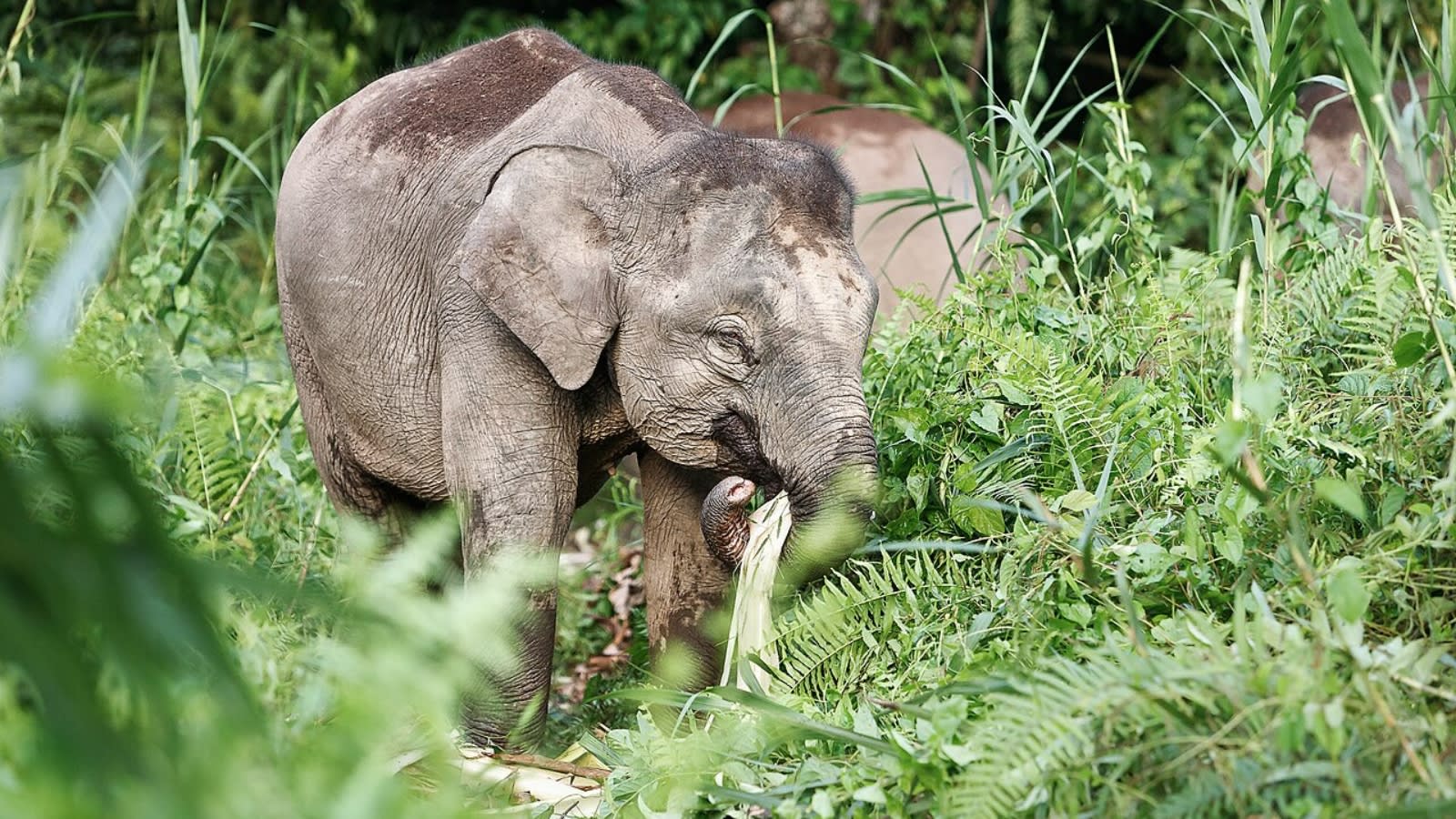
The Bornean pygmy elephant is the world's smallest elephant subspecies, currently classified as Endangered by the IUCN. Found primarily in Sabah, Malaysia, this unique mammal faces significant conservation challenges despite its status as Borneo's largest land animal.
The Unique Status of the Bornean Pygmy Elephant
When envisioning the elephant, the mind typically gravitates toward the iconic, massive figures of the African savanna or the traditional Asian forests. However, the island of Borneo is home to a distinct biological anomaly: the Bornean elephant, or Elephas maximus borneensis. As the smallest living elephant subspecies, these creatures represent a fascinating divergence in evolutionary biology, maintaining the characteristic intelligence and social structure of their larger cousins while occupying a specialized niche in their island ecosystem.
Scientific Classification and Physicality
Scientifically categorized as a subspecies of the Asian elephant, the Bornean pygmy elephant is defined by its diminutive stature. Despite being the smallest of its kind, it holds the title of the largest land mammal on the island of Borneo. This physical adaptation is a testament to the concept of island dwarfism, where isolated populations evolve smaller body sizes due to limited resources and unique environmental pressures. Their presence in the dense tropical landscapes of northeastern Borneo remains a critical focal point for zoologists studying mammalian evolution.
Conservation Status and IUCN Assessment
In 2024, the International Union for Conservation of Nature (IUCN) officially designated the Bornean elephant as Endangered. This classification serves as a grave indicator of the anthropogenic pressures facing the species. As their habitat becomes increasingly fragmented, the risk of population collapse grows, necessitating urgent international attention and local legislative protection. The IUCN assessment highlights the fragility of this population and the immediate need for evidence-based conservation strategies.
Geographic Distribution and Habitat
These elephants are primarily localized to the northeastern region of Borneo, with the Malaysian state of Sabah serving as their primary stronghold. The concentration of this population in a specific, contained geography makes them particularly vulnerable to habitat loss, land-use changes, and human-wildlife conflict. Because their range is restricted, every hectare of forest loss in Sabah has a disproportionately negative impact on their ability to forage, migrate, and reproduce.
Broader Implications and Future Trends
Protecting the Bornean pygmy elephant is not merely about preserving a single subspecies; it is about maintaining the ecological integrity of the Bornean rainforests. As a flagship species, their health is an indicator of the overall well-being of the island’s biodiversity. Future trends suggest that without robust corridor connectivity and strictly enforced protected areas, the species will continue to face a precarious existence. The intersection of economic development and environmental stewardship in Sabah will ultimately determine whether this 'tiny giant' survives into the next century.
Concluding Summary
The Bornean pygmy elephant stands as a remarkable example of nature's adaptability. However, its current status as an Endangered subspecies underscores the critical necessity of conservation efforts. By addressing the habitat requirements of this unique mammal, stakeholders can ensure that the biological heritage of Borneo is safeguarded against the growing threats of the modern era.