The Bolsonaros…they’re back! Brazil heads to the polls – podcast
Source Entity
Presented by Annie Kelly with Tom Phillips; produced by Guy Szafman and Brian McNamara; executive producer Sami Kent and Homa Khaleeli
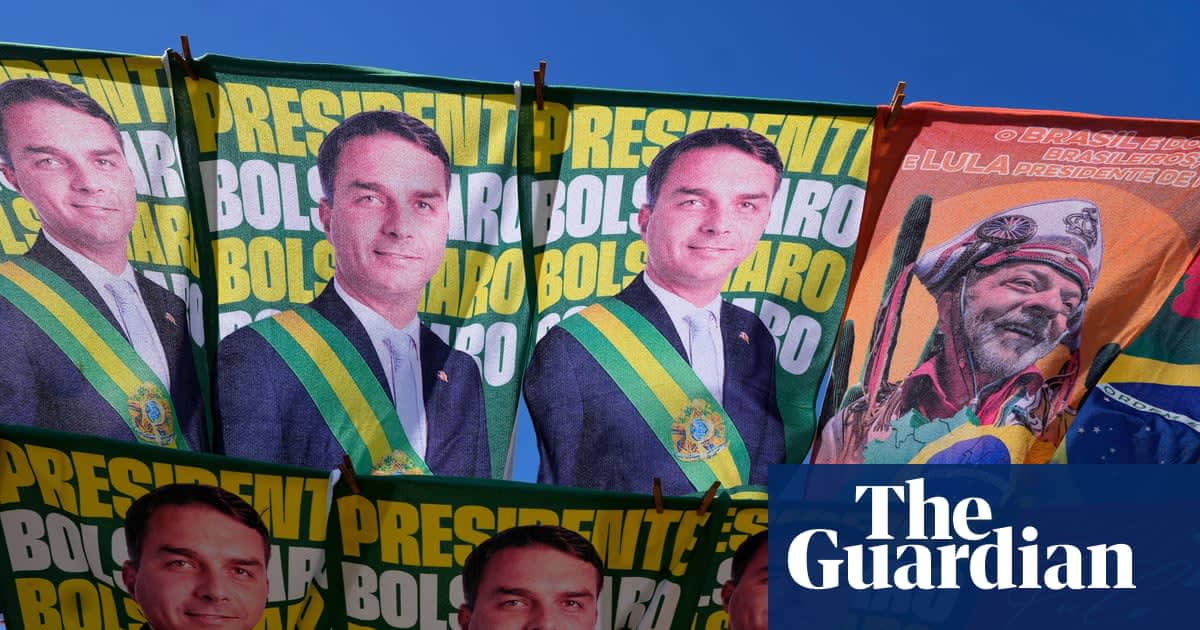
Brazil's presidential race has tightened between incumbent Lula da Silva and Flávio Bolsonaro, the son of the convicted former president. A controversy regarding the status of the country's patron saint has emerged as a critical, unpredictable factor in the final days of the campaign.
The Resurgence of the Bolsonaro Political Dynasty
The political landscape in Brazil has undergone a dramatic shift, defying earlier expectations that the conviction of former president Jair Bolsonaro in September 2025 for his role in an attempted coup would signal the end of his influence. Despite the legal finality of that judgment, the Bolsonaro name remains a potent force in Brazilian politics. The emergence of his son, Flávio Bolsonaro, as a primary presidential contender indicates that the movement’s base remains resilient, fueled by a narrative that seeks both electoral victory and the eventual release of the elder Bolsonaro from legal accountability.
A Nation Divided: The Electoral Deadlock
As Brazil approaches the first round of its presidential election this Sunday, the political climate is marked by intense polarization. The race between the incumbent leftwing president, Luiz Inácio Lula da Silva, and Flávio Bolsonaro is currently described as a deadlocked, knife-edge contest. This parity in the polls reflects a deeply fractured electorate, where the legacy of Jair Bolsonaro’s administration continues to serve as the central axis around which the current national debate revolves.
The Spiritual Battlefield: Our Lady of Aparecida
In an unexpected turn, the election has taken on a religious dimension with the involvement of Our Lady of Aparecida, Brazil’s patron saint. Reports suggest that concerns regarding Flávio Bolsonaro’s potential intentions toward the status of the patroness have ignited a nationwide outcry. This controversy has transformed a secular political campaign into a sensitive cultural debate, with many citizens expressing deep-seated fears that the patron saint’s position could be challenged by a new administration.
Implications for the Catholic Electorate
This religious controversy carries significant weight in a country where faith often intersects with political identity. Analysts, such as Thomas Traumann, have noted that this row could prove decisive in an election where the margins are razor-thin. Because Lula da Silva identifies as Catholic, the perception of his opponent as a threat to the patron saint creates a distinct electoral advantage for the incumbent, potentially swaying undecided voters who prioritize religious heritage above traditional policy platforms.
Regional Consequences and Future Outlook
The outcome of this election holds profound implications for the broader Latin American region. A victory for Flávio Bolsonaro would not only represent a continuation of the far-right populist trajectory established by his father but would likely lead to aggressive efforts to overturn the previous administration’s legal setbacks. Conversely, a victory for Lula would solidify a left-leaning governance model for the coming years. As the country heads to the polls, the interplay between legal history, dynasty politics, and religious identity creates a volatile environment where the final result remains highly unpredictable.