How a Lutyens’ Delhi neighbourhood has gone ‘zero waste’
Source Entity
Mishal Mussaddique
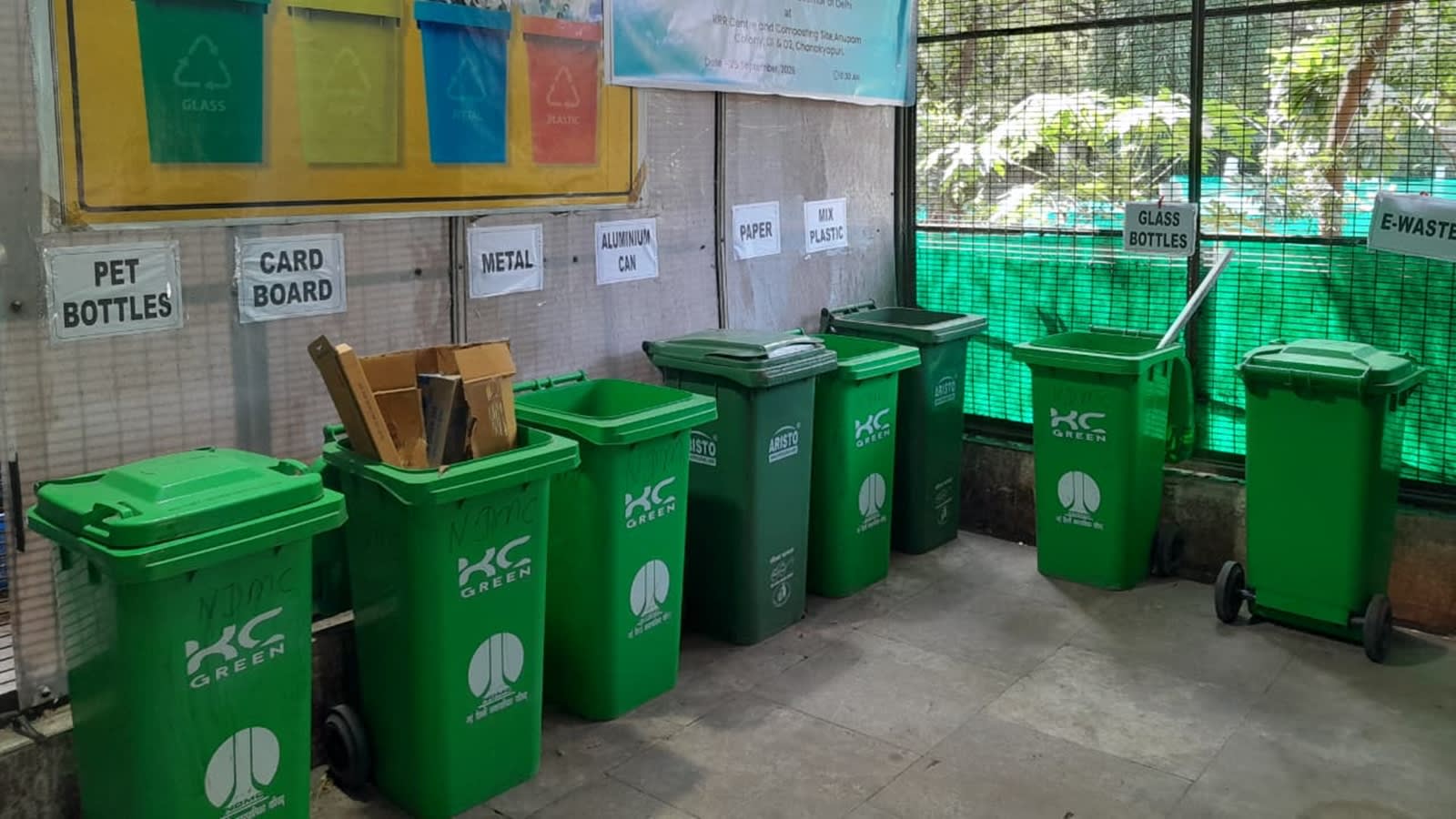
A Lutyens’ Delhi neighbourhood is successfully implementing a zero-waste initiative through a structured collection and sorting process. Residents of over 300 homes in Chanakyapuri collaborate with the local RWA and municipal authorities to divert waste from landfills.
The Zero-Waste Transformation in Chanakyapuri
In a city often grappling with the immense logistical challenges of waste management, the D1 and D2 blocks of Chanakyapuri, alongside the Satya Sadan officers’ flats, have emerged as a beacon of sustainable urban living. By shifting away from the conventional model of dumping waste into overflowing landfills, this Lutyens’ Delhi neighborhood has successfully implemented a 'zero-waste' protocol that prioritizes source segregation and systematic recovery.
The Mechanics of Daily Collection
The operation is defined by its meticulous timing and labor-intensive structure. Starting at 6:30 am, dedicated waste collectors like Arjun traverse the neighborhood to gather refuse from over 300 households. Unlike standard municipal collection that often results in mixed waste, these collectors utilize specialized bicycle carts equipped with separate compartments. This immediate on-site categorization is the foundational step that ensures the efficacy of the entire recovery chain.
The Role of the Material Recovery Facility (MRF)
By 11 am, the collected dry waste reaches the New Delhi Municipal Council’s (NDMC) Material Recovery Facility (MRF) at Madhu Limaye. The MRF serves as the critical node where the waste is further processed and separated into diverse bins for recycling or repurposing. This facility acts as a vital bridge between residential participation and the industrial recycling ecosystem, ensuring that materials that would otherwise contribute to environmental degradation are diverted back into the circular economy.
Community-Led Governance
The success of this initiative is largely attributed to the collaborative efforts of the D1 Block Residents’ Welfare Association (RWA). By hiring dedicated staff to manage the collection process, the RWA has taken ownership of their neighborhood’s environmental footprint. This model proves that localized governance and community engagement are essential components in tackling the broader issue of urban sanitation and waste disposal in metropolitan India.
Broader Implications for Delhi
The Chanakyapuri model offers a scalable blueprint for other regions within Delhi. As the city continues to face mounting pressure on its existing dumpsites, the integration of MRF centers alongside rigorous community-led segregation provides a viable path forward. If replicated across more neighborhoods, this decentralized approach could significantly reduce the volume of waste reaching landfills, thereby alleviating the long-term ecological impact of the city's growing population.
Conclusion: A Path Toward Sustainability
The 'zero-waste' initiative in Chanakyapuri demonstrates that sustainable change is possible through consistent, daily operational discipline. By empowering residents and investing in local recovery infrastructure, this neighborhood has set a precedent for urban waste management that balances efficiency with environmental responsibility. As Delhi looks toward future urban planning, the lessons learned from this small-scale success story will be instrumental in fostering a cleaner, more sustainable capital city.