Building a Tiny 3D Renderer for a Tiny Handheld
Source Entity
Hacker News
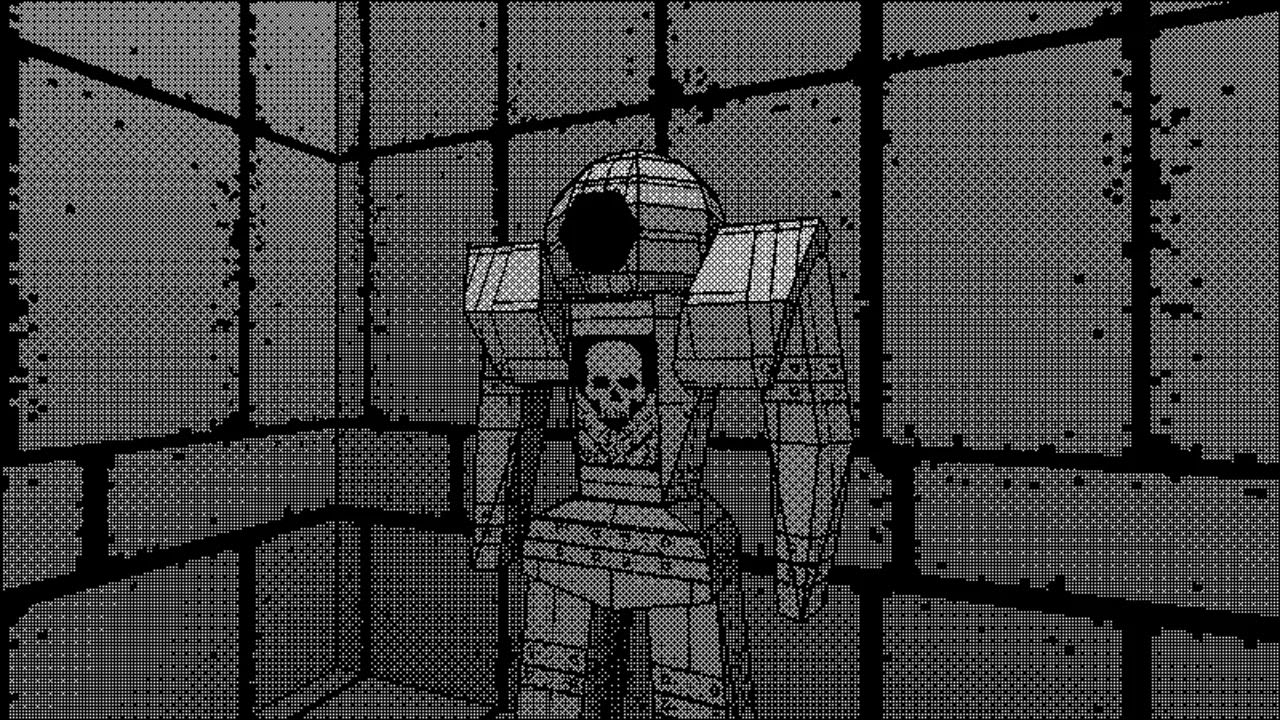
A developer documents the technical process of building a 3D software renderer for the Playdate handheld console. The project began with a raycaster benchmark to assess the device's processing capabilities and floating-point math performance.
Engineering for Constraints: The Playdate 3D Project
The recent documentation regarding the development of a 3D software renderer for the Playdate handheld console offers a fascinating look into the world of constrained software engineering. By choosing to build a custom renderer rather than relying on existing, resource-heavy engines, the developer is engaging in a practice that honors the history of low-level graphics programming. This approach highlights the inherent challenges of working with specialized hardware that is designed for portability and power efficiency rather than raw computational throughput.
Establishing a Performance Baseline
The project’s initial phase was rooted in pragmatism: establishing a performance baseline. The developer opted to utilize a raycaster—a technique famously popularized in early 90s titles like Wolfenstein 3D—to gauge the device's capabilities. This choice is historically significant, as raycasting served as the bridge between 2D tile-based games and true 3D environments. By deploying code derived from Ken Silverman’s classic examples, the developer effectively uses a proven industry standard to measure how the Playdate handles modern execution environments.
The Role of Floating-Point Math
A critical aspect of this development journey is the focus on floating-point and vector math. In handheld devices like the Playdate, which lack the dedicated GPU pipelines found in modern smartphones or PCs, the CPU must shoulder the entire burden of geometry transformation and rasterization. The developer’s emphasis on benchmarking these specific math operations reveals the bottleneck that most software renderers face: the sheer volume of calculations required per frame to render 3D space on a non-accelerated display.
Historical Context of Software Rendering
Software rendering is an art form that has seen a resurgence in the indie game development community. As hardware becomes more powerful, the drive to push boundaries on 'tiny' devices creates a unique subculture of optimization. This project aligns with the legacy of demoscene programmers who spent decades squeezing every possible cycle out of limited hardware. It serves as a reminder that 3D graphics are not solely the domain of high-end graphics cards, but are fundamentally a product of efficient algorithmic design.
Future Implications for Handheld Development
Looking ahead, this project demonstrates that even niche, low-power devices can support sophisticated visual experiences if the underlying software is architected with extreme efficiency. As handheld gaming continues to evolve, the lessons learned from building a renderer from scratch—specifically regarding memory management and CPU-bound graphics—will remain invaluable. This developer’s journey provides a roadmap for others looking to push the boundaries of what is possible on the Playdate and similar micro-consoles.
Conclusion
In summary, the effort to bring 3D rendering to the Playdate is more than just a technical exercise; it is an exploration of the limits of hardware. By focusing on the fundamentals of raycasting and vector math, the project provides a transparent view into the realities of software-based graphics. It underscores the importance of baseline testing in performance-critical applications and highlights the ingenuity required to make small hardware perform big tasks.