NHS 'will collapse' without social care reform, PM tells BBC
Source Entity
BBC News
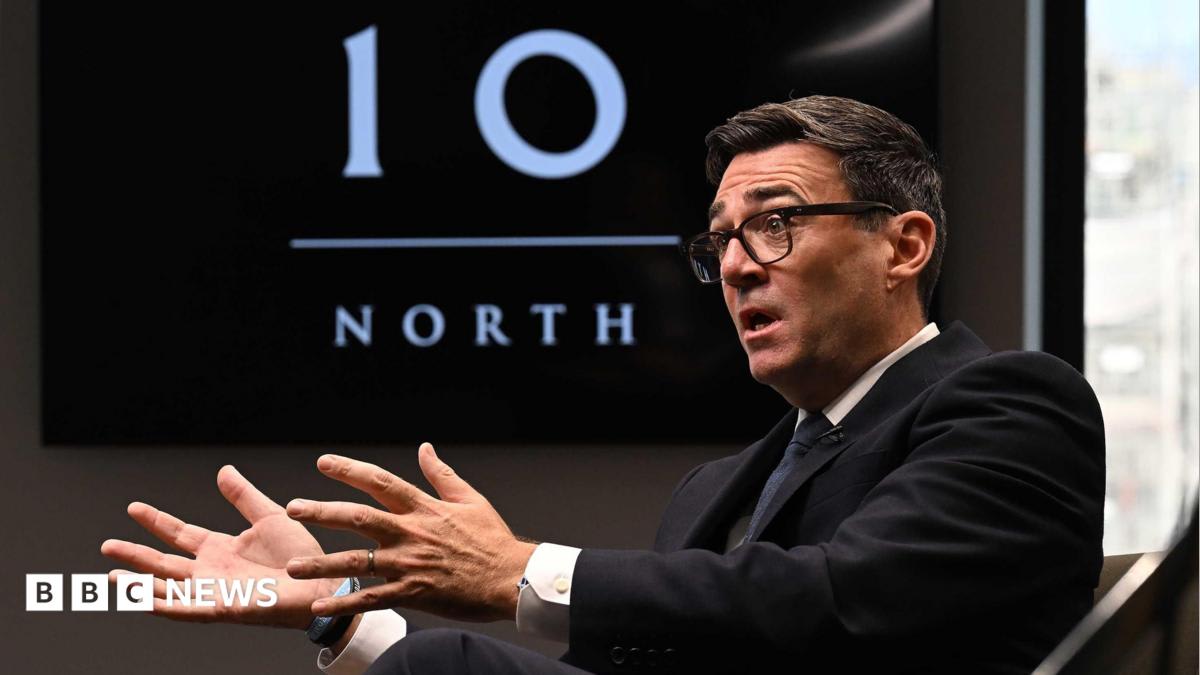
Prime Minister Andy Burnham has identified social care reform as a critical priority, warning that the NHS faces collapse without intervention. Opposition leader Kemi Badenoch has countered by demanding that any reforms be funded without tax hikes or increased borrowing.
The Impending Crisis: Social Care and the NHS
Prime Minister Andy Burnham has placed the reform of the adult social care system at the center of his legislative agenda, framing the issue as an existential threat to the National Health Service (NHS). In his first major interview since assuming office, Burnham explicitly warned that the NHS risks total collapse if it continues to bear the burden of caring for individuals who should be supported by a functional social care infrastructure. This acknowledgment highlights the symbiotic, yet currently fractured, relationship between hospital-based medical care and long-term social support.
The Economic Tightrope
The challenge for the Prime Minister lies in financing these necessary changes without destabilizing an already sensitive economic environment. Burnham has expressed a clear desire to deliver 'substantial change' before his term concludes, yet he faces significant political pressure regarding the fiscal mechanisms required to achieve this. The current debate centers on how to transition from a reactive system that treats crises in hospitals to a proactive system that provides consistent care in the community, a shift that carries a high upfront cost.
The Opposition's Red Lines
Conservative leader Kemi Badenoch has introduced a significant hurdle to the government's plans by issuing a formal challenge to the Prime Minister. In a letter to Burnham, Badenoch conditioned the Conservative Party's cooperation on two core principles: a absolute prohibition on tax increases and a rejection of increased government borrowing. This creates a narrow path for reform, essentially forcing the government to identify significant efficiencies or cuts elsewhere in the public budget to provide the necessary funding for the social care sector.
Fairness and Fiscal Responsibility
Beyond the macroeconomic concerns, Badenoch has emphasized the importance of fairness for those who have saved throughout their lives. This points to a long-standing tension in British politics: the balance between providing a universal safety net and protecting the assets of individuals who have made personal financial provisions. Any reform package will likely be scrutinized on whether it penalizes prudent savers, a demographic that remains a key focus for the opposition.
Future Trends and Political Strategy
As the Prime Minister prepares to deliver a speech on the future of adult social care this week, the political landscape remains highly charged. A source from No 10 has described this push as part of a strategy to 'run towards problems that have been neglected,' suggesting that the government is willing to engage in a high-stakes confrontation with the opposition. The coming weeks will likely see a legislative tug-of-war, with the government attempting to balance the urgent need for structural reform against the strict fiscal constraints imposed by the Conservative leadership. The outcome of this debate will likely define the long-term sustainability of both the NHS and the broader welfare state.