In Pics: Bengaluru, Chennai, Mumbai, Student Protests Move Beyond Delhi
Source Entity
NDTV News Search Records Found 1000
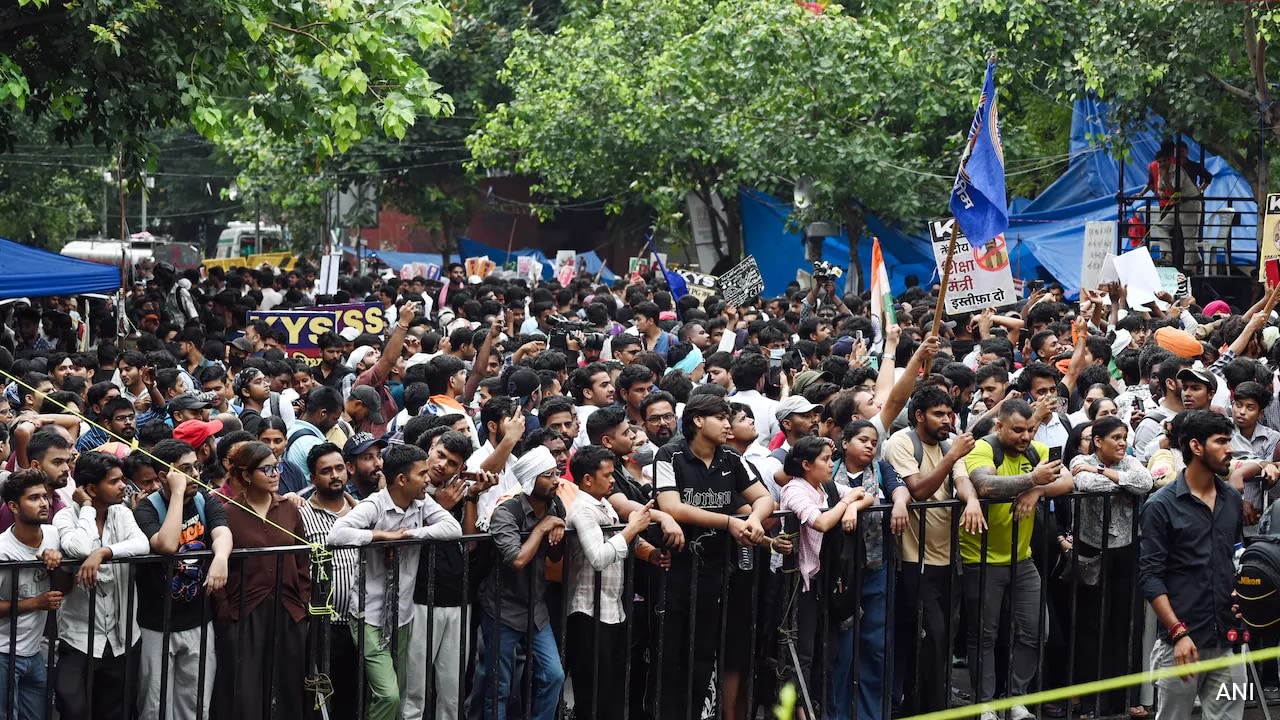
The Delhi High Court has dismissed a PIL demanding an NIA investigation into the Cockroach Janta Party's 'Chalo Sansad' march. The court emphasized that law enforcement agencies are already addressing the reported vandalism and that the referral of cases to the NIA is a government prerogative.
Delhi High Court Rejects NIA Probe Plea for 'Chalo Sansad' March
Judicial Oversight and Institutional Boundaries
On July 24, 2026, the Delhi High Court, presided over by Chief Justice D. K. Upadhyaya and Justice Tejas Karia, delivered a significant ruling regarding the recent 'Chalo Sansad' march organized by the Cockroach Janta Party (CJP). The court refused to entertain a Public Interest Litigation (PIL) that had sought an investigation by the National Investigation Agency (NIA) or another specialized agency into alleged acts of violence and vandalism that occurred during the demonstration on July 20. The protest, which centered on grievances surrounding the NEET-UG paper leak, had drawn substantial public and media attention.
The Legal Reasoning Behind the Dismissal
The High Court’s decision was rooted in a strict interpretation of the separation of powers. The Bench clarified that the responsibility for investigating incidents of public disorder and vandalism lies with the established law enforcement authorities, who are already aware of the situation and empowered to take action under existing statutes. Furthermore, the court underscored that the authority to refer a case to the NIA—a specialized anti-terror agency—rests with the Central Government, not the judiciary. Following these observations, Solicitor General Tushar Mehta advised the petitioner to withdraw the plea, leading to the formal dismissal of the case.
Contextualizing the Protest and Police Response
The 'Chalo Sansad' march, which proceeded from Jantar Mantar toward Parliament House, was marked by clashes between protesters and law enforcement. Reports indicated that police personnel utilized lathi charges to manage the crowds, sparking a secondary debate regarding the necessity and proportionality of police force. Prior to the dismissal of the NIA probe request, the court had already taken a proactive stance by seeking responses from the Centre and the Delhi Police regarding allegations of police excesses during these demonstrations.
Broader Implications for Public Demonstrations
This judicial development highlights the complexity of managing large-scale protests in the national capital. By refusing to elevate the investigation to a federal anti-terror level, the court has signaled a preference for utilizing local law enforcement frameworks to handle civil unrest. This approach reinforces the existing legal mechanisms while simultaneously keeping the government accountable for its handling of protest-related violence and allegations of state-led misconduct.
Historical Precedent and Future Trends
The court's remark that the Jantar Mantar incident was not an 'isolated' event suggests a growing judicial concern regarding the recurring nature of protest-related violence in Delhi. Moving forward, the focus will likely shift toward the outcome of the ongoing investigation into police conduct and the broader implications of the NEET-UG controversy. The dismissal of the NIA plea serves as a reminder that the judiciary remains cautious about overstepping into the executive's domain, even while maintaining oversight over the protection of democratic rights and public order.
Multiple Citing Sources
Verification Required?