Dharmendra Pradhan First Minister To Quit Because Of A Row Since MJ Akbar In 2018
Source Entity
NDTV News Search Records Found 1000
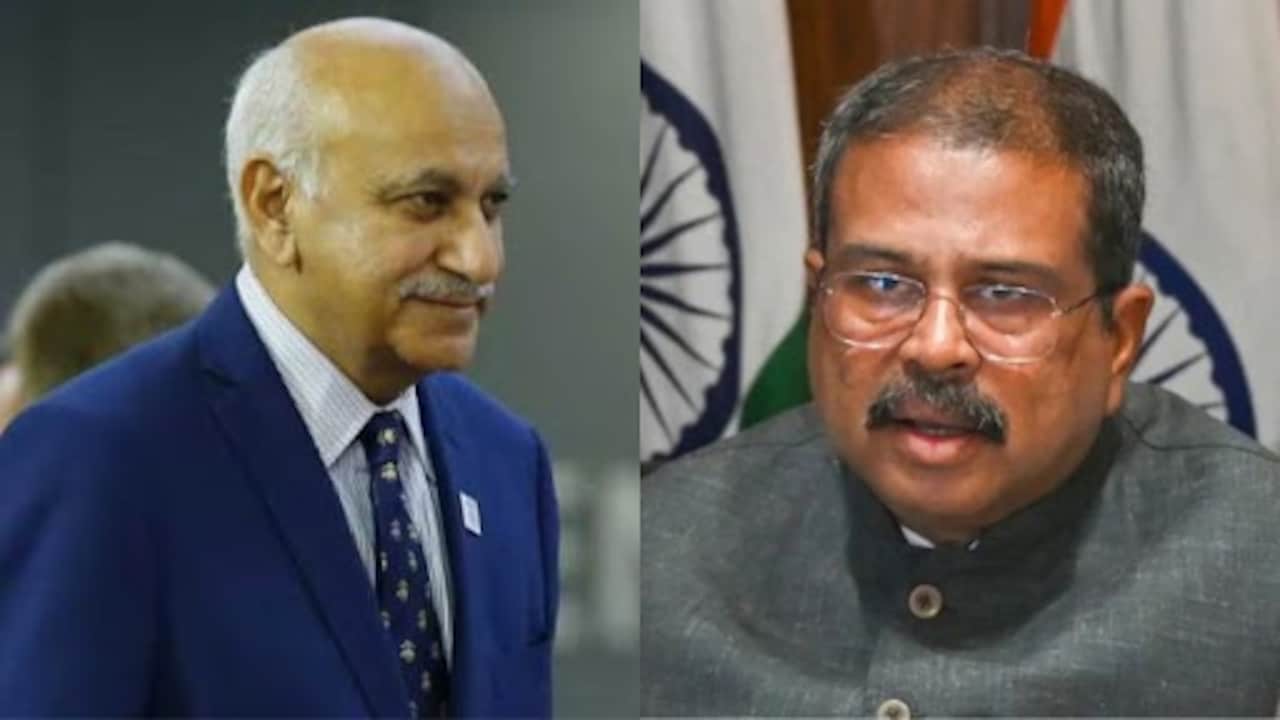
Dharmendra Pradhan has become the first minister to resign due to a controversy since MJ Akbar's departure in 2018. This event marks a significant moment in Indian political accountability.
The Significance of Ministerial Resignations in Indian Politics
The recent resignation of Dharmendra Pradhan, attributed to an ongoing political row, marks a rare and consequential moment in the current administration. By stepping down, Pradhan joins a short list of high-profile officials who have vacated their posts under pressure from public or internal scrutiny. This event is being compared to the high-profile exit of MJ Akbar in 2018, underscoring the gravity of the circumstances surrounding Pradhan's departure.
Historical Context: The Precedent of 2018
To understand the magnitude of this resignation, one must look back to the 2018 resignation of MJ Akbar, who served as the Minister of State for External Affairs. Akbar’s departure was a watershed moment in Indian political history, as it followed a wave of public allegations that forced the government to address issues of personal conduct and administrative integrity. The comparison between Pradhan and Akbar highlights how political rows, whether personal or policy-driven, continue to act as catalysts for ministerial turnover.
The Mechanics of Political Accountability
Ministerial resignations in India are rarely isolated incidents; they are often the result of complex internal party dynamics, public outcry, and the need for the government to manage its image. When a minister resigns due to a "row," it signals that the issue has reached a threshold where the political cost of retaining the individual outweighs the benefits. This dynamic ensures that the executive branch remains sensitive to external pressures, even in a system where party loyalty is paramount.
Broader Implications for the Administration
Pradhan’s exit creates a vacancy that necessitates a reshuffle or a strategic reassignment of duties. Such transitions are critical, as they can shift the focus of ministerial portfolios and impact the implementation of long-term government agendas. By removing a figure at the center of a controversy, the government often attempts to neutralize negative media cycles and restore public confidence in its administrative processes.
Future Trends and Political Stability
Looking ahead, the precedent set by these resignations suggests that political rows will continue to be a primary driver of cabinet changes. As digital media continues to amplify controversies, the window for ministers to address or resolve public rows before they necessitate a resignation is shrinking. Future administrations will likely need to adopt more proactive crisis management strategies to avoid the loss of key personnel and the subsequent disruption to government continuity.
Conclusion
In summary, the resignation of Dharmendra Pradhan is a pivotal development that echoes the historical precedent set by MJ Akbar in 2018. It serves as a reminder of the volatility inherent in high-level politics and the enduring power of public and internal accountability mechanisms. As the political landscape evolves, the patterns of ministerial exits will remain a key indicator of government stability and ethical standards.
Verification Required?