Burnham 'open' to calls for slavery apology but not reparations
Source Entity
BBC News
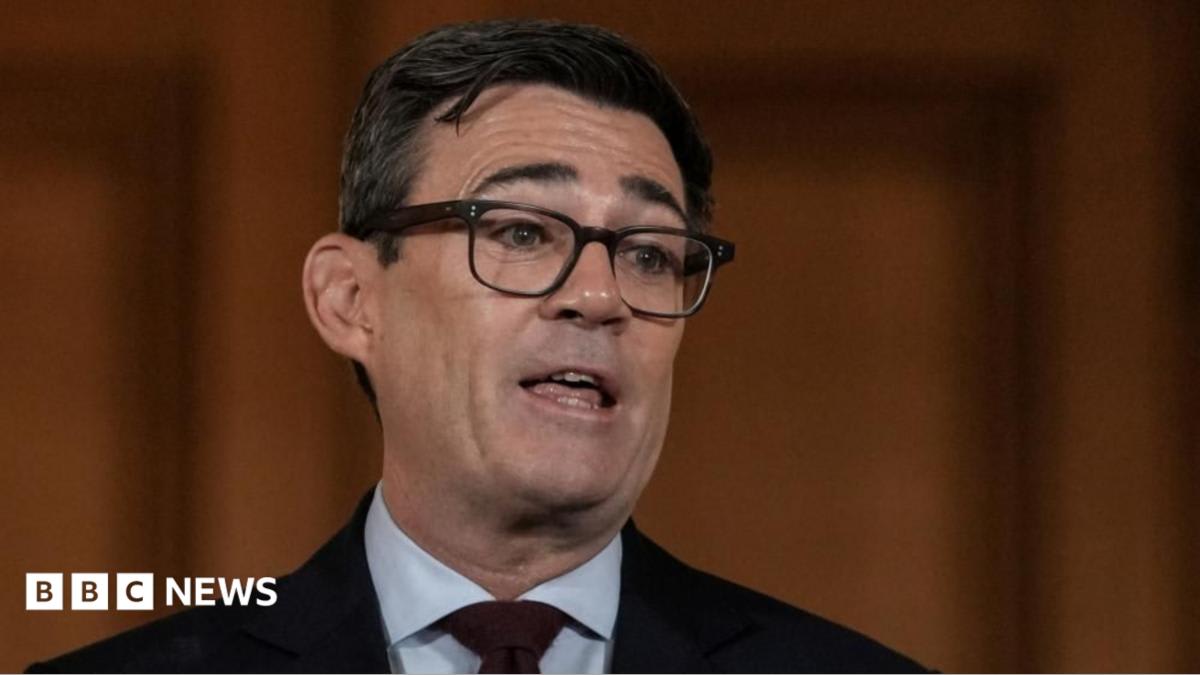
Prime Minister Andy Burnham has expressed openness to a formal UK apology for the transatlantic slave trade ahead of a Commonwealth summit. However, he has categorically ruled out financial reparations, citing them as an inappropriate solution to historical grievances.
The Complexity of Historical Accountability
Prime Minister Andy Burnham has signaled a significant, albeit nuanced, shift in the United Kingdom's stance regarding its historical involvement in the transatlantic slave trade. By expressing an openness to a formal apology while simultaneously rejecting the prospect of financial reparations, Burnham is attempting to navigate the delicate intersection of historical reconciliation and contemporary fiscal policy. This declaration comes at a critical juncture as the nation prepares for an upcoming Commonwealth leaders' summit in the Caribbean.
The Ethics of Apology vs. Economic Restitution
The distinction between a symbolic apology and material reparations represents a central tension in modern post-colonial discourse. Burnham’s characterization of the slave trade as "brutal and barbaric" acknowledges the severity of the human rights abuses inflicted upon millions of Africans trafficked to the Americas. However, his dismissal of financial reparations suggests a government preference for diplomatic goodwill over economic liability. This stance reflects a broader concern among Western powers that acknowledging historical crimes could set a precedent for massive, ongoing fiscal demands that remain politically unfeasible in the current climate.
Contextualizing the Commonwealth Summit
The timing of these comments is far from coincidental, as they precede a high-stakes Commonwealth summit in the Caribbean. Caribbean nations have become increasingly vocal in their demands for both recognition of historical trauma and tangible redress. With King Charles III also touring the region, the pressure on the UK government to address the legacy of empire has reached a new intensity. Burnham’s comments serve as a strategic "middle ground"—offering a moral concession to appease diplomatic partners while drawing a firm line to protect the national treasury.
The Weight of Historical Legacy
To "face up to the past," as Burnham suggests, requires more than just rhetoric; it necessitates an honest appraisal of how the slave trade built the foundations of modern British wealth and global influence. Historically, the UK has been reluctant to engage with the full scope of its colonial past. By opening the door to a formal apology, the Prime Minister is acknowledging that the status quo of silence is no longer sustainable in a globalized society that demands accountability for systemic historical injustices.
Future Implications for International Relations
The refusal to offer financial reparations will likely remain a point of contention for Caribbean nations seeking to address the long-term economic developmental gaps caused by slavery. While an apology may satisfy some calls for moral recognition, it is unlikely to quell the persistent demands for structural investment and economic support. As the UK continues to engage with its Commonwealth partners, the challenge will be whether a purely diplomatic approach—devoid of financial commitment—is sufficient to foster a new era of cooperation and mutual respect in a post-colonial world.