Chris Mason: Burnham looks to show he will go further than Starmer with West Bank sanctions
Source Entity
BBC News
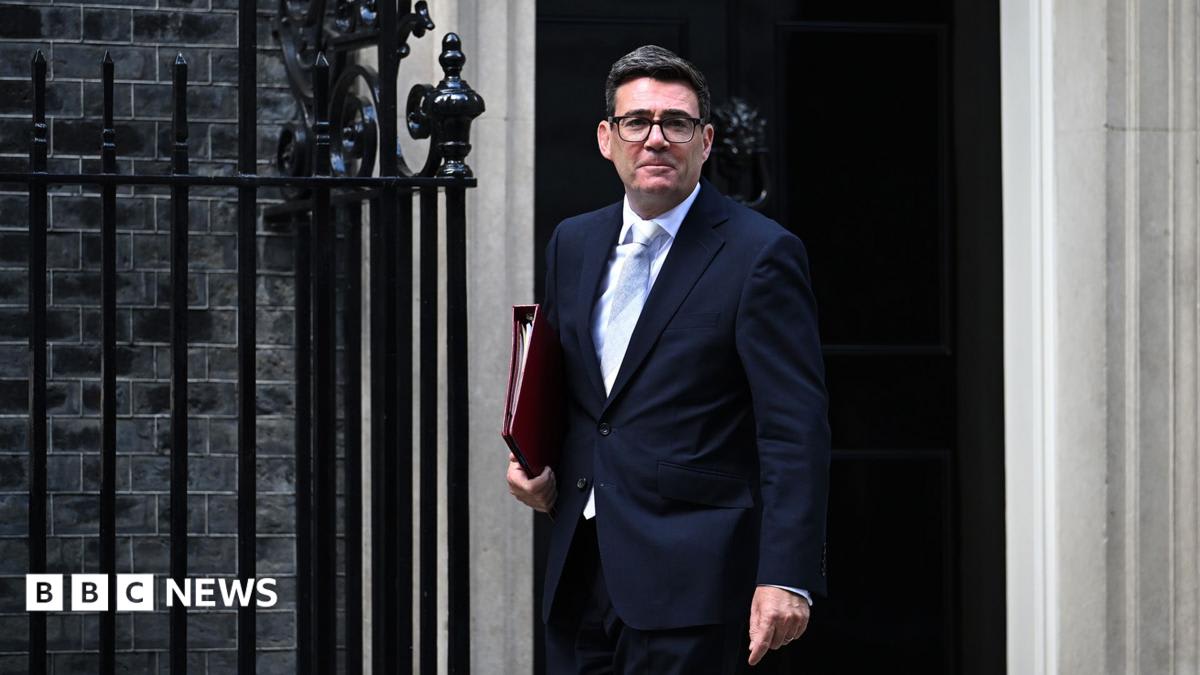
The UK government has announced a ban on imports from Israeli settlements in the West Bank, signaling a shift toward a more assertive Middle East policy under Prime Minister Andy Burnham. This move follows the UK's formal recognition of a Palestinian state and reflects a strategic effort to influence regional stability through coordinated international action.
A Strategic Shift in British Foreign Policy
The UK government’s recent decision to implement a ban on imports originating from Israeli settlements in the occupied West Bank marks a definitive evolution in British foreign policy. By taking this step, the administration under Prime Minister Andy Burnham is signaling a move away from previous diplomatic caution, opting instead for a more assertive stance regarding the status of the West Bank.
Building on the Two-State Framework
This policy shift is framed by government officials, including Foreign Secretary Ed Miliband, as a logical progression from the UK’s formal recognition of a Palestinian state one year ago. The move is designed to re-assert the necessity of the two-state solution, a cornerstone of international diplomacy that has faced significant stagnation. By targeting the economic viability of settlements, the UK is attempting to apply tangible pressure to align regional realities with the stated goal of a sovereign Palestinian state.
Distinguishing the Burnham Administration
Observers have noted that this announcement serves as a clear differentiator between the current leadership and the tenure of Sir Keir Starmer. While Starmer navigated the complexities of Middle Eastern relations with a more traditional diplomatic approach, Burnham appears eager to demonstrate a willingness to adopt more robust measures. This shift in tone and action suggests a desire to redefine Britain's international footprint by taking a more proactive role in human rights and territorial integrity discourse.
Coordination and Geopolitical Risk
Foreign Secretary Miliband has emphasized that this action is intended to be part of a coordinated international effort. The logic behind this strategy is to minimize the potential for retaliatory "blowback" from key allies like the United States or from Israel itself. By acting in concert with other international partners, the UK hopes to create a unified front that lessens the risk of diplomatic isolation for any single nation participating in the sanctions.
Implications for Middle East Relations
The use of blunt language by the Foreign Secretary regarding Israel’s conduct represents a departure from standard diplomatic rhetoric. This tone suggests that the UK government is no longer content with passive observation and is prepared to use economic policy as a lever for political influence. The long-term success of this strategy will depend on whether this import ban gains traction among other global powers or if it remains a localized British policy intervention.
Future Trends and Conclusion
Looking forward, this policy suggests that the UK intends to remain a vocal player in the Middle East, regardless of the tension it may create with traditional allies. The emphasis on international coordination will likely be the barometer for how successful this policy becomes in the coming years. By prioritizing the two-state solution through economic constraints, the Burnham government has set a new, higher threshold for British involvement in the Israeli-Palestinian conflict, signaling a period of increased diplomatic friction and strategic realignment.