Long-term MoUs between Sanchari Cauvery, apartments to counter skyrocketing water tanker prices
Source Entity
India Latest News: Top National Headlines Today & Breaking News | The Hindu
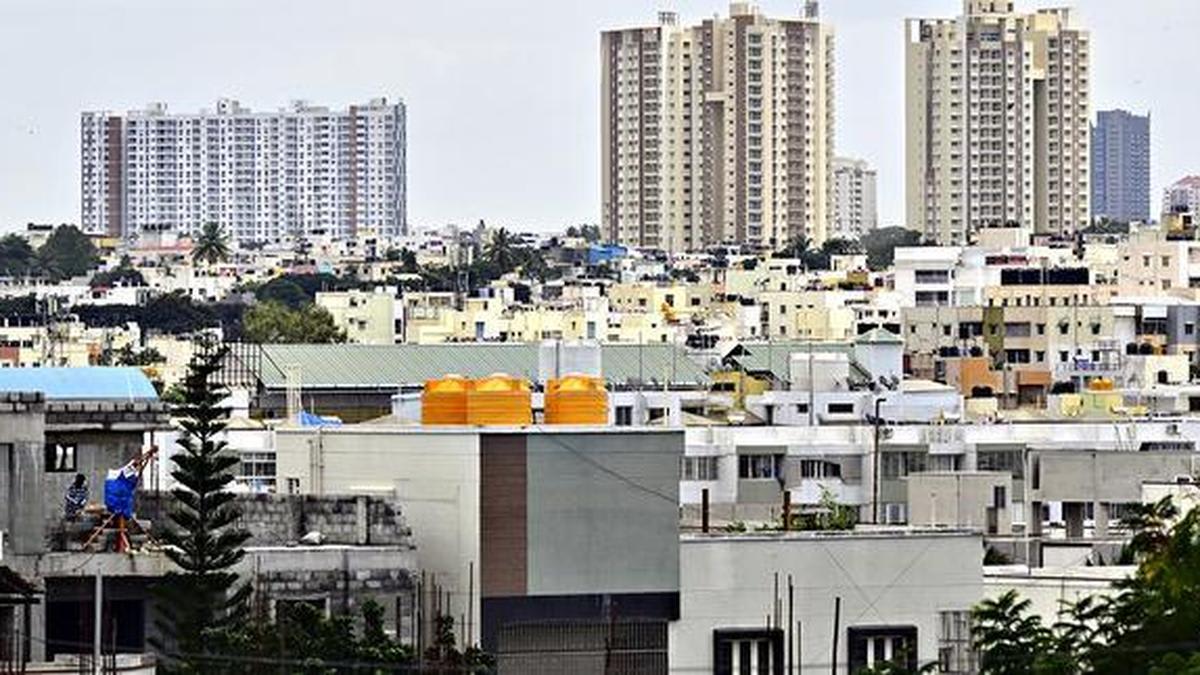
To combat predatory water tanker pricing, the BWSSB is formalizing the Sanchari Cauvery scheme through digital MoUs with apartment complexes. This initiative aims to reduce reliance on private tankers amid monsoon-induced water shortages in Bengaluru.
Addressing Bengaluru’s Water Crisis: The Sanchari Cauvery Intervention
Bengaluru, a city grappling with rapid urbanization and fluctuating climate patterns, is currently facing a paradoxical water crisis. Despite the commission of the Cauvery V Stage project in 2024—which was intended to alleviate dependence on private water suppliers—many apartment communities find themselves being coerced into long-term, two-year contracts with private tanker operators. This exploitation occurs as the southwest monsoon season experiences a deficiency, leading to a surge in demand that mirrors, or even exceeds, peak summer consumption levels.
The Shift to Coercive Market Practices
The current situation highlights a critical vulnerability in urban water infrastructure. As private tanker businesses capitalize on the lack of rainfall, they are effectively locking apartment complexes into binding agreements. This forces residents to commit to long-term financial burdens to ensure the basic necessity of water, undermining the progress made by the municipal government’s recent infrastructure upgrades. The inability of the public system to fully absorb the shock of a dry monsoon has created a vacuum, which private entities are filling with aggressive pricing models.
BWSSB’s Strategic Digital Pivot
In response to these predatory practices, Manjula N., Chairperson of the Bangalore Water Supply and Sewerage Board (BWSSB), has announced a robust counter-strategy. By formalizing the 'Sanchari Cauvery' scheme, the board is shifting from informal ad-hoc arrangements to structured, digital Memorandums of Understanding (MoUs) with apartment communities. This digitization is a significant departure from previous years, where bulk water supply mechanisms existed but lacked transparency and administrative oversight.
Impact of Digitization on Transparency
The move to digitize these MoUs is designed to eliminate the 'gray market' dynamics that allow private tankers to dictate terms. By providing a clear, government-backed framework, the BWSSB aims to stabilize the supply chain for residential complexes. This transparency ensures that apartment associations have a reliable alternative to private vendors, theoretically driving down the high costs imposed during the current monsoon deficiency.
Broader Implications and Future Trends
This initiative suggests a long-term trend toward integrated urban water management. As climate change continues to make monsoon patterns unpredictable, the reliance on static infrastructure like the Cauvery V Stage may not be sufficient on its own. The BWSSB’s proactive intervention indicates a shift toward 'dynamic water governance,' where the board actively manages demand and supply through technological platforms. If successful, this model could serve as a blueprint for other Indian metropolitan areas facing similar water security challenges.
Conclusion
The intervention by the BWSSB represents a vital step in protecting residents from the volatility of private water markets. By leveraging technology to formalize supply agreements, the board is not only addressing the immediate strain caused by a lackluster monsoon but is also building a more resilient framework for the future. Ensuring that water remains an accessible public utility rather than a luxury item dictated by private contracts is essential for the sustainable growth of Bengaluru.
Verification Required?