Cabinet secretary urges bureaucrats to break out of 'routine', improve work culture
Source Entity
Latest News: Todays Latest News Headlines from India & World | Hindustan Times | Hindustan Times
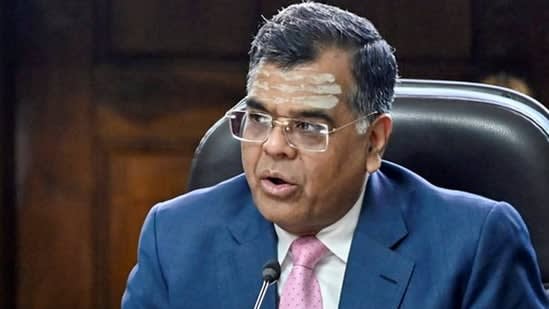
Cabinet Secretary Dr. TV Somanathan has urged civil servants to move beyond stagnant routines to improve governance. He emphasized that officers should focus on behavioral changes rather than repeating the same experiences throughout their careers.
Reforming the Administrative Backbone: A Call for Cultural Change
Cabinet Secretary Dr. TV Somanathan has initiated a significant push for administrative reform, urging civil servants across India to break free from the stagnation of routine. In a recent directive addressed to chief secretaries, state advisers, and administrative training heads, he highlighted the danger of officers settling into entrenched habits. By suggesting that many civil servants risk having "one year's experience repeated 30 times," Somanathan is challenging the traditional bureaucracy to embrace a more dynamic approach to public service.
The Trap of Routine in Governance
At the core of this initiative is the recognition that administrative efficiency is often stifled by an over-reliance on established procedures that may no longer serve the public interest. Dr. Somanathan’s observation that "routine is routinely ignored" suggests a disconnect between the intended purpose of government processes and their actual implementation. This call to action is not merely about policy reform but about fundamentally shifting the behavioral culture within the civil services to ensure that governance remains responsive and relevant.
Bridging the Gap in Training
One of the most critical aspects of this intervention is the identification of a gap in middle-management training. While many officers are well-versed in subject-specific technical knowledge, they have expressed a need for practical guidance on day-to-day administrative operations. Somanathan’s letter acknowledges this reality, signaling a move toward more applied, real-world training modules that help officers navigate the complexities of their roles beyond the theoretical frameworks taught in traditional institutes.
Behavioral Shifts as a Catalyst for Reform
Rather than advocating for a complete overhaul of the bureaucratic structure, the Cabinet Secretary is focusing on small, incremental behavioral changes. By encouraging officers to continuously reflect on their performance, he aims to cultivate a culture of self-improvement and accountability. This bottom-up approach to reform suggests that lasting systemic change is best achieved by empowering individual officers to challenge their own status quo rather than relying solely on top-down mandates.
Broader Implications for Public Administration
This directive comes at a time when the demands on the Indian administrative machinery are rapidly evolving. As the nation faces increasingly complex socio-economic challenges, the need for a nimble and adaptive civil service becomes paramount. By prioritizing the human element of governance—specifically, the mindset and habits of those in positions of authority—Dr. Somanathan is addressing a foundational issue that could significantly improve the efficiency and quality of public service delivery across states and Union Territories.
Future Trends and Outlook
Looking ahead, this initiative likely signals a shift toward more frequent performance reviews and a greater emphasis on professional development tailored to the practical realities of administrative work. If successful, this focus on breaking the "routine" could serve as a model for other public institutions. The long-term success of these reforms will depend on the willingness of state-level institutions to integrate these behavioral guidelines into their training programs and the commitment of individual officers to move beyond their comfort zones.
Verification Required?