From Tamil Nadu to Jantar Mantar: 5 student movements that changed India's politics
Source Entity
SANJAY SHARMA
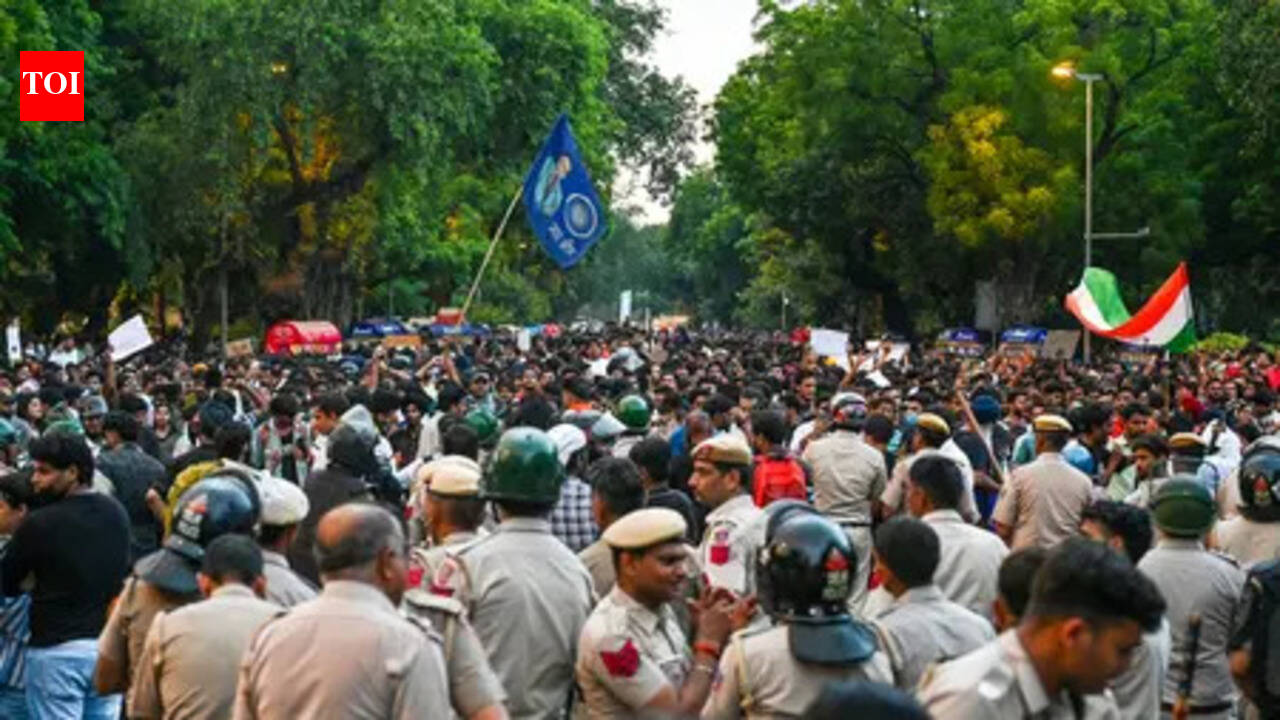
Student movements have historically acted as catalysts for political and social transformation in India. From the 1965 anti-Hindi protests to contemporary demonstrations at Jantar Mantar, these agitations continue to shape national policy and democratic discourse.
The Resilient Legacy of Student Activism in India
Student movements in India have functioned as the crucible of the nation’s democratic evolution, often serving as a barometer for public sentiment against state policies. By stepping out of classrooms and onto the streets, students have historically challenged the status quo, forcing the political establishment to address issues ranging from linguistic identity to systemic corruption. The trajectory from the 1965 Anti-Hindi Agitation to the 2026 Jantar Mantar protests underscores a persistent culture of dissent that refuses to be sidelined.
Linguistic Identity and the 1965 Anti-Hindi Agitation
The 1965 Anti-Hindi Agitation in Tamil Nadu remains a seminal moment that fundamentally altered the state's political landscape. By resisting the imposition of Hindi as the sole official language, students asserted the significance of regional identity and cultural autonomy. This movement did not merely influence language policy; it facilitated the rise of regional political parties, effectively dismantling the dominance of national parties in Tamil Nadu and establishing a new model of identity-based governance that persists today.
The 1974 Crucible: Nav Nirman and the Bihar Movement
In 1974, the convergence of the Nav Nirman movement in Gujarat and the Bihar Movement demonstrated the potential for student activism to transcend local grievances and demand national accountability. The Bihar Chatra Sangharsh Samiti’s struggle against local corruption gained monumental gravity when Jayaprakash Narayan (JP) provided leadership. His call for a "total revolution" sought to unify students, peasants, and labor unions in a non-violent push for systemic transformation. While the demand for the dissolution of the Bihar government was initially rejected by the Centre, the momentum generated by these protests permanently scarred the political consciousness of the era.
Beyond the Campus: Assam and Beyond
The historical pattern of student-led intervention continued through the Assam Agitation and the Anti-Mandal protests, proving that university cohorts often serve as the vanguard for broader social change. These movements have consistently engaged with the complexities of citizenship, reservation, and equitable access. Each agitation has served as a mechanism for holding the government accountable, ensuring that democratic discourse remains participatory rather than purely bureaucratic.
Modern Reflections and Future Trends
As we observe the 2026 Jantar Mantar protests regarding education, it is clear that the fundamental nature of Indian student activism remains rooted in the demand for transparency and reform. Future trends suggest that while the medium of protest may evolve with digital connectivity, the core impetus—educational equity, governance reform, and democratic inclusion—remains unchanged. Student movements continue to act as a vital check on power, proving that the classroom is frequently where the most significant political shifts originate.