E20 row: Gadkari moves Bombay HC over 'defamatory' posts, deepfakes
Source Entity
TOI NEWS DESK
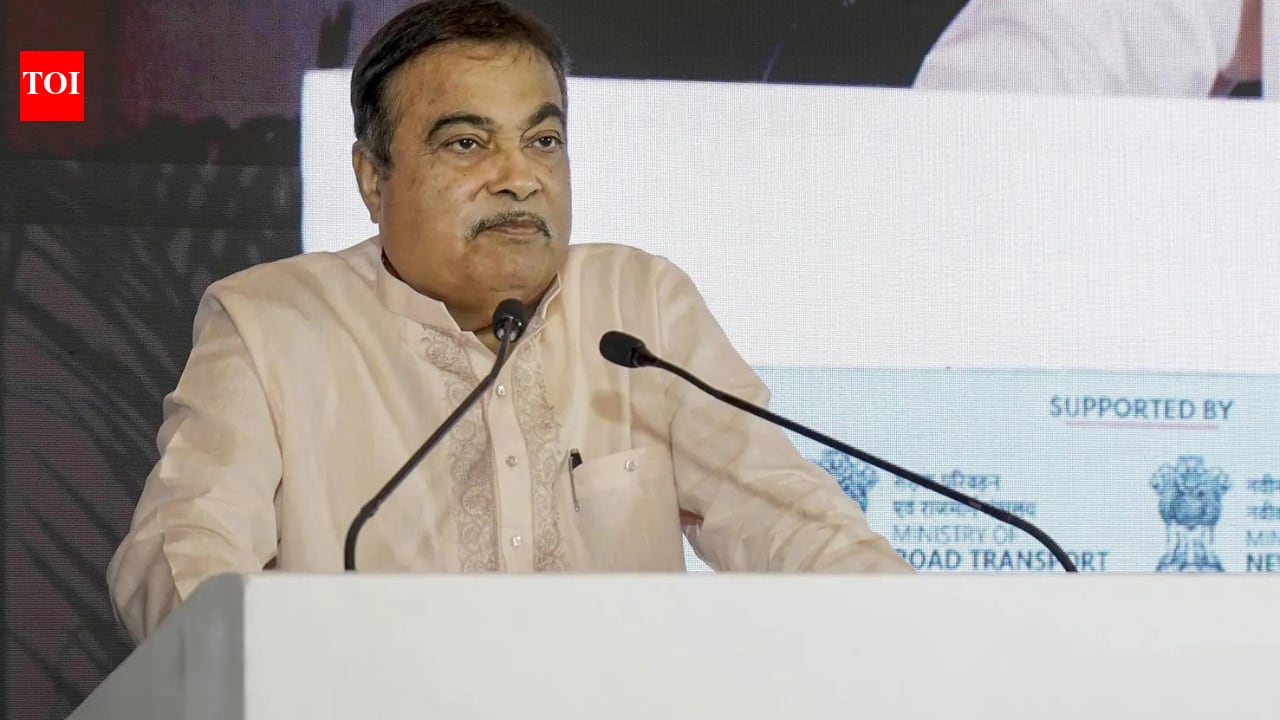
The Bombay High Court has granted Union Minister Nitin Gadkari permission to sue Meta, Google, and X over defamatory deepfake content. Gadkari seeks to remove false claims linking him to the E20 ethanol blending policy.
Legal Action Against Deepfake Misinformation
On July 27, 2026, the Bombay High Court took a significant step in addressing the proliferation of digital misinformation by granting Union Minister for Road Transport and Highways, Nitin Gadkari, the legal standing to sue major technology platforms. Justice Abhay Ahuja permitted the Minister to initiate a civil suit against Meta, Google, and X (formerly Twitter) regarding the dissemination of deepfake content. This legal maneuver highlights the growing tensions between public figures and the unchecked spread of AI-generated content on global social media networks.
The Core Conflict: E20 Policy Attribution
The heart of the dispute lies in the persistent, false attribution of the Centre’s Ethanol Blending Programme (EBP)—specifically the E20 policy—to Minister Gadkari. Despite serving as the Union Minister for Road Transport and Highways since 2014, Gadkari has explicitly stated that he holds no decision-making role regarding the E20 policy. The deepfakes in question have sought to manipulate public perception by framing the Minister as the architect or key influencer of these specific energy mandates, leading to potential reputational damage and public confusion.
Procedural Hurdles and Legal Strategy
The Minister's petition was filed under Clause XII of the Letters Patent. This procedural requirement is essential when a portion of the cause of action originates outside the territorial jurisdiction of the Bombay High Court. By securing this judicial leave, Gadkari can now pursue a substantive civil suit aimed at compelling these platforms to remove the offending content. This move signifies a broader strategy to hold tech intermediaries accountable for the viral nature of defamatory AI-generated material.
Implications for Tech Platforms
This case underscores the increasing pressure on platforms like Meta, Google, and X to implement more robust safeguards against deepfakes and impersonation. As these entities act as primary conduits for political discourse, their failure to moderate high-stakes misinformation often results in legal challenges. Should the suit proceed, it could set a critical legal precedent for how Indian courts interpret the liability of intermediaries when they host content that is not only defamatory but also technologically manipulated.
Future Trends in Digital Accountability
Looking ahead, this development suggests that public figures will increasingly rely on the judiciary to combat AI-driven disinformation campaigns. Gadkari’s stated intention to potentially approach the Supreme Court indicates a commitment to establishing a clear legal framework for digital protection. As deepfake technology becomes more accessible, the intersection of political integrity and digital platform regulation will likely remain a focal point of litigation, forcing a evolution in how platforms manage content verification in the digital age.