Wildfires in Canada have alarms ringing in US
Source Entity
The Indian Express
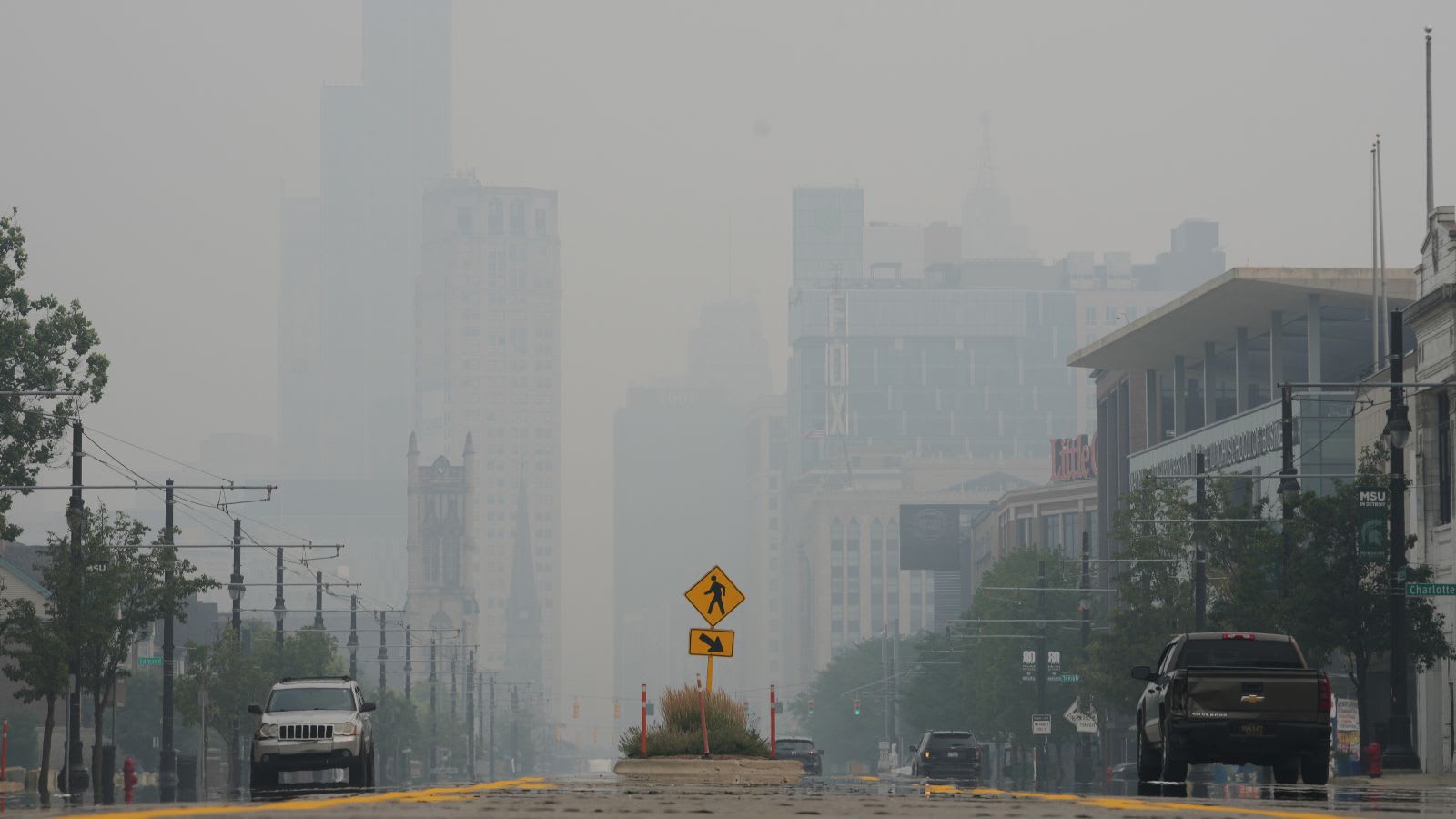
Hundreds of active wildfires in Canada have triggered hazardous air quality alerts across the US Midwest and Northeast. Smoke from over 800 fires, primarily in Ontario, has obscured city skylines and affected public health in multiple regions.
Transboundary Environmental Crisis: Canadian Wildfires Impact North America
Across the northern hemisphere, a severe environmental crisis is unfolding as hundreds of wildfires across Canada unleash massive plumes of smoke that disregard international borders. The scale of the current blaze is staggering, with the Canadian Wildland Fire Information System reporting 858 active wildfires. The volatility of the situation is underscored by the fact that 30 new fires ignited in a single Thursday, with the vast majority of these blazes remaining out of control. This surge in activity indicates a highly combustible environment, likely driven by a combination of drought conditions and high temperatures.
Regional Epicenters and Canadian Impact
The crisis is most concentrated in northwestern Ontario, which has become a primary source of the smoke affecting the region. Major urban centers within Canada, including Thunder Bay and Toronto, have seen their air quality plummet as they are blanketed by thick smoke. This localized intensity suggests that the boreal forests of Ontario are experiencing extreme stress, creating a feedback loop where massive amounts of biomass are fueling fires that are increasingly difficult for ground crews and aerial firefighters to contain.
Cross-Border Dispersion and US Air Quality
The environmental impact extends deep into the United States, where atmospheric currents have carried smoke from the Upper Midwest, across the Great Lakes, and into the Northeast. The visual evidence of this phenomenon is stark; the Detroit city skyline has been significantly obscured, and the atmospheric composition has shifted enough to tint sunrises and sunsets a deep red in New York. These are not merely aesthetic changes but indicators of a significant increase in particulate matter in the air, triggering hazardous air quality alerts for millions of residents.
Public Health Implications of Hazardous Air
When air quality reaches "hazardous" levels, the primary concern is the concentration of fine particulate matter (PM2.5). These microscopic particles can penetrate deep into the lungs and enter the bloodstream, posing severe risks to vulnerable populations, including children, the elderly, and those with pre-existing respiratory conditions like asthma or COPD. The widespread nature of these alerts across the US Midwest and Northeast suggests a broad public health challenge, requiring coordinated government responses to advise citizens to remain indoors and use air filtration systems.
Historical Context and Climate Trends
While wildfires are a natural part of the Canadian ecosystem, the frequency and intensity of "out of control" fires are reflecting a broader global trend. The increasing severity of these seasons points to a shift in climatic patterns, where longer dry spells and higher average temperatures make forest floors more susceptible to ignition. This pattern of transboundary smoke—where Canadian fires affect US air quality—is becoming a recurring seasonal threat, highlighting the interconnectedness of the North American environment.
Future Outlook and Mitigation
Looking forward, the persistence of 858 active fires suggests that the region will remain under threat until a significant shift in weather patterns, such as widespread rainfall, occurs. The current situation underscores the necessity for enhanced international cooperation in wildfire management and early warning systems. As these events become more frequent, cities from Detroit to New York will likely need to integrate "smoke days" into their urban planning and public health strategies to protect citizens from the inevitable drift of boreal forest smoke.