Texas Floods: Bodycam Captures Dramatic Airlift Rescue of Texas Flood Victims in Uvalde
Source Entity
Latest News: Today's Latest News Headlines from India & World | Hindustan Times | Hindustan Times
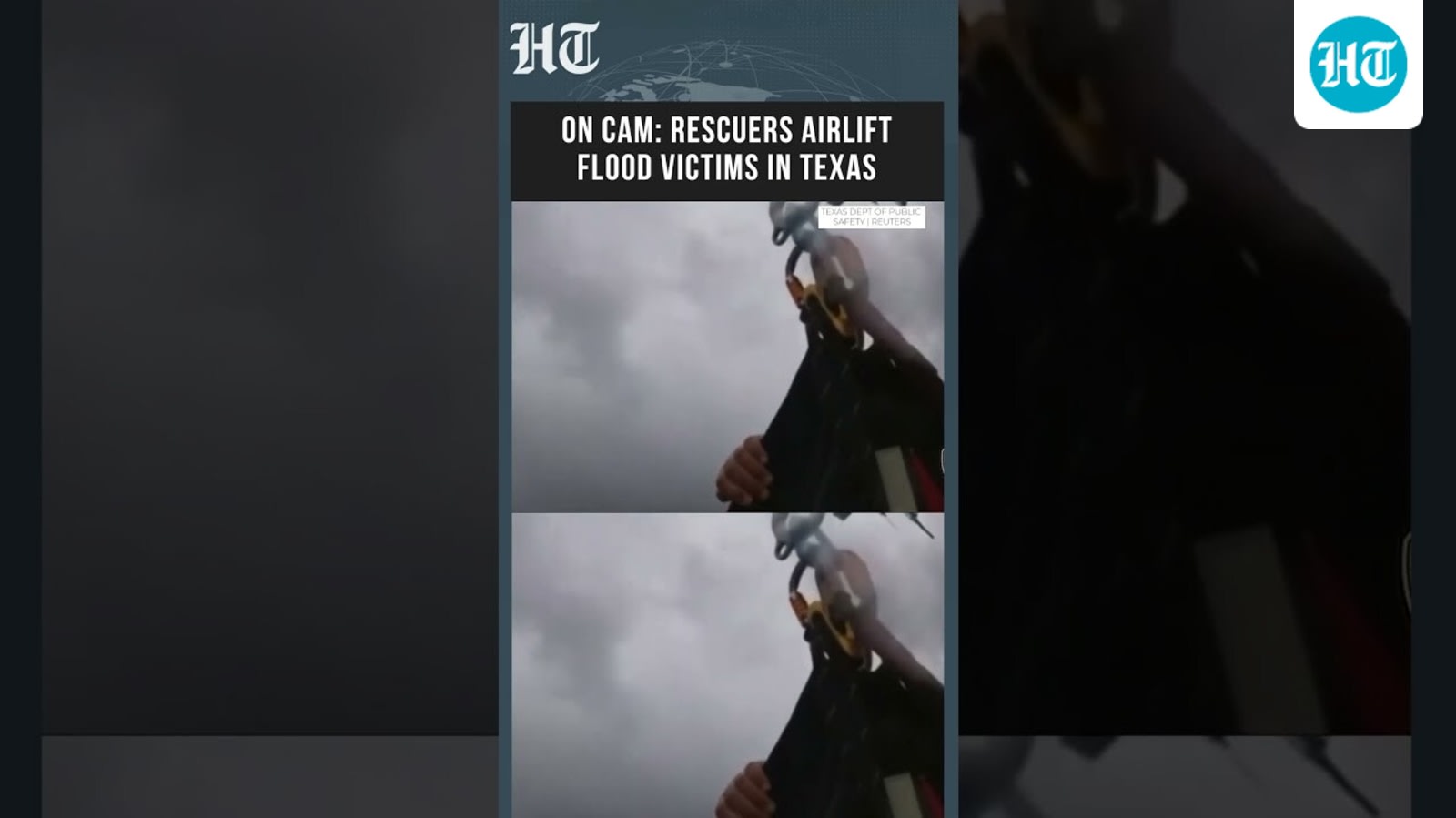
Bodycam footage has revealed dramatic airlift rescue operations in Uvalde, Texas, following severe flooding. Emergency crews continue to navigate dangerous waters to save victims as authorities assess the damage.
Analysis of Emergency Rescue Operations in Uvalde, Texas
Recent reports and newly released bodycam footage have brought to light the harrowing conditions faced by both residents and first responders in Uvalde, Texas. The footage captures a series of dramatic airlift rescues, highlighting the extreme measures necessary to extract flood victims from areas where ground transportation became impossible. This event underscores the volatility of severe weather patterns in the region and the critical importance of rapid-response aerial capabilities during natural disasters.
The Role of Technology in Emergency Documentation
The use of body-worn cameras (BWCs) during these rescue operations provides more than just a dramatic visual record; it offers a transparent look at the logistical challenges faced by first responders. By capturing the navigation of dangerous floodwaters in real-time, these recordings serve as vital tools for post-incident analysis. For emergency management agencies, this footage allows for the evaluation of rescue tactics and the identification of specific environmental hazards that hindered operations, ultimately helping to refine future disaster response protocols in flood-prone areas.
Logistics of Aerial Extraction in Flood Zones
When severe weather affects multiple communities simultaneously, as seen in this instance, traditional rescue methods—such as boats or high-water vehicles—may be insufficient due to the speed of rising water or the presence of debris. The decision to utilize airlift rescues indicates that the floodwaters had reached a critical depth or velocity, rendering ground-based evacuation unsafe. These operations require precise coordination between ground spotters and pilots to ensure the safety of both the victims and the crew amidst unstable weather conditions.
Regional Vulnerability to Severe Weather
Texas is historically susceptible to flash flooding due to its diverse geography and the frequency of intense storm systems. The situation in Uvalde is reflective of a broader pattern where sudden, heavy precipitation overwhelms local drainage systems and natural waterways. Such events often lead to a cascading effect, where multiple communities are impacted at once, stretching the resources of local emergency services and necessitating the deployment of state or federal airlift assets to manage the scale of the crisis.
Monitoring and Damage Assessment Phases
As the immediate rescue phase continues, authorities have shifted focus toward monitoring rising water levels and conducting comprehensive damage assessments. This phase is critical because floodwaters often remain dangerous long after the rain stops, posing risks of contamination, structural collapse, and secondary flooding. The systematic assessment of damage allows officials to prioritize the restoration of critical infrastructure and determine the extent of the economic and residential loss within the affected Uvalde communities.
Conclusion
The airlift operations in Uvalde represent a successful intersection of bravery and tactical execution. While the bodycam footage emphasizes the danger of the environment, it also demonstrates the effectiveness of integrated emergency responses. As authorities continue to monitor the situation and assess the wreckage, the focus will likely shift toward long-term resilience and improving early warning systems to mitigate the impact of future severe weather events in the region.
Verification Required?