CBI files chargesheet against 13 accused in NEET-UG paper leak case; hearing tomorrow
Source Entity
PRIYANKA JAISWAL
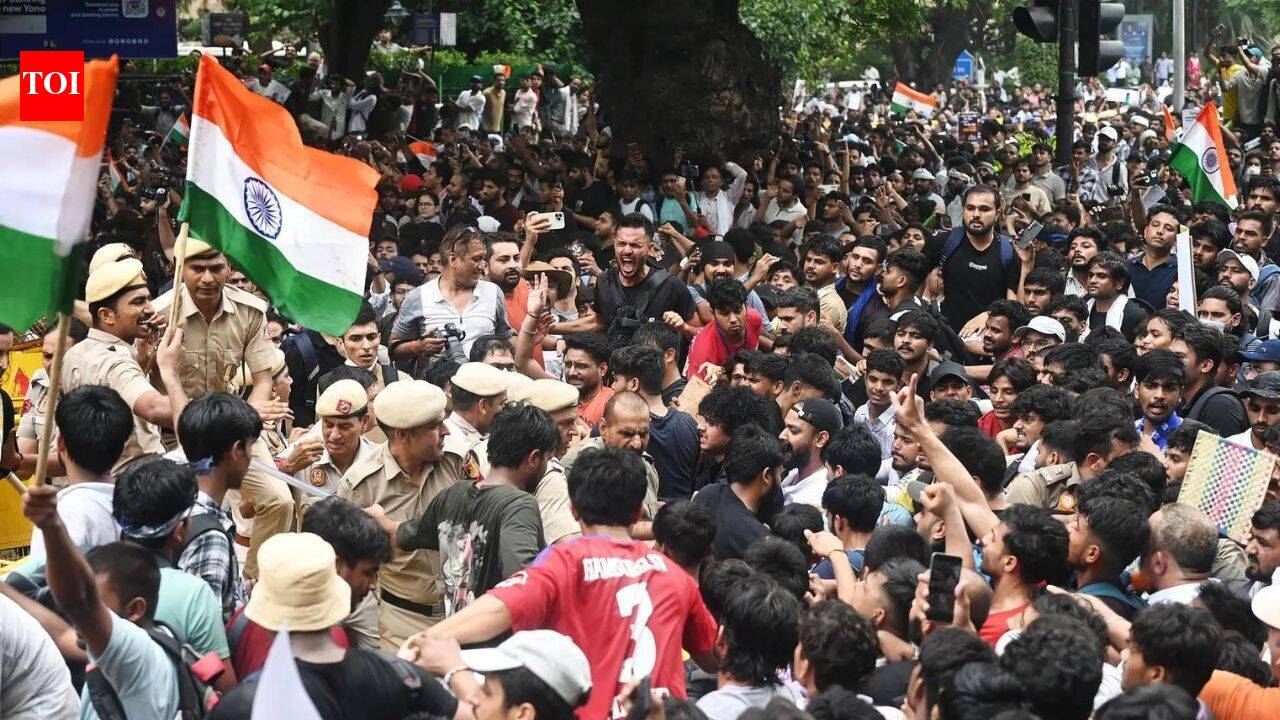
The CBI has filed a chargesheet against 13 individuals involved in the NEET-UG paper leak scandal. This legal action follows the cancellation of the initial May 3 exam and a subsequent retest held in June.
The NEET-UG Scandal: CBI Chargesheet Marks Key Legal Milestone
The Legal Progression of the NEET-UG Case
The Central Bureau of Investigation (CBI) has officially filed a chargesheet against 13 accused individuals in the NEET-UG paper leak case. This development, submitted to the Rouse Avenue Court in Delhi, represents a significant step in the ongoing investigation into the integrity of one of India's most important medical entrance examinations. The case is set for a hearing before a special fast-track court, signaling the government's intent to expedite justice in a matter that has deeply impacted the academic future of millions.
Complexity of Charges and Statutory Framework
The scale of the alleged criminal activity is reflected in the breadth of legal provisions invoked. The CBI has charged the accused under the Bharatiya Nyaya Sanhita (BNS), 2023, alongside the Prevention of Corruption Act, 1988, and the Public Examinations (Prevention of Unfair Means) Act, 2024. The inclusion of the 2024 Act, specifically designed to curb malpractice in public examinations, underscores the legislative response to the systemic vulnerabilities exposed by this leak.
Investigating the Chain of Influence
According to the details provided by the investigation, the breach allegedly originated from within the National Testing Agency (NTA) hierarchy. Reports suggest that P.V. Kulkarni, an NTA panel member and translator, is accused of leaking the questions. The chain of transmission allegedly extended to individuals like Shivraj Motegaonkar, who operated a coaching institute in Latur, and Manoj Bhagwanrao Shirure, whose hospital premises were reportedly used to facilitate the illicit access. This nexus between educational administrators and private coaching interests highlights the critical security risks inherent in the current examination logistics.
Impact on Millions of Aspirants
The magnitude of this crisis is underscored by the sheer number of participants; over 22.7 lakh students sat for the original NEET-UG exam on May 3. The subsequent discovery of the leak led to the cancellation of the exam on May 12, forcing a massive logistical undertaking to conduct a retest on June 21. While the results were eventually declared on July 16, the psychological and academic toll on students remains a point of national concern.
Broader Implications and Future Trends
As legal proceedings continue, the case has sparked broader debates regarding the governance of high-stakes testing in India. The simultaneous news of bail petitions in other regions, such as Assam, where the state government has reviewed cases related to protests, shows that the fallout is not just legal but also socio-political. Moving forward, the focus will likely remain on the efficacy of the new anti-cheating laws and whether they can effectively deter future breaches in a high-pressure, high-competition examination environment.
Multiple Citing Sources