‘Here until death...’: Ceuta’s stranded migrants dare Europe to push them back into Morocco
Source Entity
Latest News: Todays Latest News Headlines from India & World | Hindustan Times | Hindustan Times
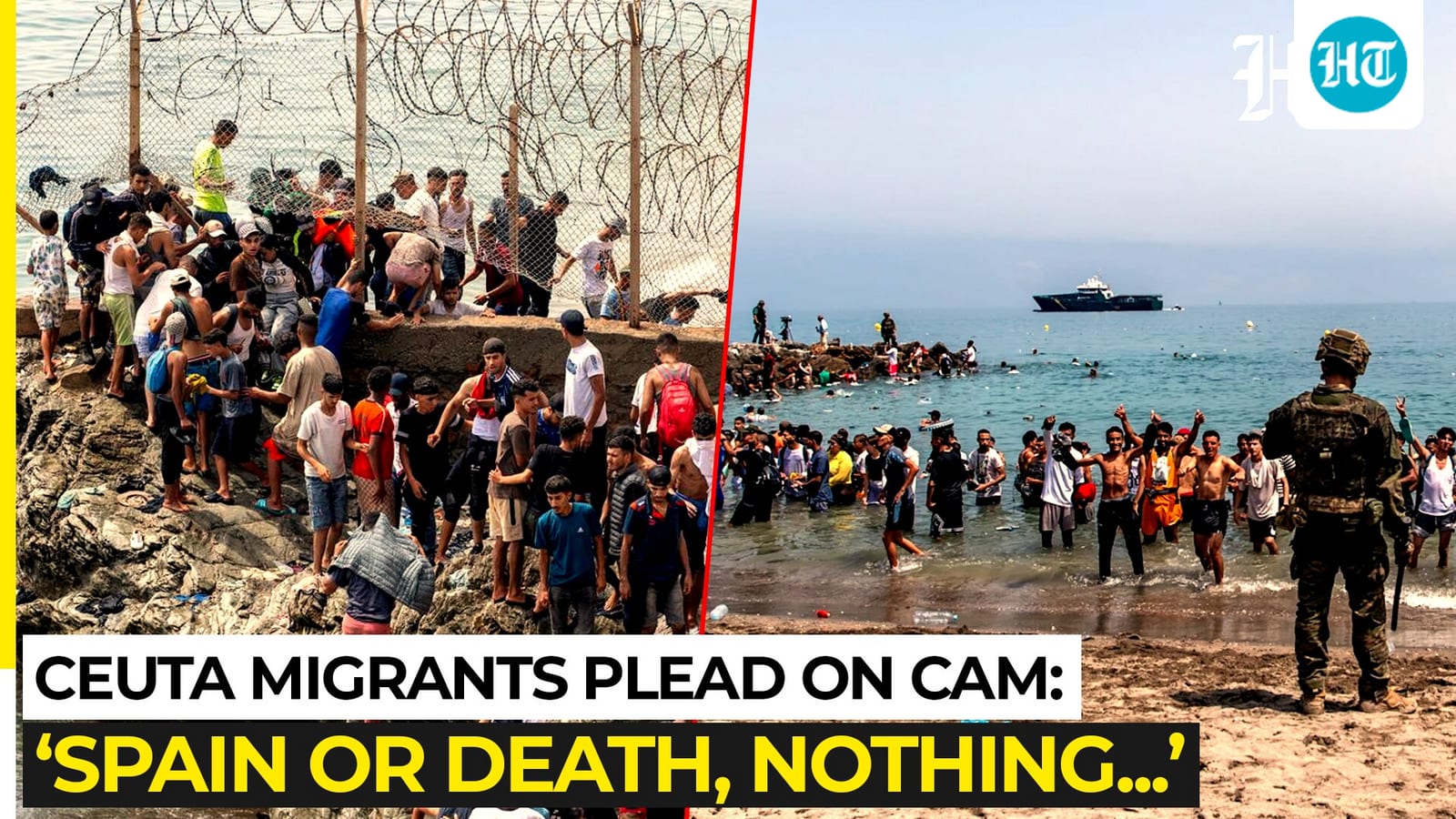
The Spanish enclave of Ceuta is facing a severe migration crisis, with local leaders accusing Morocco of facilitating mass border crossings. Thousands of migrants remain stranded as Spain and the EU grapple with the geopolitical tensions surrounding these key land borders.
The Ceuta Border Crisis: A Geopolitical Flashpoint
The Spanish enclave of Ceuta, a small territory located on the North African coast, has recently become the epicenter of a profound humanitarian and political crisis. Reports indicate a massive surge of individuals attempting to enter European territory, prompting accusations from local leaders that the influx was not merely a spontaneous migration event but an action "if not orchestrated, at least encouraged or permitted by Morocco." This accusation reflects deep-seated tensions regarding border management and territorial integrity between Spain and its North African neighbor.
The Scale of the Influx
The sheer volume of the migration attempt has overwhelmed the city, which typically hosts a population of around 84,000 residents. Spanish interior ministry data highlights the magnitude of the situation, noting that approximately 50,000 people arrived in a very short span, with the vast majority—nearly 48,300 individuals—subsequently returned to Morocco. The intensity of this movement has placed immense strain on local infrastructure, reception centers, and security forces, sparking a wider political debate within the European Union regarding the security of its southern external borders.
Historical Precedents and Strategic Importance
Ceuta and the neighboring enclave of Melilla hold unique status as the European Union’s only land borders with Africa, making them perpetual focal points for migration routes. This is not an isolated occurrence; historical data shows that in 2021, approximately 8,000 migrants entered Ceuta in a similarly compressed timeframe. These recurrent surges underscore the persistent nature of the challenge, as migrants continue to seek better opportunities and a new life in Europe despite the perilous conditions of the journey and the legal barriers they face upon arrival.
Humanitarian and Geopolitical Implications
The human cost of this migration route is devastating. Reports indicate that thousands have attempted to reach the enclave by swimming, with tragic consequences, including dozens of fatalities. The desperation of those stranded—living in difficult conditions near roadsides and border areas—highlights the failure of current policy frameworks to address the root causes of migration. Furthermore, leaders like Juan Jesús Vivas have characterized the situation as an "atrocity," linking the migration flows to broader geopolitical disputes, including the complex status of the Western Sahara region.
Future Trends and EU Response
Looking forward, the situation in Ceuta serves as a cautionary tale for the European Union. The crisis highlights the vulnerability of member states that serve as the physical frontline of the bloc. As Spain and the EU continue to manage registration and security, the reliance on bilateral cooperation with Morocco remains a contentious and fragile necessity. Future stability will likely depend on whether diplomatic channels can address the underlying political friction while simultaneously establishing a more humane and sustainable approach to managing the migration pressures that define these unique border territories.
Verification Required?