US Immigration authority's Green Card update: EB-1 visa category may become unavailable
Source Entity
TOI TECH DESK
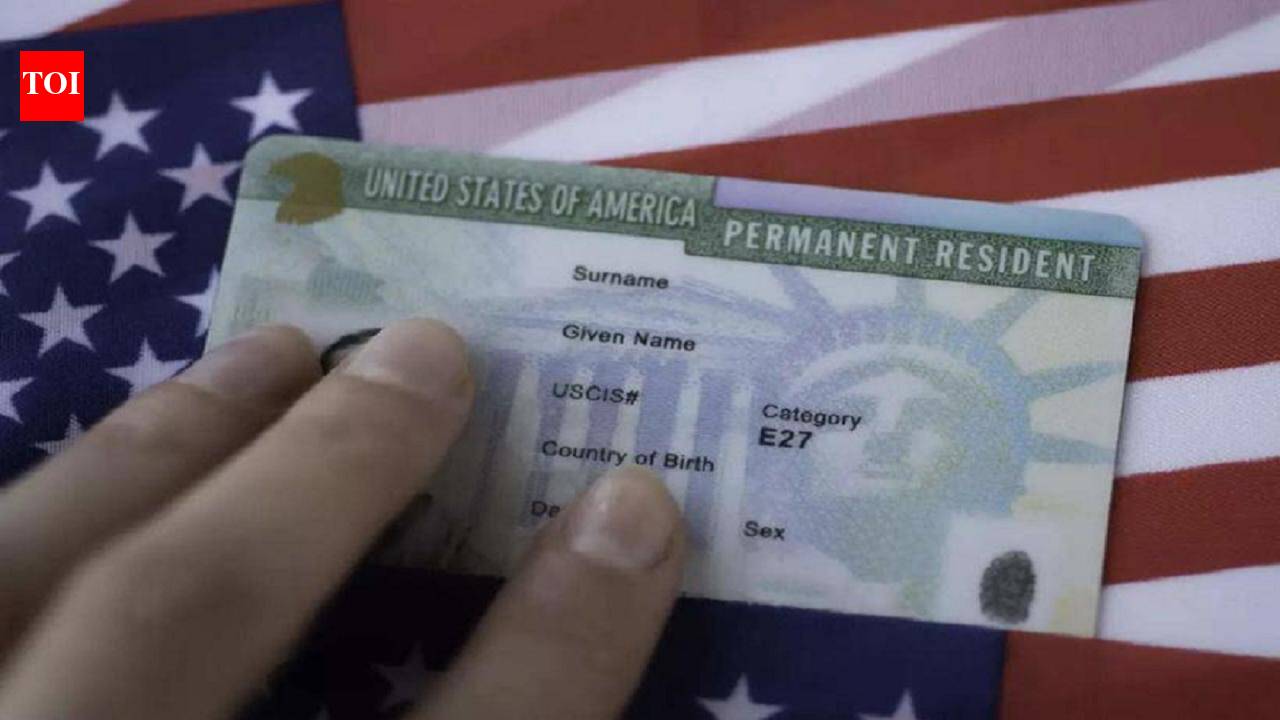
The US State Department has warned that the EB-1 visa category for India may become unavailable due to high demand. This potential suspension, following the existing unavailability of the EB-2 category, reflects the strain on US immigration quotas for Indian nationals.
The Impending EB-1 Visa Freeze: An Analysis of US Immigration Dynamics
The United States Department of State has issued a critical warning regarding the Employment-Based First Preference (EB-1) visa category for applicants chargeable to India. As the fiscal year approaches its conclusion on September 30, surging demand has brought the program to a precarious threshold. Should the current rate of visa usage persist, the government may be forced to declare the category 'unavailable,' effectively halting the processing of new green cards for this high-priority group.
Understanding the EB-1 Category
To grasp the gravity of this situation, one must understand the prestige and specificity of the EB-1 category. This visa is reserved for 'priority workers,' including individuals with extraordinary abilities in the sciences, arts, education, business, or athletics. It also encompasses outstanding professors, researchers, and certain multinational managers and executives. By design, these are individuals deemed vital to the US economy and intellectual landscape, making any disruption in their immigration pathway a significant concern for both employers and the global talent pool.
The Mechanics of 'Unavailability'
When the State Department labels a visa category as 'unavailable,' it signifies that the annual statutory limit for that specific country has been met. Because the US immigration system imposes per-country caps, high-demand nations like India frequently hit these ceilings long before others. With the EB-2 category for India already marked as unavailable in the August bulletin, the potential closure of the EB-1 pipeline suggests a broader systemic bottleneck that limits the inflow of high-skilled labor into the American workforce.
Historical Context and Structural Challenges
The current situation is not an isolated incident but a reflection of a long-standing structural deficit in the US employment-based immigration system. The per-country limit, established decades ago, has failed to keep pace with the modern global economy where talent is increasingly concentrated in specific regions. For Indian professionals, who often face multi-year wait times, reaching the 'final action date'—which for EB-1 currently stands at October 15, 2022—is a benchmark of both patience and competitive struggle.
Broader Economic and Professional Implications
The potential suspension of EB-1 visas carries significant implications for US-based multinational corporations. Companies that rely on the seamless transfer of executives and the retention of world-class researchers may face operational instability. If these experts cannot secure permanent residency, the uncertainty regarding their legal status may drive top-tier talent to seek opportunities in more immigration-friendly jurisdictions, potentially undermining the competitive edge of American firms in sectors like technology and medicine.
Future Trends and Outlook
Looking ahead, the volatility of the visa bulletin will likely continue to dominate the discourse on US immigration policy. As officials monitor the situation and prepare for the new fiscal year, applicants should expect continued unpredictability. Unless there is legislative reform to address the per-country caps or increase the annual visa allotments, the cycle of 'unavailability' will persist as a recurring barrier, forcing businesses to rethink their talent mobility strategies to mitigate the risks posed by these bureaucratic constraints.