'Will do whatever is necessary': India after Pak deploys 250 Chinese Howitzers
Source Entity
YASHASVI VASISTHA
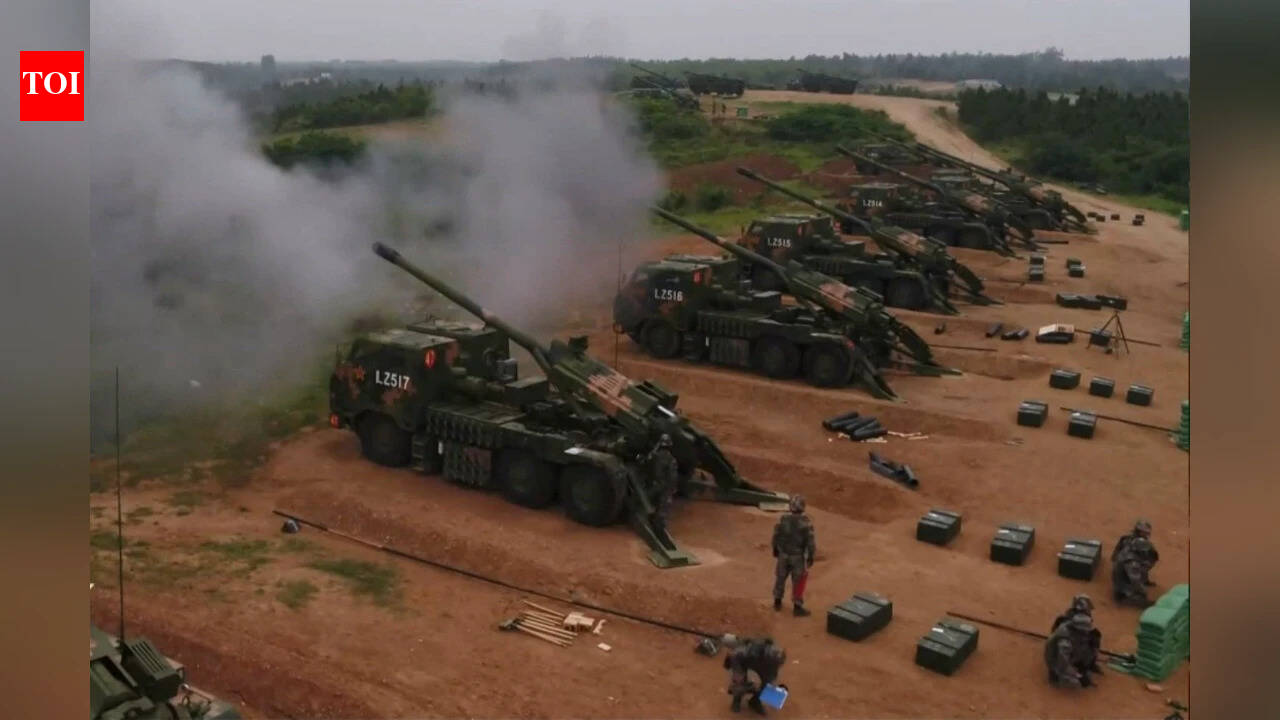
India has vowed to protect its national interests following Pakistan's deployment of 250 Chinese-made SH-15 artillery systems. The move coincides with heightened border tensions, including drone sightings in Kathua and ongoing anti-terror operations in the region.
Tensions Escalate: The Strategic Shift on the India-Pakistan Border
The Deployment of SH-15 Artillery
Recent intelligence reports indicating that Pakistan has deployed approximately 250 Chinese-made SH-15 self-propelled howitzers along the border with India mark a significant shift in the regional military balance. The SH-15, a 155mm truck-mounted artillery system, offers high mobility and rapid-strike capabilities, providing Pakistan with a modern asset designed for quick deployment in rugged terrain. This move is viewed by New Delhi as a provocative escalation, prompting a firm response from the Ministry of External Affairs, which stated that India will take all necessary measures to safeguard its national interests.
Border Volatility and Security Challenges
The deployment of these artillery systems occurs against a backdrop of increasing instability along the International Border and the Line of Control. In the Kathua district, the recent sighting of a Pakistani drone—coupled with the recovery of an unexploded mortar shell—underscores the multifaceted nature of the security threat. These incidents are not isolated; they occur alongside massive, ongoing anti-terror operations in the Poonch district, where security forces are actively working to neutralize threats and maintain territorial integrity amidst a persistent atmosphere of heightened tension.
Diplomatic Friction and Regional Governance
Beyond hardware deployments, the diplomatic climate remains strained. India has openly criticized recent elections held in Pakistan-occupied Jammu and Kashmir, labeling the process a "farce" and citing evidence of civilian casualties during crackdowns in the region. This rhetorical friction reflects the deeper, unresolved political disputes that continue to prevent a normalization of relations between the two nuclear-armed neighbors. By highlighting these human rights concerns, India is framing its military posture not just as a defensive necessity, but as a commitment to regional stability.
Modernization and Strategic Arms Races
Both nations are currently engaged in intensive efforts to modernize their artillery capabilities. While Pakistan leverages its strategic partnership with China to secure advanced weaponry like the SH-15, India is simultaneously upgrading its own domestic and imported artillery inventories to ensure parity and deterrence. This arms race is a symptom of a broader strategic competition that forces both countries to constantly re-evaluate their defensive postures based on the technological advancements of their counterpart.
Future Implications for Regional Security
Looking ahead, the integration of advanced artillery and persistent surveillance technology, such as drones, suggests that the border in Jammu and Kashmir will remain a flashpoint for the foreseeable future. The combination of hardware upgrades and the ongoing anti-terror operations indicates that security forces on both sides are preparing for a protracted period of high-alert status. As India maintains its stance of doing "whatever is necessary" to defend its borders, the risk of miscalculation remains a primary concern for international observers monitoring the South Asian security architecture.