Cyberabad Police advise staggered early office departures on August 3 amid heavy rain forecast
Source Entity
India Latest News: Top National Headlines Today & Breaking News | The Hindu
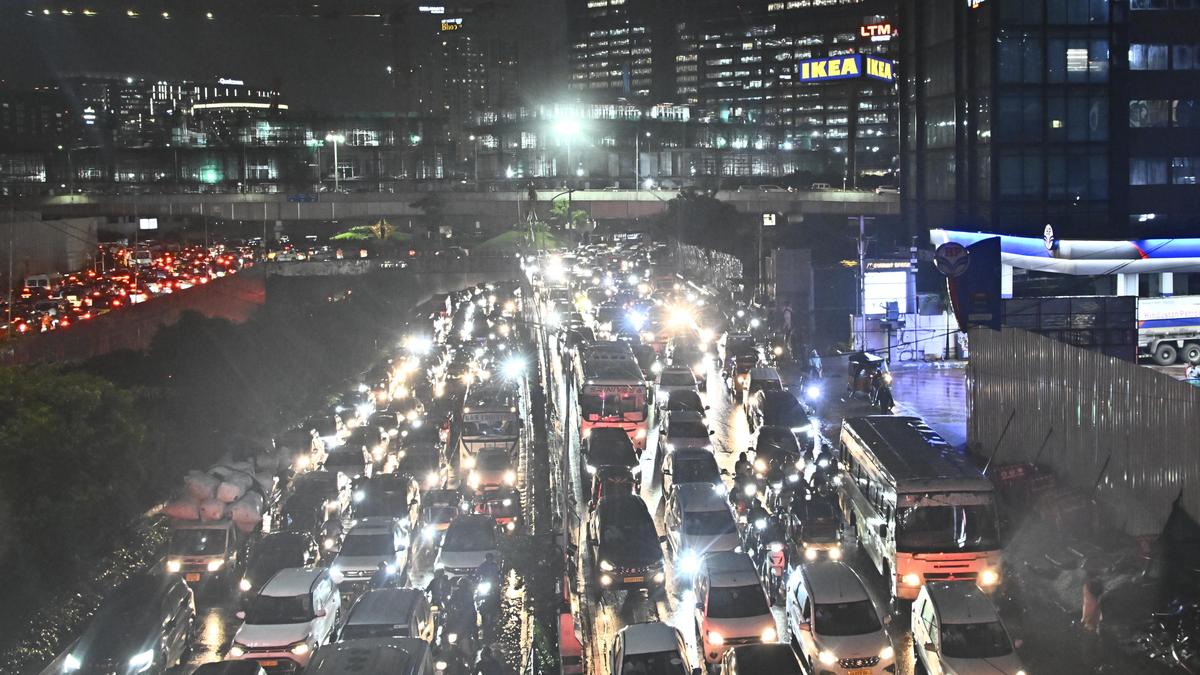
Cyberabad Police have issued a traffic advisory urging companies to implement staggered employee departures on August 3. This measure aims to mitigate heavy traffic congestion and ensure emergency vehicle access during forecasted intense rainfall.
Proactive Traffic Management in Cyberabad Amid Weather Alerts
On August 3, 2026, the Cyberabad Traffic Police issued a strategic advisory directed at corporate entities and organizations within the region. In response to meteorological forecasts predicting moderate to heavy rainfall, authorities have requested that employers implement staggered departure times for their workforce. This directive, issued by the Office of the Joint Commissioner of Police (Traffic), serves as a preemptive measure to manage the anticipated strain on the city’s transportation infrastructure during inclement weather.
The Logic Behind Staggered Departures
The primary objective of this advisory is to redistribute peak-hour traffic volume. By requesting that organizations initiate staggered logouts beginning at 3:30 p.m., the police aim to prevent the simultaneous convergence of thousands of commuters onto major roadways. Historically, heavy rainfall in urban centers like Cyberabad often leads to waterlogging and visibility issues, which drastically slow down traffic flow. Spreading out the departure times is a proven logistical strategy to reduce the density of vehicles on the road, thereby minimizing the probability of gridlock.
Prioritizing Public Safety and Emergency Response
A critical component of this advisory is the preservation of corridors for emergency services. During heavy rain, the risk of accidents and medical emergencies increases, necessitating swift movement for ambulances, fire trucks, and police response units. By clearing arterial roads of unnecessary congestion, the police ensure that these vital services can navigate the city without being trapped in traffic bottlenecks. This approach reflects a broader trend in urban disaster management: prioritizing the functionality of essential infrastructure over standard commuting convenience.
Contextual Challenges of Urban Infrastructure
Cyberabad, as a major technological and industrial hub, faces unique challenges during extreme weather. The concentration of large office campuses means that a sudden influx of vehicles onto the road during a weather event can lead to systemic failure of local traffic networks. The police advisory acts as a vital communication bridge between municipal authorities and the private sector, fostering a collaborative approach to public safety. This coordination is essential for maintaining order in a high-density urban environment where infrastructure is often pushed to its limits by sudden climatic shifts.
Broader Implications and Future Trends
This incident highlights a shift toward more dynamic, data-driven traffic management. As weather forecasting becomes more precise, local authorities are increasingly utilizing advisory notices to influence behavioral patterns before a crisis occurs. Looking forward, we can expect such proactive measures to become standard practice in major metropolitan areas. Integrating corporate cooperation into traffic management strategies not only enhances road safety but also builds institutional resilience against the unpredictable nature of climate-related disruptions in rapidly expanding urban centers.
Verification Required?