China has been buying the gold dip, and these analysts say a comeback is brewing
Source Entity
Jules Rimmer
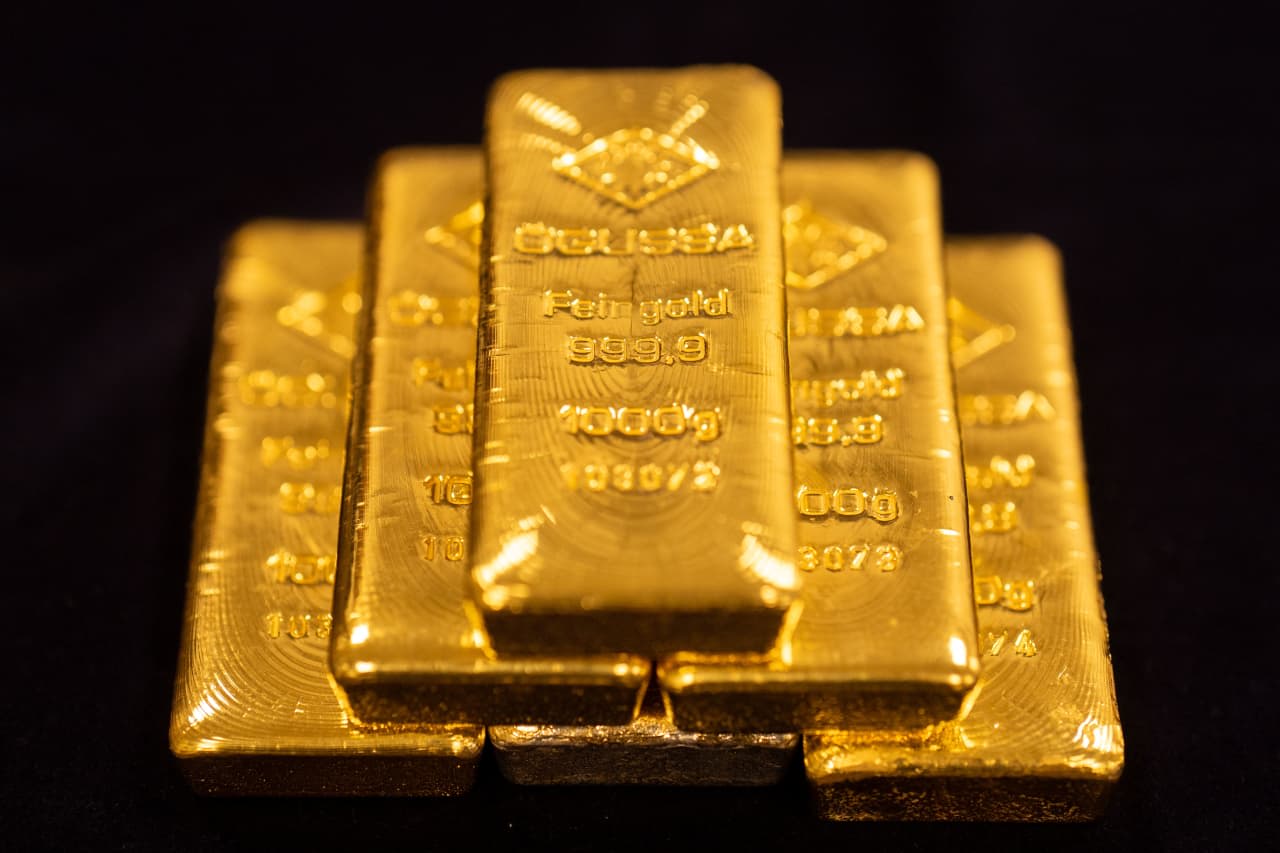
China's consistent accumulation of gold during price dips has emerged as a reliable indicator for global market trends. Analysts suggest this strategic buying behavior signals a potential recovery and strengthens gold's role as a key investment asset.
The Strategic Significance of China's Gold Accumulation
For several years, the People's Bank of China and various institutional investors within the nation have utilized price dips in the gold market as strategic entry points. This methodical approach to wealth preservation and reserve diversification has transformed China’s buying patterns into a primary barometer for global precious metal valuations. By consistently acquiring gold when market sentiment turns bearish, China effectively sets a floor for the metal's price, signaling confidence to other central banks and institutional investors worldwide.
Analyzing the 'Buy the Dip' Investment Signal
The phenomenon of 'buying the dip' in the gold sector is not merely a reactionary measure; it is a calculated effort to hedge against currency volatility and geopolitical uncertainty. When China increases its gold reserves during periods of price stagnation or decline, it provides a critical signal to the broader market that the asset remains undervalued relative to its long-term utility. Analysts tracking these trends have observed that these buying phases often precede broader market recoveries, making the Chinese strategy a highly watched indicator for commodity traders.
Geopolitical Implications and Reserve Diversification
Beyond simple investment logic, China’s gold buying is deeply intertwined with its broader economic policy of de-dollarization. By increasing its physical gold holdings, China reduces its reliance on foreign fiat currencies, particularly the U.S. dollar, thereby insulating its national reserves from potential sanctions or fluctuations in global monetary policy. This shift reflects a long-term strategic pivot toward tangible assets that hold intrinsic value regardless of the performance of sovereign debt markets.
Historical Context and Market Influence
Historically, central bank gold purchases act as a stabilizing force. China's move to bolster its reserves mirrors a global trend where emerging economies seek to fortify their balance sheets. Because China is one of the world's largest consumers and producers of gold, its domestic market activity carries significant weight. When the state-led accumulation intensifies, it creates a supply-demand imbalance that often drives prices upward, reinforcing the 'comeback' narrative discussed by market analysts.
Predicting Future Trends in the Gold Market
Looking ahead, the synergy between Chinese buying habits and global gold prices suggests that the metal will continue to serve as a 'safe haven' asset. As global inflation concerns persist and central banks continue to navigate complex monetary environments, the sustained interest from a major economic power like China ensures that gold remains a foundational component of diversified portfolios. If current patterns persist, the market should expect continued volatility that favors institutional buyers who are prepared to capitalize on short-term price adjustments.
Conclusion
In summary, China’s consistent history of buying gold during price dips is more than a financial strategy; it is a profound indicator of the metal's enduring value in the 21st century. As analysts look for signs of market maturity and recovery, the data points provided by Chinese purchasing activity remain among the most reliable signals available to investors. Moving forward, the interplay between state-level accumulation and global market sentiment will likely dictate the next phase of gold's price trajectory.
Verification Required?