Novo Nordisk sues Eli Lilly, alleging misleading GLP-1 advertising
Source Entity
US Top News and Analysis
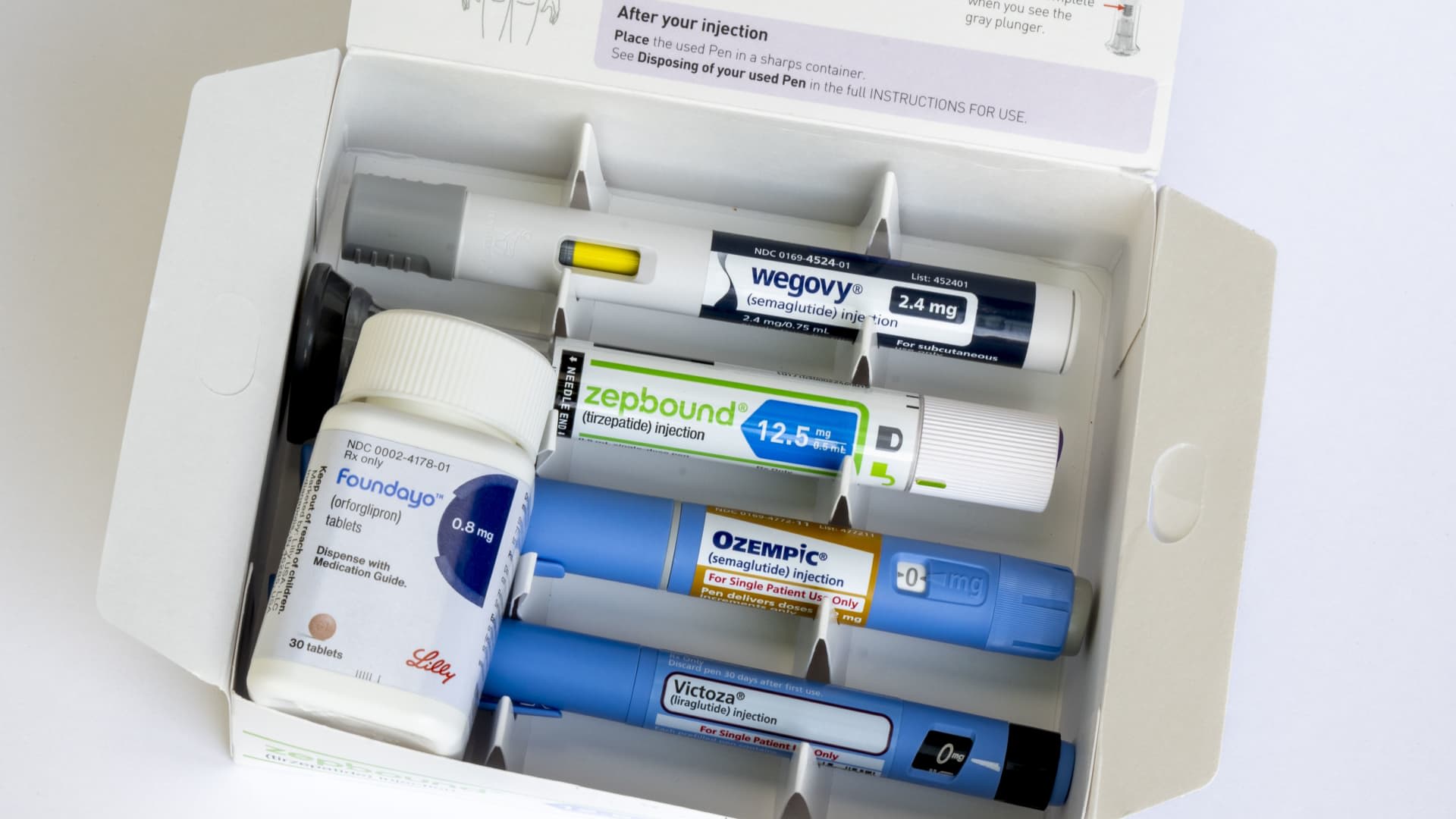
Novo Nordisk has filed a lawsuit against Eli Lilly, accusing the company of using misleading advertisements to promote its GLP-1 drugs. The suit claims Lilly uses outdated clinical data to falsely suggest its products are superior to Novo Nordisk's offerings.
The GLP-1 Marketing War: Novo Nordisk vs. Eli Lilly
The Legal Escalation
In a significant escalation of the competition within the pharmaceutical industry, Novo Nordisk has officially filed a lawsuit against Eli Lilly. This legal action targets Eli Lilly’s recent nationwide advertising campaigns, which Novo Nordisk characterizes as "deceptive." At the heart of the dispute is the marketing strategy employed by Eli Lilly to promote its blockbuster obesity and diabetes medications, which Novo Nordisk alleges are intentionally misleading consumers regarding the relative efficacy of rival GLP-1 (glucagon-like peptide-1) injections.
The Core of the Dispute: Data Integrity
Novo Nordisk’s primary grievance centers on the clinical data cited in Eli Lilly's promotional materials. According to the lawsuit, Eli Lilly has relied on what Novo Nordisk deems "outdated" clinical trials. By comparing the highest doses of Lilly’s products to lower, earlier doses of Novo Nordisk’s portfolio, the ads create a skewed perception of performance. This comparison fails to account for the evolving landscape of weight-loss treatments, specifically ignoring the recent market entry of newer, high-dose versions of Novo Nordisk’s Wegovy.
Ignoring Market Innovation
Since the introduction of its new high-dose Wegovy in March, Novo Nordisk argues that the clinical efficacy of its product is much more comparable to the results seen in Eli Lilly’s offerings. By omitting this recent evidence from its advertising, Eli Lilly is accused of leading consumers to the "inevitable conclusion" that their drugs are inherently superior. This omission is the crux of Novo Nordisk’s argument: that the public is being presented with a false hierarchy of drug performance based on cherry-picked, historical data rather than current clinical reality.
Demanding Accountability
Novo Nordisk is seeking a definitive legal remedy to address what it views as a distortion of market competition. The company has requested that the court issue a permanent injunction to stop the dissemination of these ads. Furthermore, they are demanding that Eli Lilly be required to issue corrective advertising to rectify the potential misinformation provided to patients and healthcare providers. This move underscores the high stakes involved in the multibillion-dollar obesity drug market, where brand perception directly influences prescribing patterns.
Broader Implications and Future Trends
This lawsuit reflects the intense pressure pharmaceutical giants face as they race to dominate the GLP-1 market. As these drugs become household names, the role of direct-to-consumer advertising becomes increasingly scrutinized. This case sets a precedent for how clinical data must be handled in competitive marketing, suggesting that future industry standards may require more rigorous disclosure of evolving clinical trial results to avoid similar litigation. The outcome of this case will likely influence how both companies—and the broader pharmaceutical industry—structure their marketing campaigns for years to come.