Jamie Dimon says markets underestimate risks and he wouldn't buy stocks or Treasurys at current prices
Source Entity
US Top News and Analysis
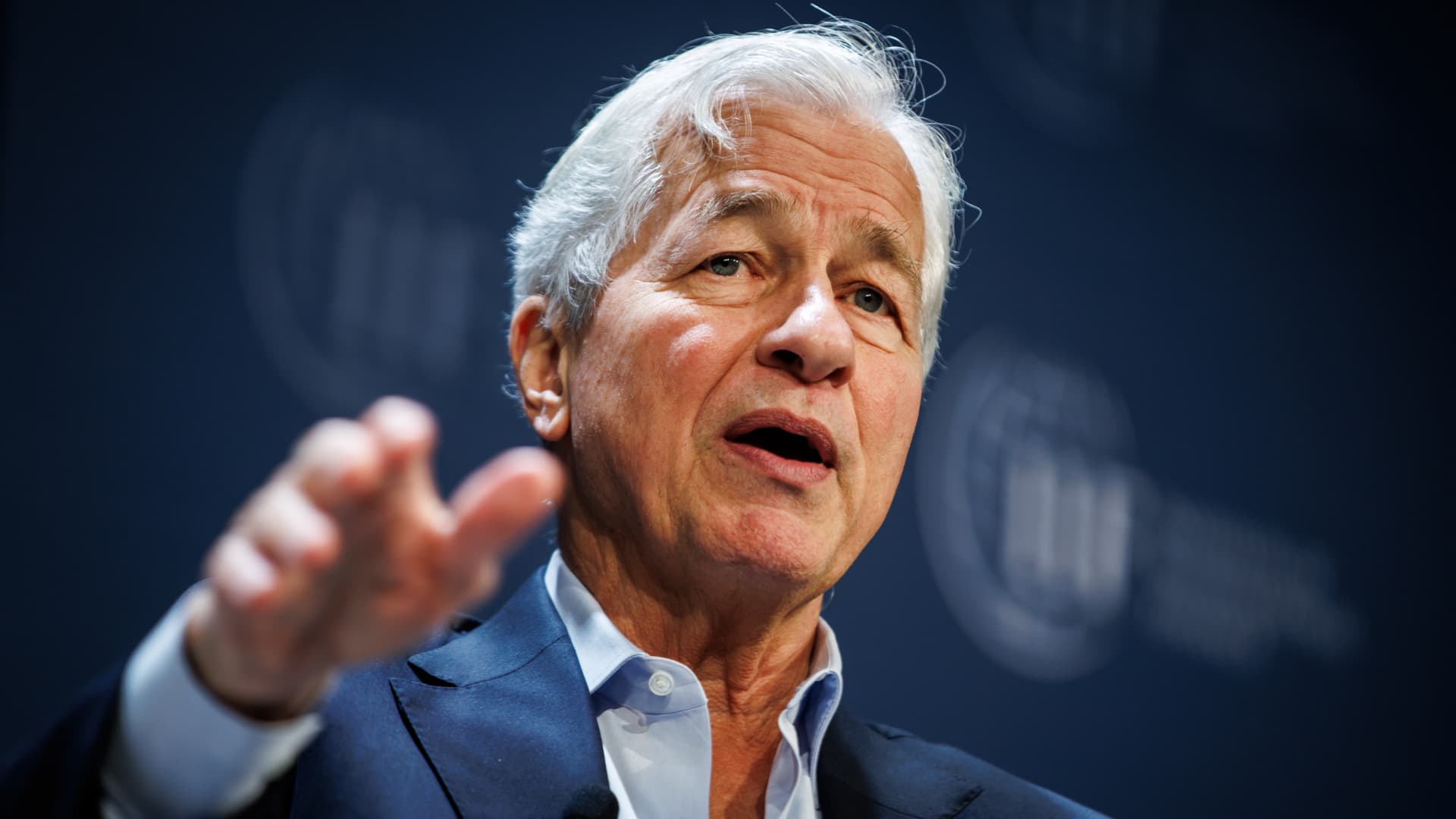
JPMorgan Chase CEO Jamie Dimon has warned that markets are underestimating significant geopolitical and fiscal risks. Consequently, he has advised against purchasing equities or long-dated U.S. Treasurys at current price levels.
Market Skepticism: Jamie Dimon’s Warning on Global Risks
JPMorgan Chase CEO Jamie Dimon has issued a stark warning regarding the current state of global financial markets, suggesting that investors are dangerously complacent. In a recent interview, Dimon explicitly stated that he would refrain from purchasing both equities and long-dated U.S. Treasurys at their current valuations, arguing that market participants are failing to adequately price in the volatility inherent in today’s economic landscape.
The Geopolitical Landscape
Dimon’s primary concern stems from a cascade of geopolitical tensions that he believes could trigger significant market shocks. He specifically highlighted the ongoing conflicts in Ukraine and the Middle East, alongside the hardening of diplomatic and economic relations between the United States and China. These factors, according to Dimon, create an environment of instability that is not currently reflected in the prevailing bullish sentiment of many market participants.
Fiscal Health and Military Spending
The CEO also pointed to the intersection of domestic fiscal policy and international security requirements as a major point of concern. With government deficits continuing to rise, the added pressure of increasing military expenditures creates a precarious fiscal outlook. Dimon’s analysis suggests that the market is ignoring the long-term sustainability of these debt levels, which could eventually lead to higher volatility in the bond markets and broader economic repercussions.
The Illusion of Market Resilience
Investors have recently demonstrated a notable willingness to look past macroeconomic shocks, seemingly treating geopolitical events as transitory rather than structural threats. Dimon challenges this resilience, noting that while it is difficult to determine exactly what risks are 'baked in' to current asset prices, the cumulative weight of these threats is likely being underestimated. His cautious stance serves as a counter-narrative to the prevailing optimism that has pushed equity markets to recent highs.
Implications for Asset Allocation
By explicitly advising against buying equities and long-dated Treasurys, Dimon is signaling a lack of confidence in the risk-reward profiles of traditional asset classes. For institutional and retail investors alike, this commentary serves as a call to re-evaluate exposure to assets that may be vulnerable to sudden, exogenous shocks. If Dimon’s assessment proves correct, the current market calm may be a precursor to a significant correction once the reality of these systemic risks forces a re-pricing event.
Conclusion
Jamie Dimon’s perspective underscores a significant divergence between market performance and the underlying reality of global threats. As the CEO of the largest U.S. bank, his caution carries substantial weight, suggesting that investors should prioritize risk mitigation over aggressive growth in the current climate. His remarks highlight the necessity for a more defensive posture in the face of mounting fiscal and geopolitical instability.