Opinion: Opinion | China May Be Turning Pak Into A Military Nightmare For India
Source Entity
NDTV News Search Records Found 1000
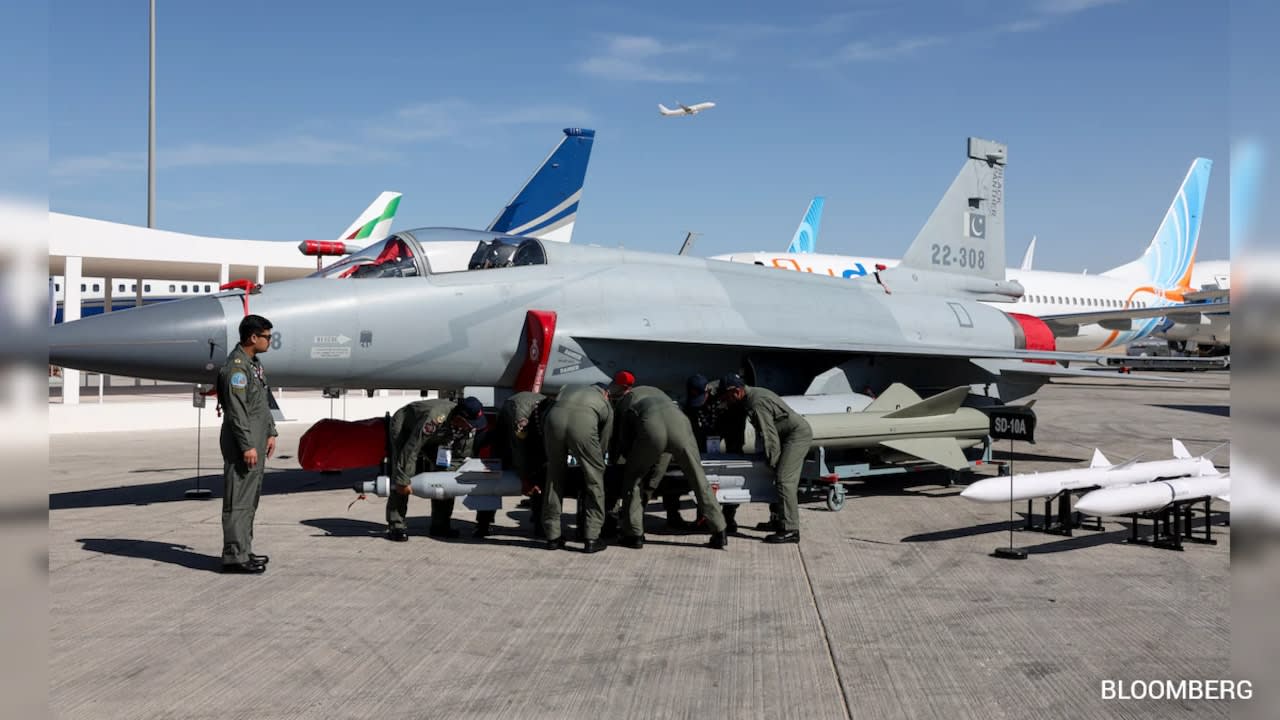
China has evolved from a simple arms supplier to a strategic military partner for Pakistan, creating significant security concerns for India. This emerging nexus signifies a deepening geopolitical alignment that extends well beyond traditional defense procurement.
The Deepening Sino-Pakistani Security Nexus
Recent geopolitical assessments indicate that China has solidified its position as Pakistan’s principal defense supplier, fundamentally altering the security architecture of South Asia. This shift represents a transition from a transactional buyer-seller relationship to a deeply integrated strategic alliance. By consistently arming Islamabad with advanced hardware, Beijing has effectively complicated India's regional security calculus, creating a persistent military challenge along its western borders.
Beyond Traditional Arms Procurement
The most alarming aspect of this developing relationship is that it extends far beyond the mere sale of weaponry. While the provision of fighter jets, naval vessels, and missile technology remains a core pillar, the current nexus involves a broader scope of military cooperation. This includes intelligence sharing, joint training exercises, and potential integration of command-and-control systems, which suggests a level of interoperability that was previously unseen between the two nations.
Strategic Implications for New Delhi
For India, this convergence of interests presents a 'two-front' nightmare that has long been a theoretical concern for defense planners. As China continues to invest heavily in the China-Pakistan Economic Corridor (CPEC) and other infrastructure projects, the military dimension of this partnership becomes increasingly visible. The synergy between Beijing’s technological support and Islamabad’s operational proximity to Indian borders creates a strategic environment where India must allocate significant resources to maintain deterrence.
Historical Context and Evolution
The history of Sino-Pakistani relations has always been defined by a shared strategic interest in balancing Indian influence in the region. Historically, this was limited to regional containment, but today it is part of a larger global power projection strategy. Beijing uses its influence over Pakistan to keep India focused on its immediate neighborhood, thereby limiting New Delhi's ability to project power further into the Indian Ocean or align more aggressively with Western security frameworks.
Future Trends and Regional Stability
Looking ahead, it is highly probable that this nexus will continue to deepen, particularly as global geopolitical competition between China and the United States intensifies. As Beijing seeks to expand its footprint in the Indian Ocean region, Pakistan provides a crucial gateway and a strategic counterweight to India. For policymakers in New Delhi, the future will likely require a pivot toward more sophisticated indigenous defense manufacturing and a strengthening of strategic partnerships to manage the increased pressure from this collaborative military front.
Concluding Summary
In conclusion, the transformation of China from a mere supplier to a primary architect of Pakistan’s military capabilities is a defining shift in modern South Asian politics. The move from hardware provision to a comprehensive strategic nexus necessitates a robust and adaptive response from India. The ongoing integration of these two military powers marks a new chapter of complexity that will likely dictate regional security dynamics for the foreseeable future.
Verification Required?