Guerrilla Bike Lanes: San Francisco Makes Illicit Infrastructure Permanent
Source Entity
Hacker News
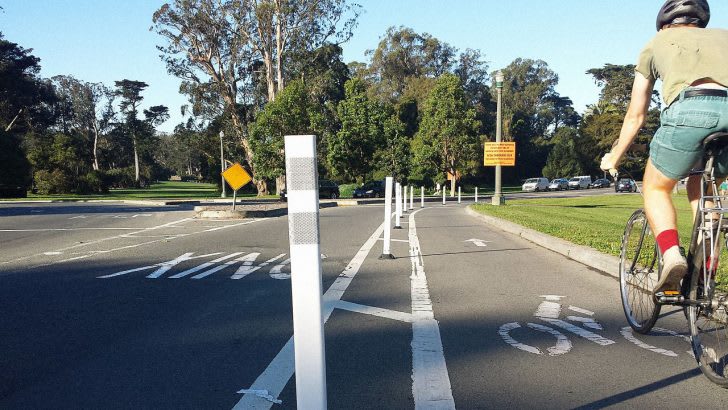
San Francisco officials have officially adopted unauthorized, activist-installed bike lanes following a series of tragic cyclist deaths. This rare move marks a shift in how the city responds to tactical urbanism projects aimed at improving pedestrian and cyclist safety.
The Rise of Tactical Urbanism in San Francisco
In a significant departure from standard municipal procedure, the city of San Francisco has opted to formalize infrastructure initially installed by an anonymous activist group known as the San Francisco Transformation Agency (SFMTrA). Following a summer marred by tragic hit-and-run fatalities involving cyclists, this collective took direct action to address perceived safety failures in the city’s transit network. By installing temporary traffic cones and, subsequently, soft-hit posts near Golden Gate Park, these activists forced a conversation about the pace of government-led infrastructure development.
The Shift from Guerrilla Action to Official Policy
Historically, guerrilla urbanism—often referred to as tactical urbanism—is viewed by city governments as a nuisance or a liability. Such interventions are typically dismantled by municipal crews shortly after discovery. However, the decision to retain the SFMTrA’s installations indicates a rare alignment between grassroots agitation and official urban planning. By choosing to make the infrastructure permanent rather than removing it, the city acknowledges that the demand for protected transit lanes has outpaced the current bureaucratic timeline for road safety improvements.
The Role of the SFMTrA
The SFMTrA, a satirical and functional play on the San Francisco Municipal Transportation Agency (SFMTA), operates as a collective committed to rapid safety improvements. Their methodology relies on low-cost, high-visibility interventions designed to highlight dangerous road conditions. Their emergence is a direct response to the perceived inertia of city government, aiming to accelerate the timeline for protecting vulnerable road users through immediate, albeit illicit, physical changes to the streetscape.
Broader Implications for Urban Infrastructure
This event signals a potential shift in how major metropolitan areas manage the tension between activist-led safety measures and established engineering standards. While municipal authorities often cite liability and design codes as reasons for slow progress, the successful integration of these soft-hit posts suggests that cities may be increasingly willing to bypass traditional procurement and planning hurdles when public pressure reaches a critical threshold. This could set a precedent for other cities where cyclist safety has become a contentious political issue.
Future Trends in City Planning
Looking ahead, the success of this intervention may encourage similar groups across the United States to attempt their own infrastructure projects. If cities continue to validate these unauthorized installations, it could fundamentally alter the relationship between citizens and municipal planning departments. While this offers a faster path to safety, it also raises questions about the future of urban design, specifically regarding who holds the authority to regulate public thoroughfares and how cities will balance civic input with professional engineering oversight.
Conclusion
The formal adoption of the SFMTrA’s bike lanes represents a pivotal moment in the history of San Francisco’s transportation policy. By responding to tragedy with pragmatism rather than enforcement, the city has acknowledged the urgency of the safety crisis. Whether this becomes a sustainable model for urban development or remains an outlier in the face of mounting public pressure, the event underscores the growing power of tactical urbanism to shape the physical world.