China charms world, now more popular than US; Xi tops Trump on trust: Report
Source Entity
TOI WORLD DESK
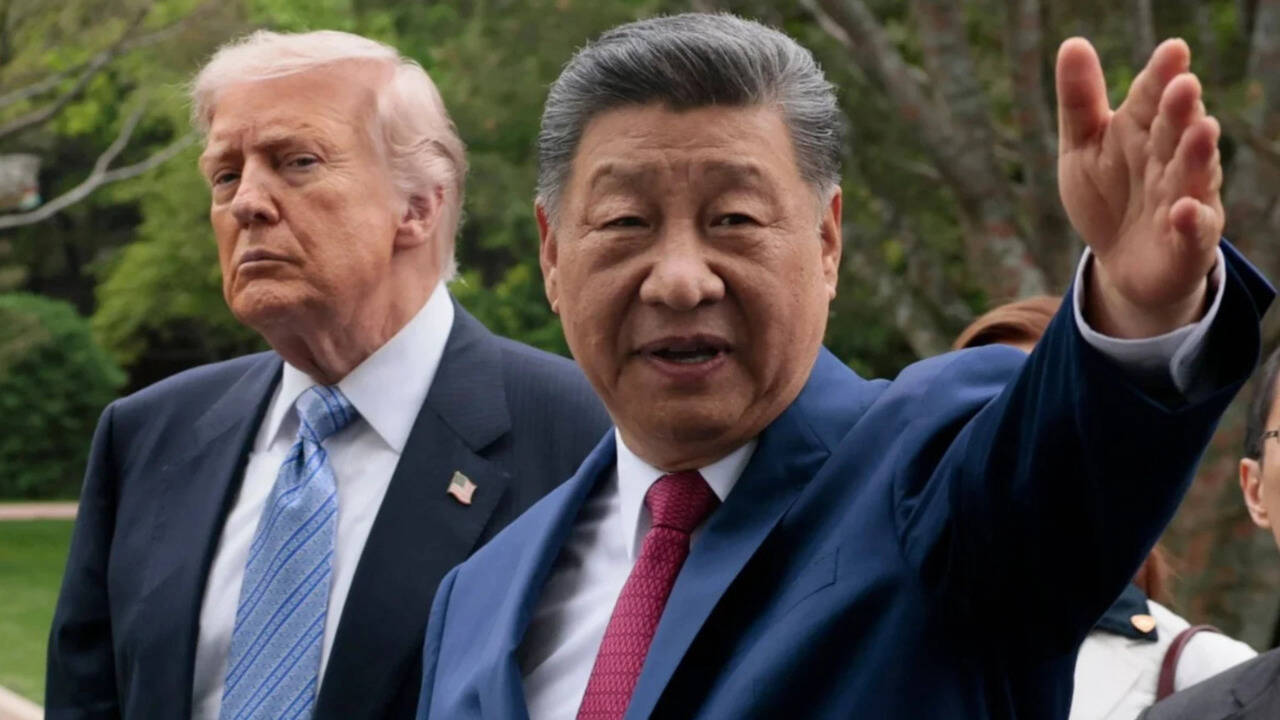
A recent global survey indicates a significant shift in international perception, with China now appearing more popular than the United States. The report highlights that President Xi Jinping commands higher levels of trust globally than Donald Trump, as the US's reputation suffers due to its history of interventionist policies, while its traditional appeal regarding personal freedoms begins to wane.
The Shift in Global Soft Power: Analyzing the Trust Gap Between China and the US
Recent global survey data reveals a provocative shift in the geopolitical landscape, suggesting that China has surpassed the United States in international popularity. This trend is not merely a reflection of economic growth but a complex realignment of 'soft power'—the ability of a country to persuade others through appeal and attraction rather than coercion. The finding that President Xi Jinping is viewed with greater trust than Donald Trump signals a critical juncture in how the world perceives leadership styles and national intentions on the global stage.
The Trust Deficit: Leadership Personified
At the heart of this shift is the comparative trust placed in the heads of state. The report indicates that Xi Jinping has managed to project an image of stability and strategic consistency that resonates in various regions, particularly in the Global South. In contrast, the perception of Donald Trump has often been associated with volatility and an 'America First' approach that, while popular domestically, has frequently alienated traditional allies and neutral nations. This trust gap suggests that international observers are increasingly valuing predictability and long-term diplomatic commitment over the disruptive rhetoric that characterized the Trump era.
The Cost of Interventionism
One of the most analytical drivers of this trend is the global fatigue regarding US interventionist policies. For decades, the United States has positioned itself as the 'global policeman,' frequently engaging in military interventions and regime-change operations to maintain a specific world order. While these actions were framed as promoting democracy, the long-term outcomes in regions like the Middle East have often led to instability. China, conversely, has largely avoided direct military interventionism, focusing instead on infrastructure-led diplomacy and economic partnerships. This perceived restraint makes China appear as a more benign partner to many developing nations, directly contributing to its rising popularity.
The Erosion of the 'Freedom' Narrative
Historically, the United States maintained a dominant lead in global popularity due to its association with personal freedoms, individual rights, and democratic ideals. However, the report notes that this advantage is slowly diminishing. This erosion can be attributed to two factors: the internal political polarization within the US, which has cast doubt on the stability of its democratic institutions, and the increasing efficiency of China's state-led developmental model. As more countries prioritize economic stability and rapid infrastructure growth over Western-style liberal individualism, the 'freedom' narrative loses its singular grip on the global imagination.
Implications for a Multipolar World
This shift in perception is a harbinger of a truly multipolar world. When the world's most powerful economy and military (the US) loses trust, it creates a vacuum that other powers are eager to fill. China's rise in popularity suggests that it is successfully rebranding itself from a regional powerhouse to a global leader capable of offering an alternative to the Washington Consensus. This transition will likely lead to a realignment of trade blocs and security alliances, as nations weigh the benefits of US security guarantees against China's economic incentives and non-interference pledges.
Conclusion: A New Era of Diplomatic Competition
In summary, the current data suggests a profound psychological shift in international relations. The transition of popularity from the US to China is rooted in a rejection of interventionism and a growing skepticism toward the universality of Western democratic norms. While the US still possesses significant systemic advantages, the loss of trust is a strategic vulnerability. Moving forward, the global competition for influence will likely be decided not just by GDP or military hardware, but by which superpower can most convincingly present itself as a trustworthy and respectful partner to the rest of the world.