Raids & kidnapping drills: How Chinese students are prepping for Trump's US
Source Entity
AASHISH SAXENA
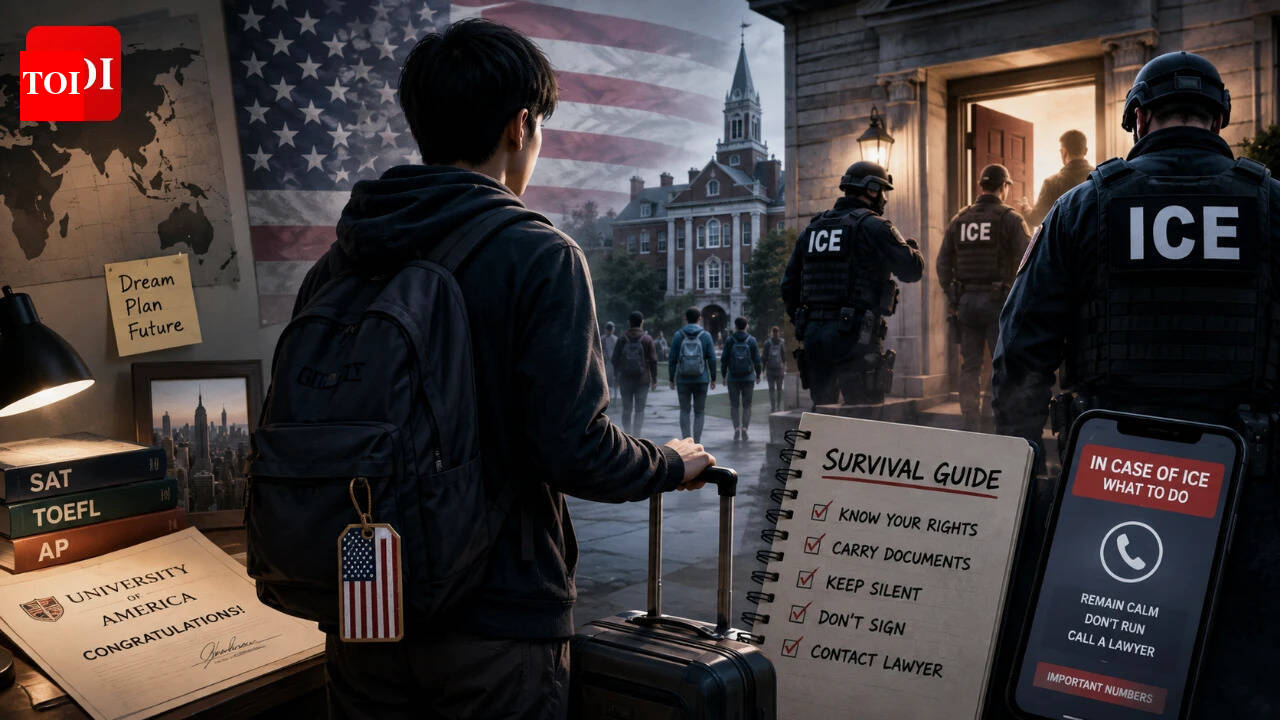
Chinese students are increasingly undergoing survival training to navigate heightened US immigration scrutiny and potential hostility. This shift reflects growing anxiety over visa restrictions, ICE enforcement, and geopolitical tensions impacting the international education experience.
The New Reality for Chinese Students in America
The traditional vision of the 'American Dream' for international students is undergoing a profound transformation. Increasingly, Chinese students planning to attend US universities are undergoing survival training before departure, a stark departure from the academic-focused preparation of previous decades. This shift is driven by a pervasive sense of insecurity regarding the unpredictability of the US immigration system and a growing fear of potential hostility in the current political climate.
The Impact of Heightened Scrutiny
At the heart of this anxiety is the reality of increased administrative and legal pressure. The Trump administration’s policies have significantly tightened the scrutiny of international students, transforming the educational journey into a high-stakes legal endeavor. For many families, the concern is no longer just about admission standards or academic performance, but about surviving potential ICE (Immigration and Customs Enforcement) raids and navigating a complex, often opaque, regulatory environment.
Geopolitical Tensions and Visa Declines
Washington has repeatedly raised alarms regarding technology transfer and espionage, casting a wide net that disproportionately affects Chinese and Indian students—who together constitute 53% of the total international student body in the US. This geopolitical friction has had tangible consequences: in 2025, the number of F-1 student visas issued to Chinese applicants experienced a sharp decline. This cooling of educational ties highlights how national security rhetoric is directly reshaping the demographic makeup of American campuses, particularly in hub states like California, New York, and Texas.
Digital Footprints and Social Media Risks
The survival training now offered to students often includes guidance on managing digital footprints. Students are being warned that their social media activity can be scrutinized, creating a culture of self-censorship and fear even before they step onto American soil. This 'social media problem' reflects a broader concern that any digital interaction could be misinterpreted, leading to interrogations or visa revocations, further complicating the already precarious nature of maintaining legal status.
Long-term Implications for International Education
The 'four-year clock'—the duration of a typical undergraduate degree—is now viewed through a lens of extreme uncertainty. Families are not only concerned with the initial entry but with the long-term viability of staying in the US post-graduation. The fear of shifting immigration rules means that students are arriving with a defensive mindset, prioritizing survival over the cultural and academic exploration that once defined the study-abroad experience.
Conclusion: A Fundamental Shift
Ultimately, the rise of pre-departure survival drills marks a pivotal shift in the international education landscape. As the US continues to prioritize border control and national security, the cost of admission for Chinese students is being measured in more than just tuition. Unless the tension between educational exchange and national security concerns is reconciled, the American university system risks losing its status as the premier destination for global talent, as the 'dream' becomes increasingly synonymous with risk.