Dark portents of Nepal flood
Source Entity
Latest News: Todays Latest News Headlines from India & World | Hindustan Times | Hindustan Times
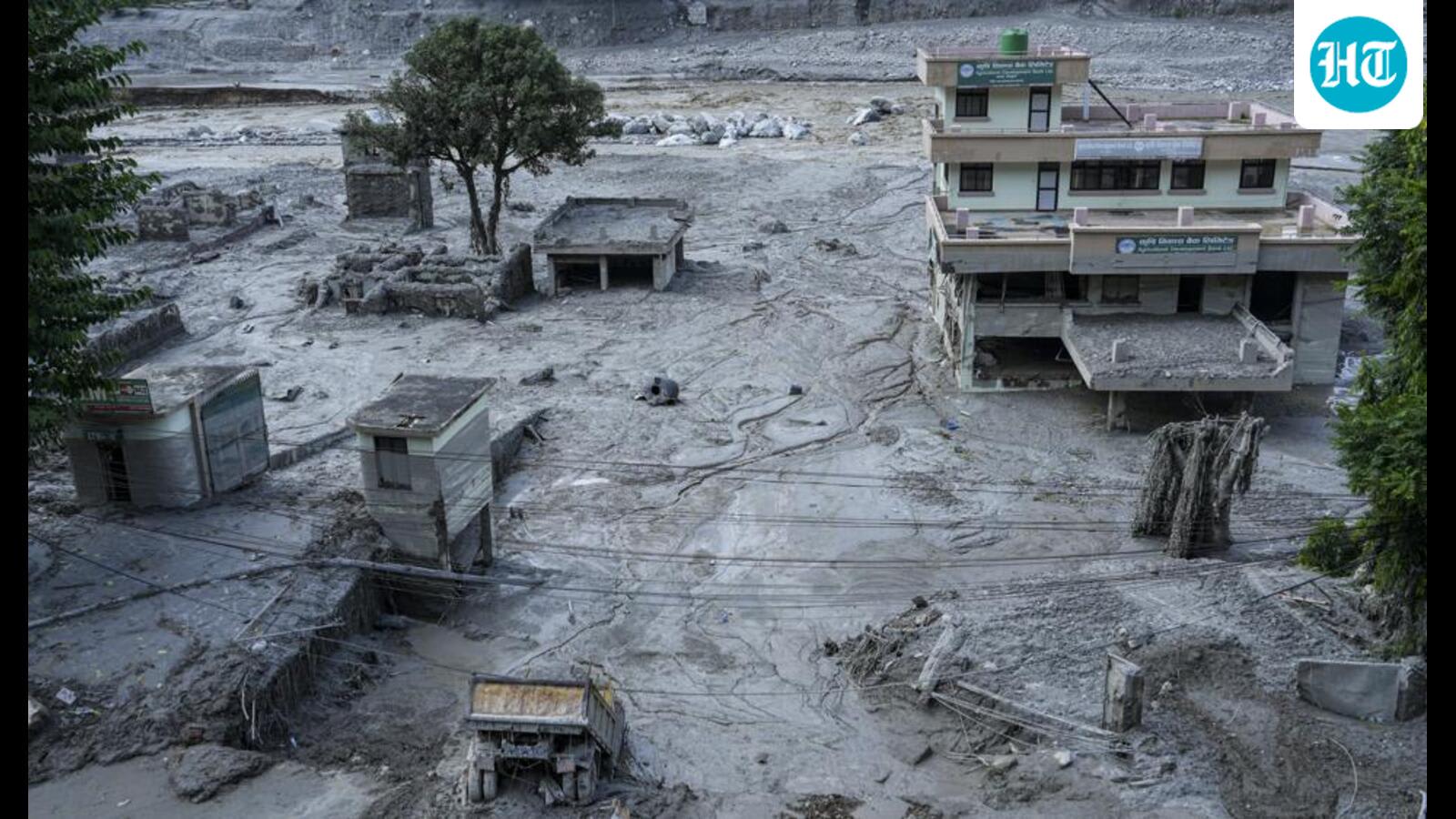
A massive flash flood triggered by a suspected ice-rock avalanche in Nepal has caused widespread destruction and prompted high-alert warnings in India. Rescue operations are underway as authorities track the potential for rising water levels in downstream rivers.
The Tragic Flash Floods in Nepal: A Geopolitical and Environmental Crisis
On Wednesday, August 26, 2026, a catastrophic flash flood tore through Nepal's Rasuwa district, sending a deluge of water, sediment, and massive boulders surging through the Bhote Koshi and Trishuli river systems. The event, which originated in high-altitude regions near the Nepal-Tibet border, has resulted in significant loss of life and left nearly 400 tourists—including 105 Indian nationals—missing. As rescue teams utilize heavy earthmovers to reach submerged homes in districts like Nuwakot, the scale of the humanitarian disaster continues to unfold.
The Science Behind the Surge: Ice-Rock Avalanches
Leading experts from the International Centre for Integrated Mountain Development (ICIMOD), in collaboration with institutions in Nepal and China, are currently investigating the mechanism behind this disaster. Initial assessments suggest that an ice-rock avalanche from a high-altitude area likely triggered the sudden, violent surge of water. In the Hindu Kush Himalaya (HKH) region, such events are becoming increasingly perilous as climate patterns shift. These avalanches can act as sudden dams or release massive volumes of stored ice and sediment, creating flash floods that move with immense force through narrow mountain valleys.
Downstream Implications: A Cross-Border Alert
The impact of this disaster is not contained within Nepal’s borders. The Trishuli River, which absorbed the brunt of the flood, is a major tributary that feeds into the Gandak river system. Consequently, authorities in the Indian states of Uttar Pradesh, Bihar, and Uttarakhand have been placed on high alert. There is a profound concern that the combination of heavy rainfall and the necessary opening of barrage gates in Nepal to manage the floodwaters will lead to dangerous rises in the Ghaghara, Rapti, and Kosi rivers, potentially threatening communities hundreds of kilometers downstream.
The Vulnerability of the Himalayan Region
Nepal’s geography makes it uniquely susceptible to such events. The constant tectonic movement of the Himalayas, combined with the presence of unstable glacial lakes and steep, high-altitude terrain, creates a volatile landscape. The Bhote Koshi, originating in Tibet, represents the interconnected nature of Himalayan water systems, where a geological event in one nation can have immediate, life-altering consequences for residents and infrastructure in another.
Future Trends and Mitigation Challenges
This disaster highlights the urgent need for transboundary water management and early warning systems. As the HKH region remains one of the most sensitive areas to environmental change, the frequency of such flash floods poses a recurring threat to the millions of people living in the river basins of the Indo-Gangetic plain. Moving forward, scientific cooperation between Nepal, China, and India—led by organizations like ICIMOD—will be essential to predicting these events and mitigating the loss of life caused by the unpredictable nature of the Himalayas.
Multiple Citing Sources
Verification Required?