US government says hackers are now exploiting critical PHP web bugs
Source Entity
Zack Whittaker
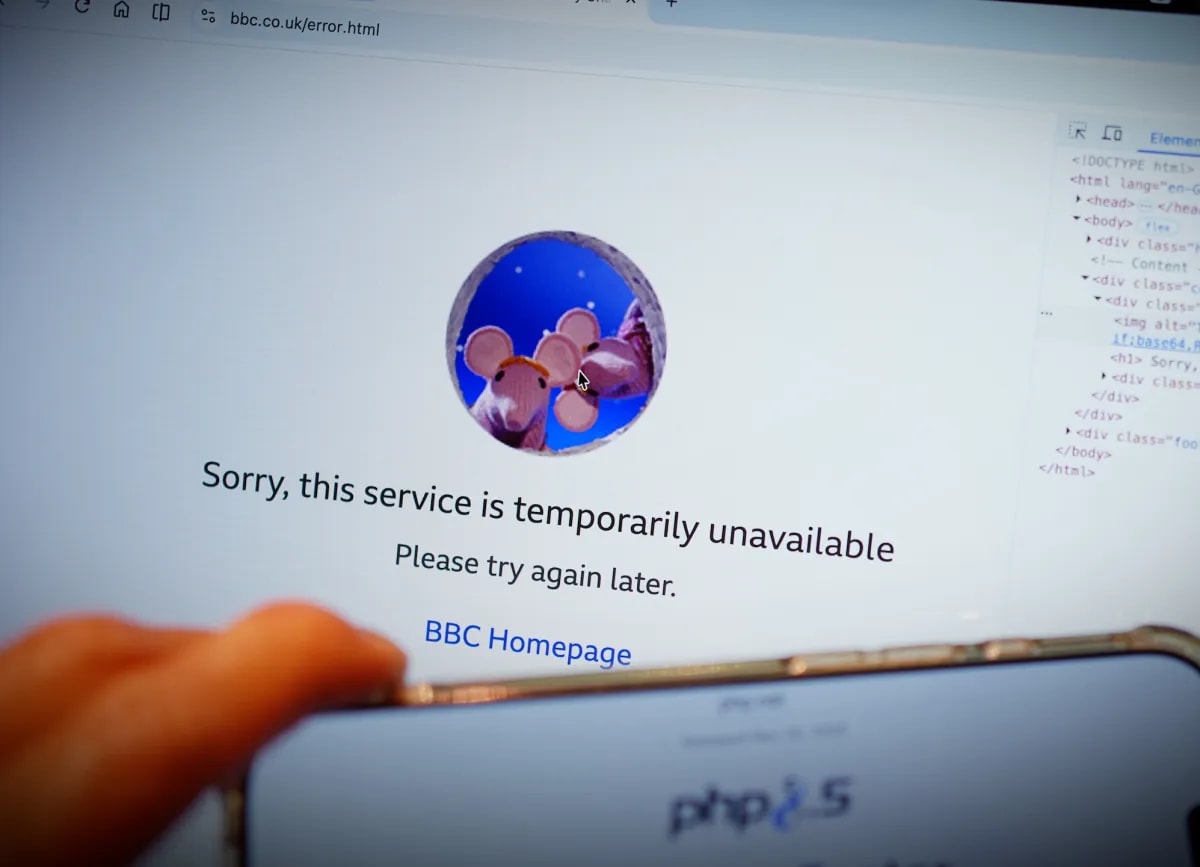
CISA has issued an emergency directive for federal agencies to patch critical PHP vulnerabilities within three days. These flaws allow remote, password-less unauthorized access to servers, impacting approximately 70% of the web.
Critical Vulnerabilities Threaten Global Web Infrastructure
The Cybersecurity and Infrastructure Security Agency (CISA) has issued an urgent directive following the discovery of two critical security vulnerabilities within the PHP programming language. These flaws represent a significant threat to global digital infrastructure, given that PHP powers an estimated 70% of web-facing servers. By allowing remote, unauthorized access without the necessity of credentials, these vulnerabilities bypass traditional security perimeters, effectively granting attackers a 'master key' to affected systems.
The Mechanics of the Threat
At the core of this issue is the ease with which these vulnerabilities can be exploited. Because these bugs permit remote code execution over the internet, they do not require an attacker to possess valid login credentials. This capability effectively negates standard password-based security protocols, forcing administrators to rely entirely on software-level patches. The speed at which threat actors have moved to weaponize these vulnerabilities underscores the high-stakes environment of contemporary cybersecurity, where the gap between vulnerability disclosure and active exploitation is rapidly shrinking.
Government Response and Timelines
CISA’s intervention, which mandates that civilian federal agencies implement patches within a strict three-day window, highlights the severity of the threat. This directive serves as both a protective measure for critical government systems and a signal to the broader private sector. The urgency is necessitated by the fact that the PHP language is deeply embedded in the architecture of modern web applications, meaning that a single unpatched server can serve as a beachhead for wider network penetration or data exfiltration.
Historical Context and Broader Implications
PHP has served as a foundational element of the internet for decades, enabling dynamic content delivery for millions of sites. However, its ubiquity is now its greatest liability. When a core component of the web’s software ecosystem is compromised, the downstream effects are immense. Major enterprises and government entities have been forced to take entire websites offline to mitigate risk, reflecting the extreme volatility these bugs introduce to business continuity and operational stability.
Future Trends in Software Security
This incident acts as a sobering reminder of the fragility of open-source ecosystems. As hackers become increasingly sophisticated in identifying and exploiting bugs in widely used programming languages, the industry must move toward more proactive security models. Future trends will likely involve mandatory, automated patching schedules and a shift toward 'security by design' principles for legacy frameworks like PHP to prevent similar systemic shocks in the future.
Conclusion
The current PHP vulnerability crisis serves as a critical test for cybersecurity resilience across the public and private sectors. With 70% of the web at stake, the rapid deployment of patches is the only viable defense against unauthorized remote access. Organizations that fail to adhere to these security mandates face significant risks of data breaches, highlighting the ongoing necessity for vigilance in maintaining foundational web technologies.