Ford Fathom will be the cheapest American EV capable of powering a house
Source Entity
Tim De Chant
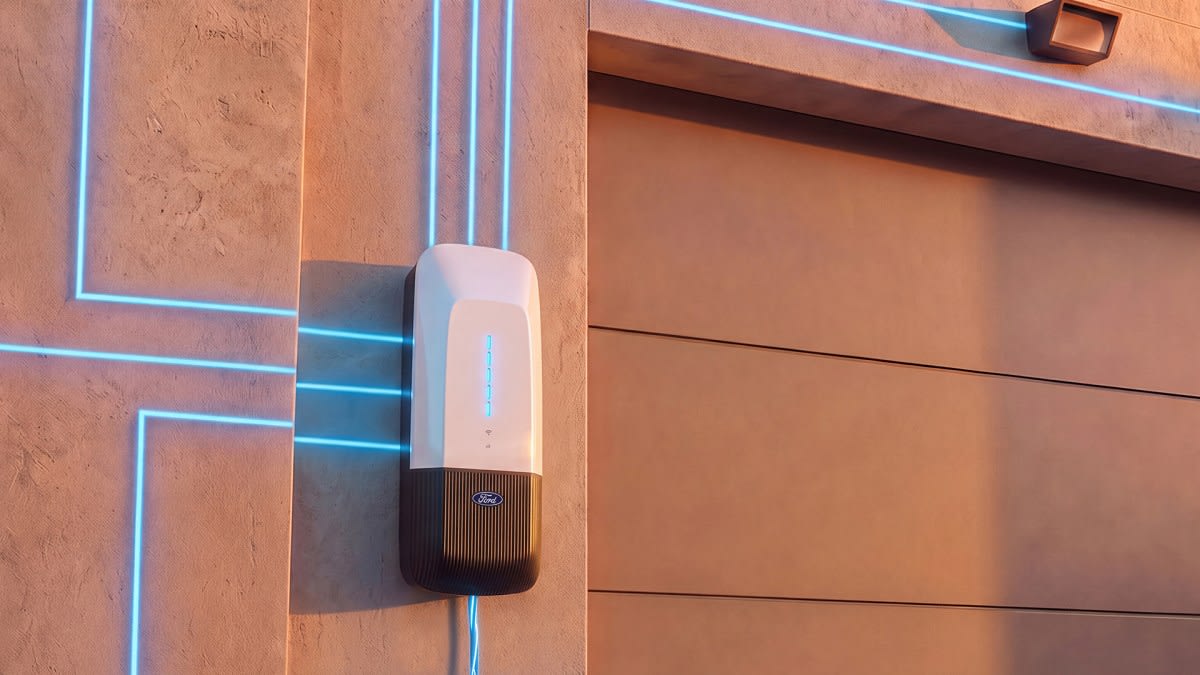
Ford has announced the upcoming Fathom electric pickup, priced under $30,000, which features advanced bidirectional charging capabilities. This technology allows the truck to serve as a home power source, potentially replacing small standby generators during outages.
The Ford Fathom: Revolutionizing Home Energy Integration
Ford has officially signaled a transformative shift in the electric vehicle (EV) market with the upcoming release of the Fathom, an electric pickup truck positioned at the highly competitive price point of $28,350. By integrating advanced bidirectional charging technology, Ford is not merely launching a vehicle; it is introducing a mobile energy storage solution capable of powering a home during grid outages. This strategic move aims to democratize access to V2x (vehicle-to-everything) technology, which has historically been restricted to high-end luxury EVs.
Breaking the Price Barrier for V2x Technology
One of the most significant barriers to the widespread adoption of home-to-vehicle energy systems has been the exorbitant cost of specialized hardware. Ford’s announcement regarding two new, lower-cost chargers—priced at approximately half the cost of existing alternatives—represents a critical step forward. By reducing the financial burden on consumers, Ford is effectively lowering the barrier to entry for households looking to leverage their vehicle as a functional component of their home’s electrical infrastructure.
Technical Capabilities and Real-World Utility
At the core of the Fathom’s utility is its ability to deliver over 10 kW of power to a residence. While this output may not sustain an entire modern household's energy demand during a total blackout, it is functionally equivalent to a robust standby generator. The capacity to keep essential appliances—such as refrigerators and air conditioning units—operational for up to half a day provides a tangible value proposition that resonates with consumers living in regions prone to extreme weather and grid instability.
Strategic Positioning in the EV Landscape
Ford is positioning the Fathom as a simplified, next-generation solution for bidirectional charging. By integrating the home backup inverter directly into the vehicle architecture, Ford is addressing the complexity that has plagued early V2H and V2L implementations. This design philosophy suggests a focus on user experience and seamless energy transition, which is essential if EVs are to be viewed as more than just transportation, but as essential household assets.
Future Trends and Market Implications
As the industry trends toward decentralized energy grids, the introduction of affordable bidirectional EVs like the Fathom could fundamentally alter the relationship between homeowners and utility providers. If successful, this model could set a new industry standard where the vehicle acts as a buffer for the electrical grid. As more manufacturers follow Ford’s lead, we can expect to see a rapid evolution in how residential energy storage is managed, moving away from static wall-mounted batteries toward dynamic, mobile energy solutions that provide both mobility and security.