‘Silencing peaceful protests signals authoritarianism’: Ambedkar’s grandson on CJP protest crackdown
Source Entity
Shubhangi Khapre
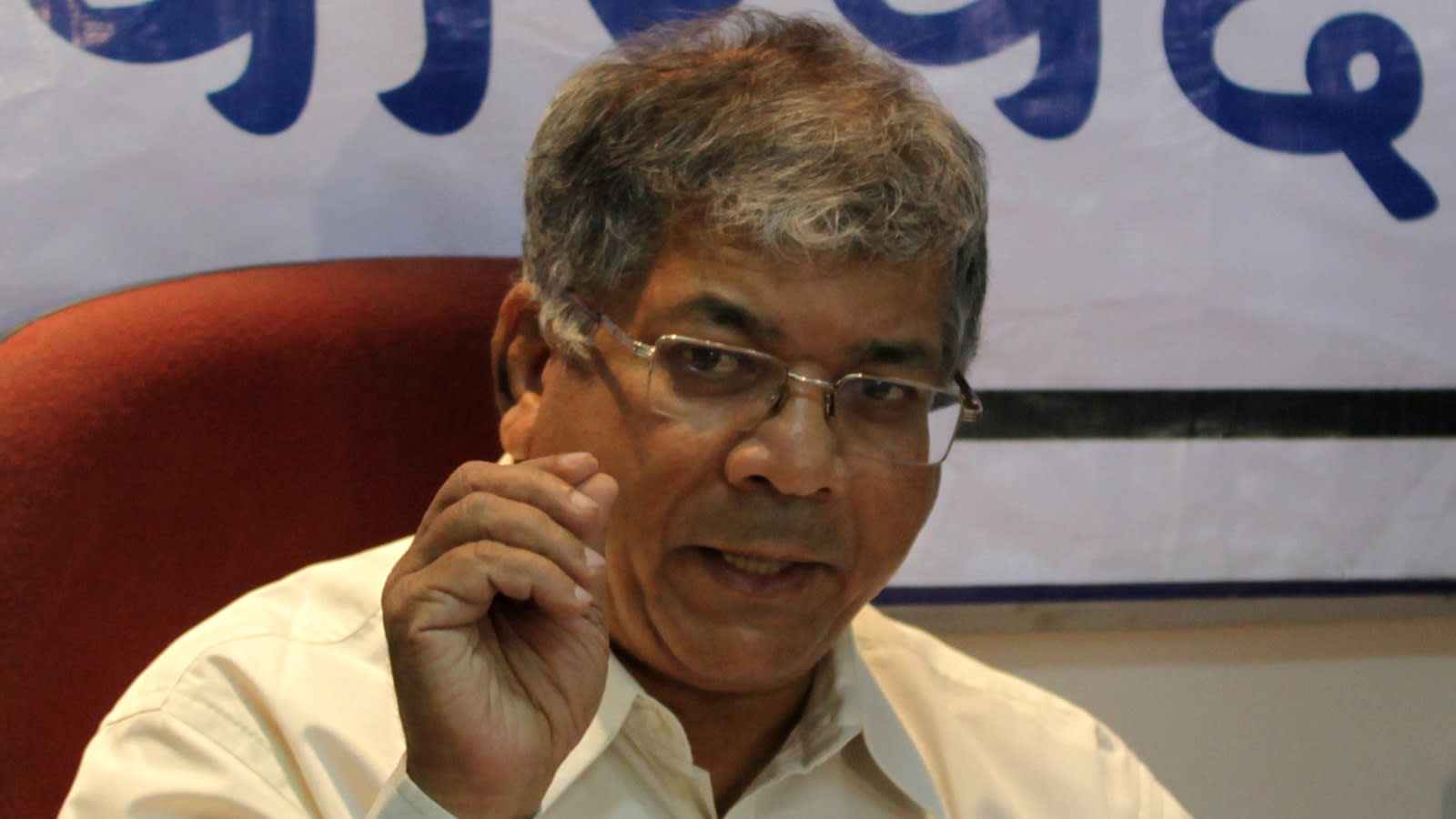
A CJP-led protest march in Delhi demanding the Education Minister's resignation turned violent, resulting in widespread injuries to both protesters and police. The demonstration, which saw Sonam Wangchuk hospitalized, highlights escalating tensions between civil society groups and state authorities.
Tensions Erupt in the Capital: The CJP Parliament March
The recent protest march organized by the CJP (Civil Society/Protest Group) in the heart of Delhi has culminated in a significant confrontation between demonstrators and state security apparatus. The event, aimed at demanding the resignation of Education Minister Dharmendra Pradhan, saw thousands converge on Parliament Street, leading to a volatile afternoon characterized by teargas, lathi-charges, and physical scuffles. The chaotic scenes, which forced protesters to seek refuge in the sacred precincts of Gurdwara Bangla Sahib, underscore the high stakes of current political dissent in India.
The Anatomy of the Conflict
According to official statements from the Delhi Police, the situation deteriorated rapidly as protesters allegedly breached barricades and engaged in large-scale violence. The police report that over 118 personnel, including senior officers, sustained injuries due to the use of stones and other projectiles by the crowd. Conversely, demonstrators have reported being on the receiving end of aggressive police tactics, leading to injuries among civilians and the hospitalization of prominent activist Sonam Wangchuk. The stark divergence in narratives—the police citing law and order violations versus protesters citing the suppression of democratic rights—reflects the deepening polarization surrounding these public demonstrations.
Humanitarian Impact and Public Safety
Beyond the political demands, the human cost of the march has become a focal point of public concern. Reports of mothers witnessing their children injured during the chaos and the necessity for protesters to use damp handkerchiefs to mitigate the effects of teargas paint a harrowing picture of the afternoon. The use of an iconic religious site as a temporary sanctuary highlights the desperation felt by those caught in the crossfire. As the situation remains fluid, the emotional toll on the families involved brings into question the management of mass protests in densely populated urban centers.
The Role of Leadership and Institutional Response
At the center of this controversy is the demand for the resignation of Education Minister Dharmendra Pradhan, a move that suggests deep-seated grievances within the education sector or broader administrative frustrations. The subsequent detention of 70 protesters and the police-led transfer of Sonam Wangchuk to Safdarjung Hospital indicate a firm stance by the administration to quell the unrest. This event serves as a critical case study in how the state manages dissent and how political movements utilize high-profile figures to amplify their reach.
Broader Implications and Future Trends
Looking ahead, this incident is likely to influence the discourse on civil liberties and the right to peaceful assembly in Delhi. The large-scale damage to public property and the injuries sustained by security personnel will likely trigger more stringent policing measures in future protests, potentially creating a cycle of escalation. As civil society groups continue to mobilize around specific policy demands, the challenge for both organizers and law enforcement will be to maintain safety without infringing upon the fundamental right to protest. The outcome of this specific confrontation will undoubtedly serve as a bellwether for political engagement in the capital in the coming months.
Multiple Citing Sources