As activists try to return to Jantar Mantar, around 150 detained amid heavy security
Source Entity
The Indian Express
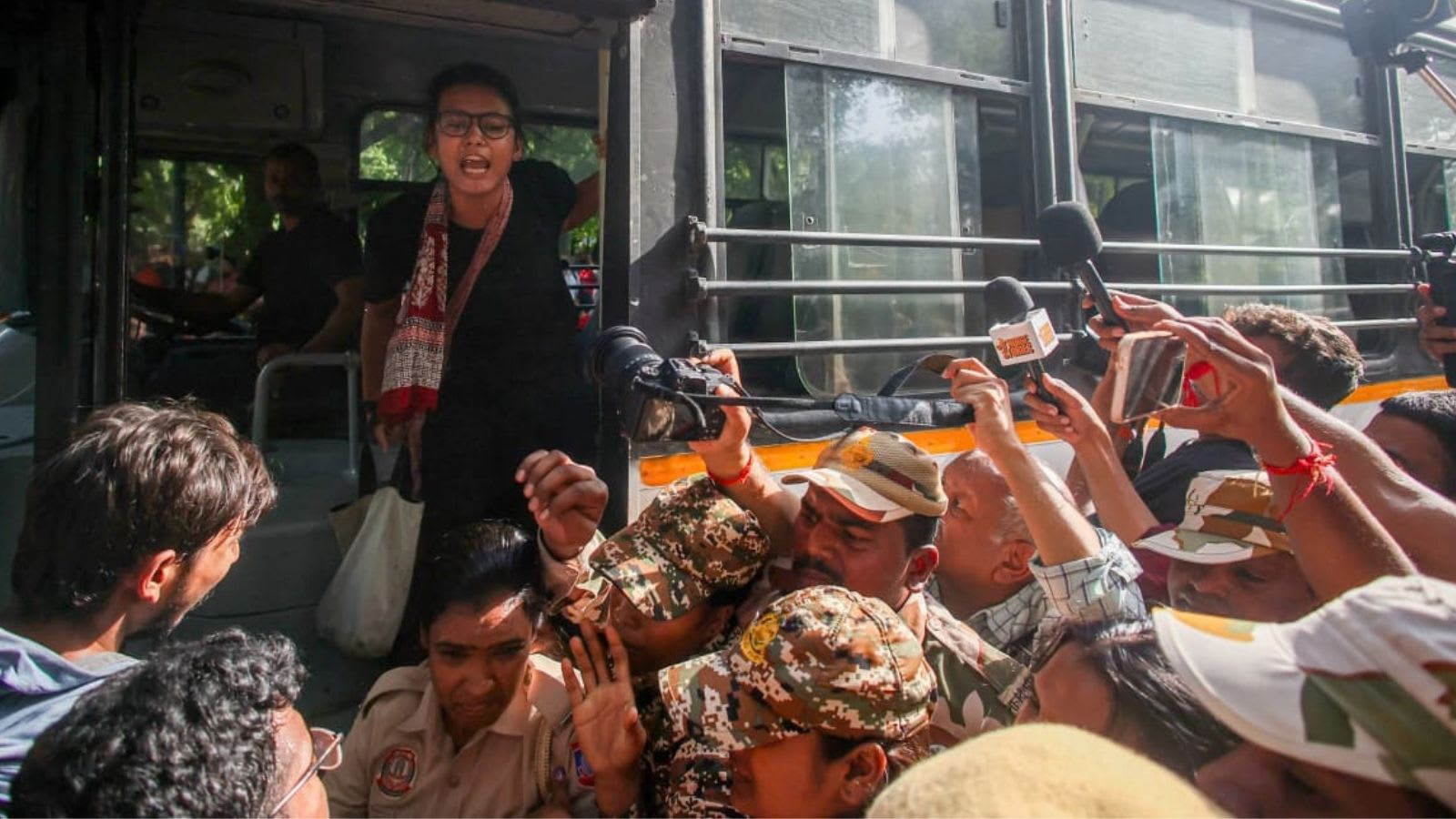
The Cockroach Janta Party (CJP), led by founder Abhijeet Dipke, has launched a nationwide protest demanding the resignation of CEC Gyanesh Kumar. The movement alleges irregularities in 2025 electoral roll deletions and calls for systemic reforms in Election Commission appointments.
The Cockroach Janta Party Launches Nationwide Agitation Over Electoral Integrity
On October 1, 2026, the Cockroach Janta Party (CJP), led by founder Abhijeet Dipke, announced a significant nationwide protest movement. The agitation, which is set to commence on October 2 (Gandhi Jayanti) at Mumbai’s Shivaji Park, is a direct response to alleged irregularities within the Election Commission of India. Specifically, the party is targeting Chief Election Commissioner (CEC) Gyanesh Kumar, demanding his immediate resignation and the initiation of criminal proceedings against him.
The Trigger: Internal Rifts and Electoral Deletions
The genesis of this protest lies in an investigation that reportedly exposed an internal rift within the poll body regarding Special Intensive Revision (SIR) voter deletions. The CJP alleges that these deletions have disenfranchised a significant number of voters, leading to widespread public grievances. Abhijeet Dipke, speaking at the Mumbai Press Club, characterized the CEC as a figure who has compromised the neutrality of the Election Commission, even going so far as to label him a "traitor" to the constitutional mandate of his office.
Core Demands and Structural Reform
The CJP’s platform for this "Jail Bharo Andolan" is built upon three primary demands. First, the party insists on the resignation of Gyanesh Kumar. Second, they are calling for an immediate freeze on the electoral rolls prepared in 2025, demanding that future elections be conducted based on these specific rolls to prevent further alleged manipulation. Finally, the party is advocating for a fundamental change in how the Election Commission is governed, specifically calling for a transparent and independent appointment process that includes participation from civil society, rather than the current executive-led model.
Escalation and Geographic Scope
What began as a localized concern in Mumbai has quickly escalated into a national campaign. Following the October 2 protest at Shivaji Park, the CJP plans to expand its activities to Goa, Bengaluru, Kolkata, and several other major cities. This strategic expansion is designed to build momentum, culminating in a final, high-profile sit-in at Jantar Mantar in New Delhi by the end of October. By moving the protest to the national capital, the CJP aims to force a larger dialogue on the accountability of the Election Commission.
Political Implications and Future Trends
The political rhetoric surrounding this movement is highly charged, with Dipke openly challenging government leadership. The CJP has framed the protest not just as a demand for administrative change, but as a direct confrontation with the current political establishment, alleging that the CEC has been instrumental in securing electoral victories for the ruling party. This movement highlights a growing trend of civil society organizations utilizing street-level agitation to challenge the perceived erosion of institutional independence in India’s democratic processes.
Conclusion: Assessing the Impact
The effectiveness of the CJP’s movement will likely depend on its ability to mobilize citizens affected by the disputed voter deletions. As the protests move toward New Delhi, the government will face increasing pressure to address concerns regarding the transparency of electoral rolls and the integrity of the Election Commission. Whether these protests lead to tangible policy shifts or remain a symbolic gesture of dissent, they underscore a critical juncture in the ongoing debate over the health of India's democratic institutions.
Multiple Citing Sources