CM Vijay virtually inaugurates completed projects across Tamil Nadu
Source Entity
India Latest News: Top National Headlines Today & Breaking News | The Hindu
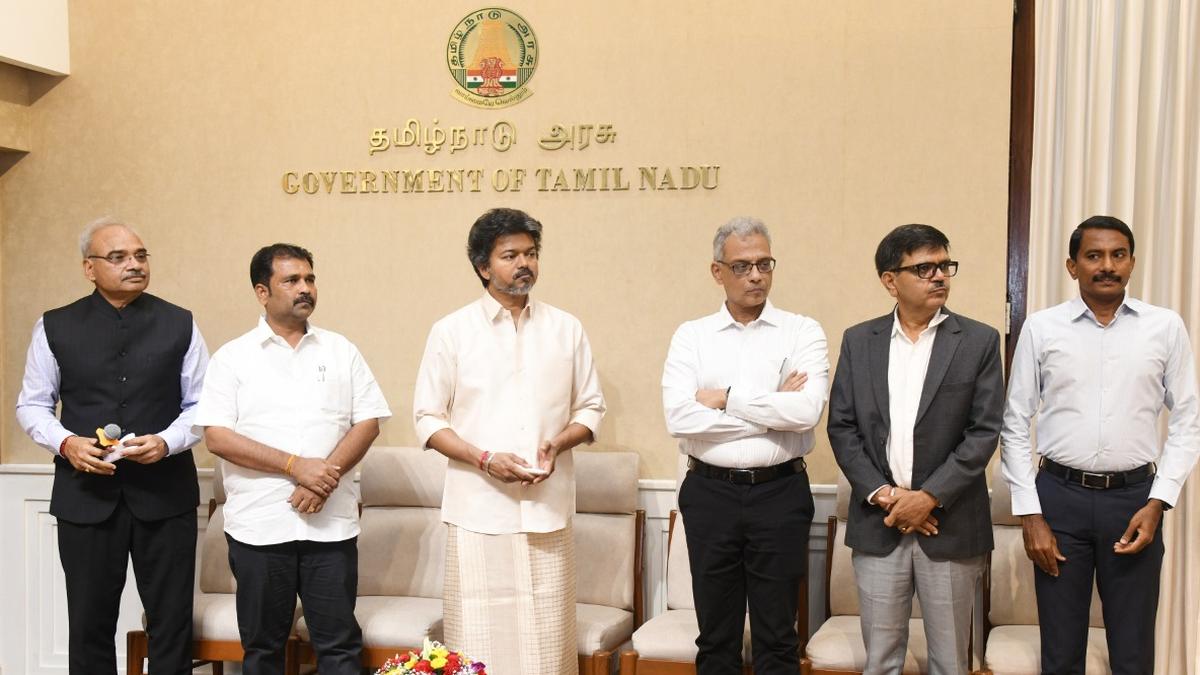
Tamil Nadu Chief Minister C. Joseph Vijay has inaugurated multiple housing projects across the state and launched a new financial incentive for sugarcane farmers. These initiatives represent a significant investment in both urban infrastructure and agricultural welfare.
Infrastructure and Agricultural Development in Tamil Nadu
Tamil Nadu Chief Minister C. Joseph Vijay has taken a significant step toward addressing the state's housing needs and agricultural support systems. By inaugurating a series of development projects via video conference from the Secretariat in Chennai, the administration has demonstrated a commitment to streamlining urban development and providing direct financial relief to the farming community.
Expanding Urban Housing Infrastructure
The most prominent feature of this announcement is the delivery of substantial housing infrastructure. The inauguration of 643 tenements and commercial complexes in Chennai, developed by the Tamil Nadu Housing Board at a cost of ₹1,003.97 crore, reflects a strategic effort to improve urban living conditions. Additionally, the unveiling of 125 tenements by the Tamil Nadu Urban Habitat Development Board in the Karur district, costing ₹17.56 crore, highlights the government's intention to distribute development gains beyond the state capital, ensuring that smaller districts also benefit from state-led urban planning.
Strengthening the Agricultural Sector
Beyond construction, the Chief Minister addressed the concerns of the agricultural sector by launching a special incentive of ₹709.5 per tonne for sugarcane farmers. This policy, introduced under Rule 110 of the Tamil Nadu Legislative Assembly, is designed to provide economic stability to those engaged in sugarcane cultivation. By allocating ₹603.33 crore to support approximately 85,000 farmers, the state government is attempting to mitigate the financial pressures faced by the agricultural workforce, which remains a vital component of the regional economy.
Implications of Governance and Policy
These initiatives indicate a dual-track approach to governance: modernizing physical infrastructure to support urbanization while simultaneously providing social security to the rural economy. The use of virtual inauguration ceremonies suggests a move toward administrative efficiency, allowing for the rapid deployment and recognition of state projects without the logistical constraints of physical travel. This approach also allows for faster project handovers, ensuring that beneficiaries in both housing and farming sectors receive support without unnecessary delays.
Future Outlook and Economic Impact
The long-term success of these projects will likely depend on the maintenance of the newly constructed housing units and the consistent implementation of the sugarcane incentive scheme. By investing over ₹1,600 crore in these combined efforts, the government is signaling a fiscal prioritization of essential social services. Moving forward, the effectiveness of these investments in improving the quality of life for urban residents and the financial resilience of sugarcane farmers will serve as a key metric for evaluating the administration's current development policies.
Verification Required?