Did Iran War Cause His Party's Midterms Defeat? "Largely True," Says Trump
Source Entity
NDTV News Search Records Found 1000
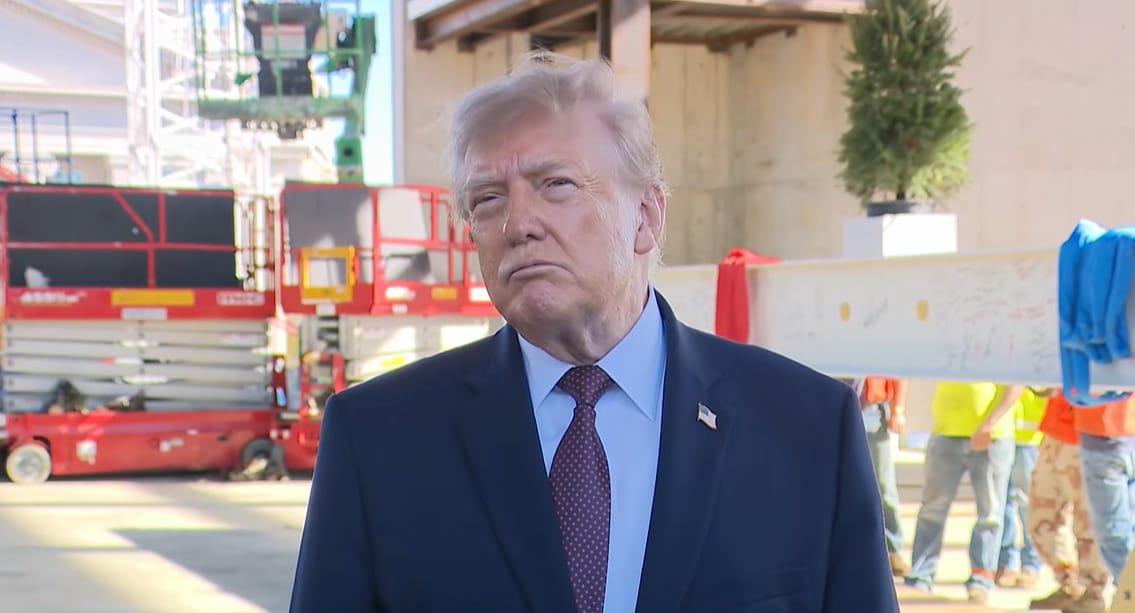
Donald Trump has claimed that the prospect of war with Iran significantly contributed to his party's midterm election losses. This assertion was made while he was touring the construction of a new White House ballroom.
The Iran Factor in Midterm Electoral Outcomes
Former President Donald Trump recently articulated a perspective that the geopolitical tension surrounding Iran served as a pivotal factor in the electoral performance of his party during the midterm elections. By labeling the suggestion that an Iran-related conflict influenced these results as "largely true," Trump has reignited discussions regarding how foreign policy crises and the threat of military engagement directly impact domestic political stability and voter behavior.
Historical Context of Foreign Policy and Midterms
Historically, midterm elections are often viewed as a referendum on the sitting president's administration. When external threats, such as potential military confrontations with regional powers like Iran, dominate the news cycle, the electorate often shifts its focus toward national security. Trump’s assessment suggests that the anxiety generated by these foreign policy challenges created a political headwind that his party found difficult to overcome, potentially distracting from his domestic legislative agenda.
The Intersection of Rhetoric and Public Perception
The relationship between a president's foreign policy rhetoric and his party's electoral success is complex. During his tenure, the "maximum pressure" campaign against Iran was a cornerstone of Trump’s administration. By acknowledging the impact of these tensions on midterm results, Trump is essentially arguing that the high-stakes nature of his foreign policy created a polarization that may have mobilized opposition or caused moderate voters to seek a change in congressional leadership.
Analyzing the Venue: A Symbolic Backdrop
It is notable that these comments were delivered while Trump was touring the construction of a new ballroom at the White House. This setting underscores the blend of personal legacy-building and political discourse that characterized his presidency. The contrast between the physical expansion of the White House and the political contraction his party faced during the midterms offers a unique lens through which to view his administration's priorities.
Broader Implications for Future Election Cycles
This admission highlights a critical lesson for future political strategies: voters are deeply sensitive to the domestic costs of international brinkmanship. If a party is perceived as being on the precipice of war, it can alter the cost-benefit analysis for the average voter, who may prioritize stability over ideological foreign policy goals. This trend suggests that future candidates must balance assertive international posturing with the need to maintain a domestic narrative that reassures the electorate.
Conclusion
In summary, Donald Trump’s reflection on the midterm elections serves as an important case study in how foreign policy crises can ripple into domestic electoral outcomes. By linking the threat of conflict with Iran to his party’s legislative setbacks, he highlights the inherent volatility of geopolitical strategy and its lasting influence on American political life.
Verification Required?