Public spaces and democratic citizenship
Source Entity
India Latest News: Top National Headlines Today & Breaking News | The Hindu
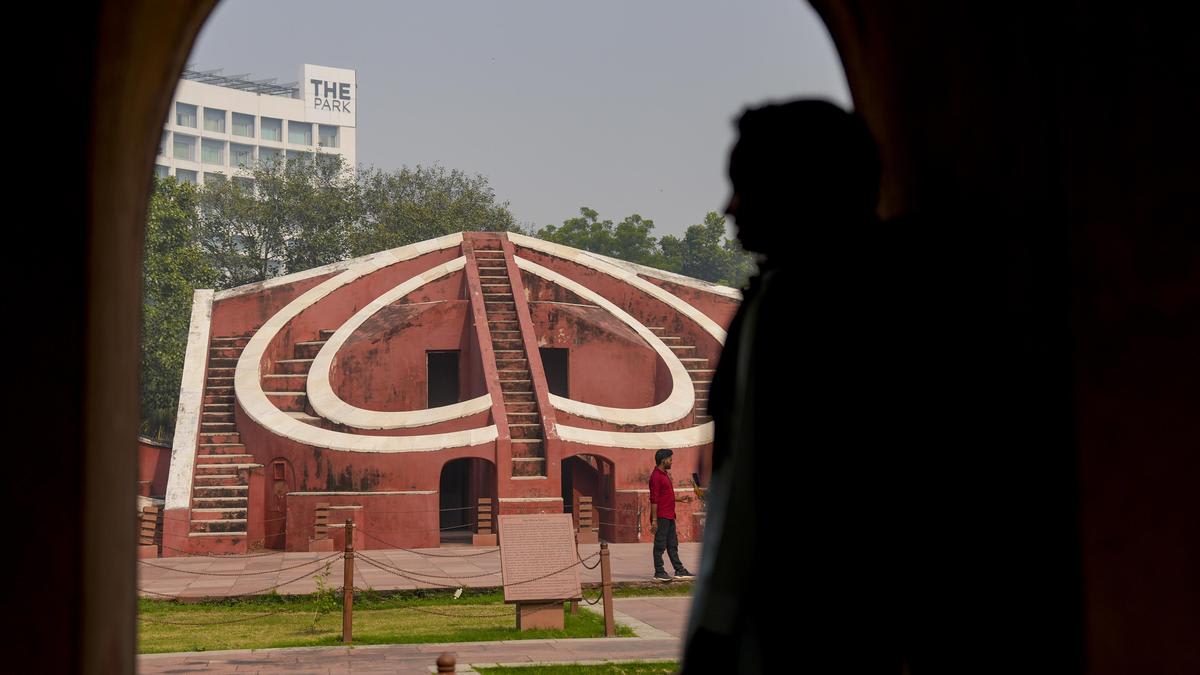
Recent restrictions on public protests at sites like Jantar Mantar threaten the historic role of urban spaces in fostering democratic citizenship. These limitations disrupt a long-standing tradition of using public arenas as essential theaters for civic contestation and political expression.
The Erosion of Civic Arenas in Modern Democracy
Recent restrictions on protesters at sites like Jantar Mantar have sparked a critical debate regarding the health of democratic citizenship in India. These limitations on public assembly are not merely logistical concerns; they strike at the heart of the historical relationship between urban physical spaces and the ability of citizens to engage in collective action. By cordoning off traditional sites of dissent, authorities are effectively narrowing the 'theatre of contestation' that has historically defined Indian political life.
Historical Precedents of Public Mobilization
To understand the gravity of these restrictions, one must look back at the foundational moments of Indian resistance. From the mill workers’ general strikes of 1919-20 to the 1930 Gandhian civil disobedience movement and Dr. B.R. Ambedkar’s 1938 anti-khoti system rally, public spaces were vital. These movements did more than just protest; they transformed alien, colonial-controlled urban environments into platforms for claim-making, forcing the colonial state to acknowledge the presence and demands of the populace.
The Rituals of Resistance
Following World War I, the nature of Indian protest evolved through new rituals of collective resistance, including processions, flag hoisting, and organized hartals. These activities were not confined to private corridors but were purposefully staged in parks, seashores, maidans, and streets. By occupying iconic colonial spaces, these movements symbolically reclaimed the city, turning landmarks of power into sites of democratic assertion. This historical context illustrates that the 'publicness' of these spaces is inherently tied to their function as tools for political agency.
Implications of Modern Restrictions
When modern authorities limit access to these arenas, they disrupt this continuity of democratic practice. The restriction of protesters at Jantar Mantar represents a move toward sanitizing public discourse, effectively pushing dissent away from the gaze of the state and the public. This shift risks transforming urban spaces from active centers of civic engagement into passive, controlled environments, thereby undermining the very essence of democratic citizenship which relies on visibility and public participation.
Future Trends and the Need for Civic Space
Looking ahead, the tension between state security protocols and the right to assemble will likely intensify. As urban development prioritizes order and commerce, the survival of 'democratic' space will depend on the recognition that these areas are not just infrastructure, but essential components of a functioning republic. If the trend of restricting public assembly continues, we may see a further alienation of the citizenry from the state, potentially leading to less transparent and more volatile forms of protest.
Conclusion
The historical legacy of India’s anti-colonial movements highlights that public spaces are the lifeblood of political participation. Protecting these arenas is not just a matter of civil liberty; it is a necessity for maintaining a vibrant and responsive democracy. Policy decisions that limit access to traditional protest sites must be weighed against the long-term cost of stifling the democratic spirit that has defined India’s urban landscape for over a century.
Verification Required?